+0086 135 6738 5757
/yitaifabrics/2021/11/16/kf149摇粒绒.jpg

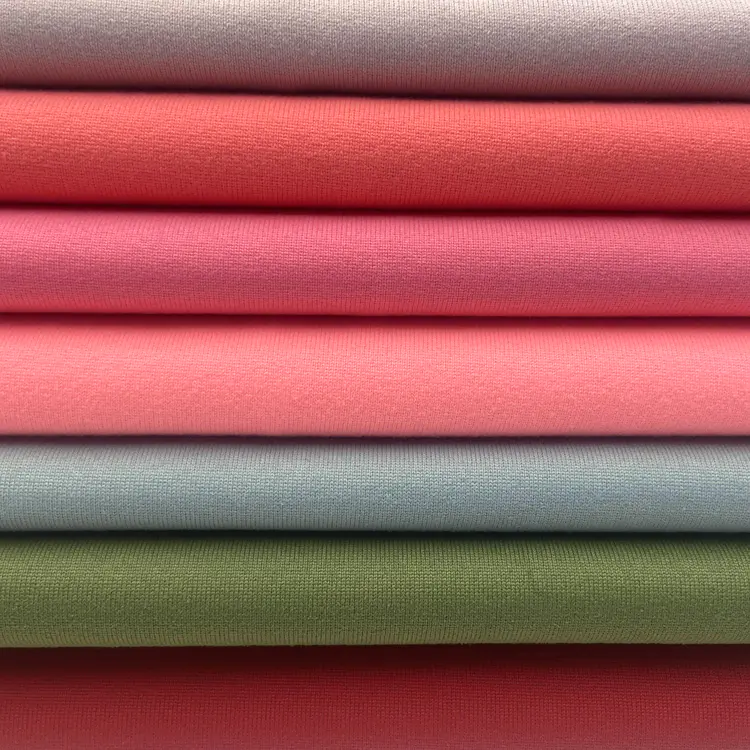
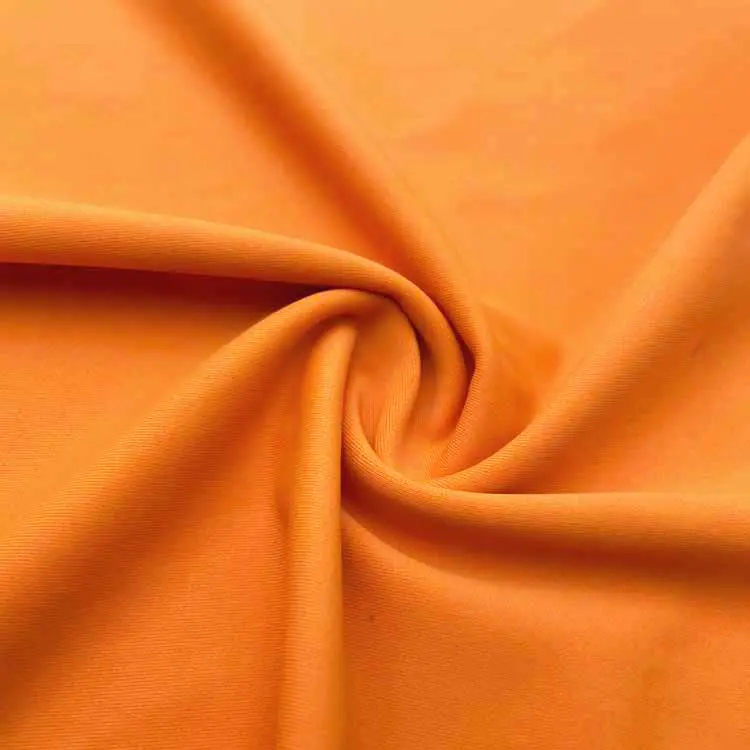
31% COTTON 66% POLYESTER 3% SPANDEX WEIGHT:400GSM WIDTH:185CM POLAR FLEECE SINGLE JERESEY FABRIC

KF000149

If you want to be cool, this high quality fabric is good for you.  The cotton spandex is a durable 4-way stretch fabric with no fading, high color fastness, and smooth texture.


- APPLICATION
  • Activewear
  • Casual wear


- COMPOSITION


31%
COTTON
66%
POLYESTER
3%
SPANDEX

WEIGHT
400 GSM
WIDTH
185 CM


FUNCTIONALITY


Anti-Microbial


Anti-Odor


UV Production


Anti-Yellowing


Eco Friendly


High Stretch


Softness


Abrasion Resistance


Cooling Refresh


Wicking


Stretch & Recovery


Customized


UMORFIL


Mechanical Wicking


One Side Wicking One Side Repellent


Body Circulation Boost


Air Permeability


Anti-pilling


Anti-Stain


Thermoregulation


SPECIAL FINISH


Brushed


Peached


Foil


Embossed


Wicking


Antibacterial


Anti-odor


Compression


UPF


Quick Drying
HEAVYWEIGHT FLEECE · BRUSHED BACK
POLAR FLEECE SINGLE JERSEY FABRIC
31% Cotton  ·  66% Polyester  ·  3% Spandex  ·  400 GSM  ·  185 CM
PRODUCT BRIEF

The Polar Fleece Single Jersey Fabric is a heavyweight brushed-back knit produced on a single jersey base and finished with an insulating fleece nap on the reverse. The blend of 31% Cotton, 66% Polyester, and 3% Spandex reaches a 400 GSM weight, placing this fabric in the outerwear and cold-weather category. The cotton fraction softens the fleece back against the skin, the polyester majority provides loft retention and wash durability, and the small spandex addition keeps the knit from stretching out at cuffs and hems. At 185 CM cut width, the fabric supports wide-panel cutting for jackets, hoodies, and outerwear bodies with efficient marker nesting and reduced seam count in large garments.

31%
Cotton
66%
Polyester
3%
Spandex
400
GSM
185
CM
TRADE RATIONALE
Brushed Reverse for Insulation The fleece nap traps a layer of still air against the body, providing warmth without requiring a lining or additional interlining in finished garments. This supports simpler construction in hoodies and jackets.
Cotton Face for Wearability The cotton component gives the fleece back a softer contact surface than fully synthetic fleece, reducing the static and roughness that can make low-cost polar fleece uncomfortable against skin.
Polyester Majority for Durability At 66% polyester, the fabric resists matting and loft collapse after repeated laundering. This extends the usable life of cold-weather garments compared with cotton-dominant fleece blends.
Wide Width for Large Panels The 185 CM width allows full-width cutting for jacket backs, hoodie bodies, and outerwear sleeves. This reduces seam count and remnant loss in large garment programs.
TECHNICAL RECORD
31% Cotton / 66% Polyester / 3% Spandex
400 GSM
185 CM
Single jersey with brushed fleece reverse
Smooth face, napped back
Moderate, spandex assisted
Cold-weather outerwear and sweatshirts
BEHAVIOR PROFILE
Thermal Retention
The brushed back provides an insulating air layer. Suitable for transitional and cold-season garments where warmth without bulk is required.
Breathability
Heavy fleece limits airflow compared with light jersey. Garments should be designed with ventilation openings if used in active contexts.
Fabric Mass
At 400 GSM the fabric carries substantial weight. Pattern planning should account for garment mass in hanging and packing specifications.
Pilling Tendency
Brushed fleece surfaces can pill at abrasion points. Anti-pilling finishing at the mill is recommended for retail programs with extended wear expectations.
Shrinkage
Cotton content introduces measurable first-wash shrinkage. Pre-shrinking or cutting allowance is advisable for programs with tight finished dimensions.
Drying Time
The heavy fleece structure retains moisture longer than light jersey. Extended drying time should be reflected in care labeling for retail goods.
PROGRAM FIT
Hoodies and Sweatshirts
Pullover and zip-front hoodies where 400 GSM fleece supports structure and warmth without a lining.
Outerwear Bodies
Jacket shells, vests, and mid-layer garments requiring insulation and dimensional stability.
Cold-Weather Bottoms
Fleece joggers and lined pants where brushed back supports warmth and skin comfort.
Uniform and Workwear
Corporate and industrial cold-weather garments where durable fleece construction is required.
CUT AND SEW GUIDANCE
Needle Ballpoint 80/12 to 90/14. Heavy fleece requires a larger ball point to penetrate the nap without breaking filaments along the seam.
Stitch Four-thread overlock for seams, cover stitch for hems. Increase stitch length slightly to accommodate fabric mass.
Relaxation Allow 24 to 48 hours of open relaxation. Heavy brushed fleece releases internal tension slowly after unrolling.
Cutting Use a rotary cutter with a sharp blade. The brushed back can catch on dull blades and create uneven cut edges.
Pressing Steam from distance; avoid pressing the brushed back flat. Compressed fleece nap does not recover and leaves permanent flattened areas.
Washing Cold wash, mild detergent, no chlorine bleach. Fleece benefits from reduced agitation to preserve nap structure.
BUYER QUESTIONS
Does the fleece back lose loft after washing?
Loft retention depends on fiber blend and mill finishing. The 66% polyester majority supports loft recovery better than cotton-dominant fleece. Repeated high-heat drying accelerates loft collapse, so low-heat or air drying is recommended for retail programs.
What shrinkage should be planned for this fleece?
The 31% cotton content produces measurable first-wash shrinkage, typically more in length than width. Cutting allowance or pre-shrinking at the mill is recommended. Confirm against your internal wash standard during sampling.
Is 400 GSM too heavy for standard sewing equipment?
Standard industrial overlock and cover stitch machines handle 400 GSM fleece with appropriate needle and thread settings. Domestic machines may struggle with seam thickness at folded edges. Production planning should confirm machine capability for the heaviest seam intersections.
Can this fabric be used for high-activity sportswear?
Heavy polar fleece is not a performance moisture-management fabric. It suits warmth-focused garments and low-activity contexts. For high-output sportswear, lighter fleece or grid fleece with ventilation structures would be more appropriate.
Does the 3% spandex make a meaningful difference?
Three percent elastane is a stabilizing addition rather than a stretch feature. It supports recovery at cuffs, hems, and waistbands and helps prevent the fleece from growing out of shape in extended wear. It does not convert the fabric into a compression knit.
STORAGE CONDITIONS
15 to 25°C
45 to 60% RH
Horizontal rolls
No direct daylight
Stack 1.0 m max
Ventilated storage
POLAR FLEECE SINGLE JERSEY · COTTON POLYESTER BLEND · 400 GSM · 185 CM · B2B SUPPLY

Feature Products

About Us

Haining Yitai Knitting Co., Ltd.

Founded in 2004, Haining Yitai Knitting Co., Ltd has grown into one of the high-quality performance China 31% COTTON 66% POLYESTER 3% SPANDEX WEIGHT:400GSM WIDTH:185CM POLAR FLEECE SINGLE JERESEY FABRIC Suppliers. We are dedicated to developing and manufacturing knitting fabric from the very beginning. After 15 years of development, we have built an excellent R&D group, marketing team, quality control system, experienced dyeing & finishing supporting facility and customer service system. To meet customer's requirements with better service, we are improving and growing up all the time. Yitai Knitting play an important role as Wholesale 31% COTTON 66% POLYESTER 3% SPANDEX WEIGHT:400GSM WIDTH:185CM POLAR FLEECE SINGLE JERESEY FABRIC Exporters. These fabric has been export worldwide.

Our Culture

+ Mission

Make the sportswear fabric better

+ Vision

To be the better sportswear fabric manufacturer in China

Message

Fields marked with an asterisk are required.