Article Directory
More than 60% of the garments hanging on a retail rack today contain polyester knit fabric, and the number keeps rising because this synthetic material adapts to almost every fashion category without straining production budgets. The interlocking loop construction provides natural stretch, while the PET fiber delivers strong color retention, quick-drying performance, and wrinkle resistance. At Haining Yitai Knitting Co., Ltd, established in the Haining knitting hub of Zhejiang in 2004, the same polyester knit technology that powers performance sportswear also shapes swimwear, casual wear, and intimate apparel for global brands. The real challenge for designers is not deciding whether to use polyester knit, but matching its weight, stretch, and finish to a specific garment type.
Polyester knit fabric is a synthetic textile produced by interlocking loops of PET filament or staple yarns on a circular or flat knitting machine. The loop structure gives it inherent elasticity, breathability, and a soft hand, which makes it one of the most adaptable materials in fashion.
Unlike woven fabrics with perpendicular warp and weft threads, polyester knits share yarn through loops that can move against each other. This construction creates the stretch and air permeability that fitted and performance garments demand. The fiber itself is polyethylene terephthalate, a thermoplastic polymer with high tensile strength and low water absorption, so it dries quickly and resists water-based stains.
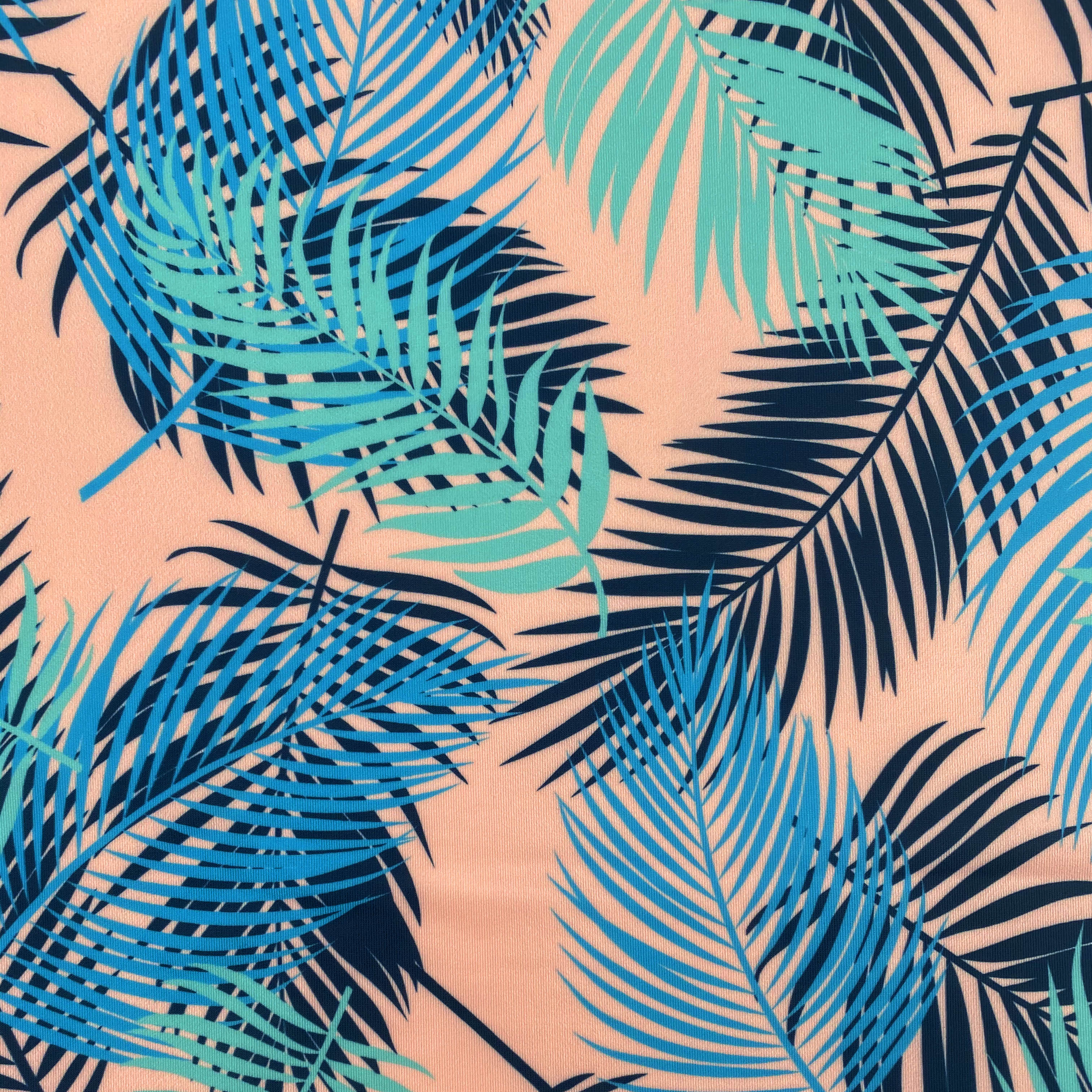
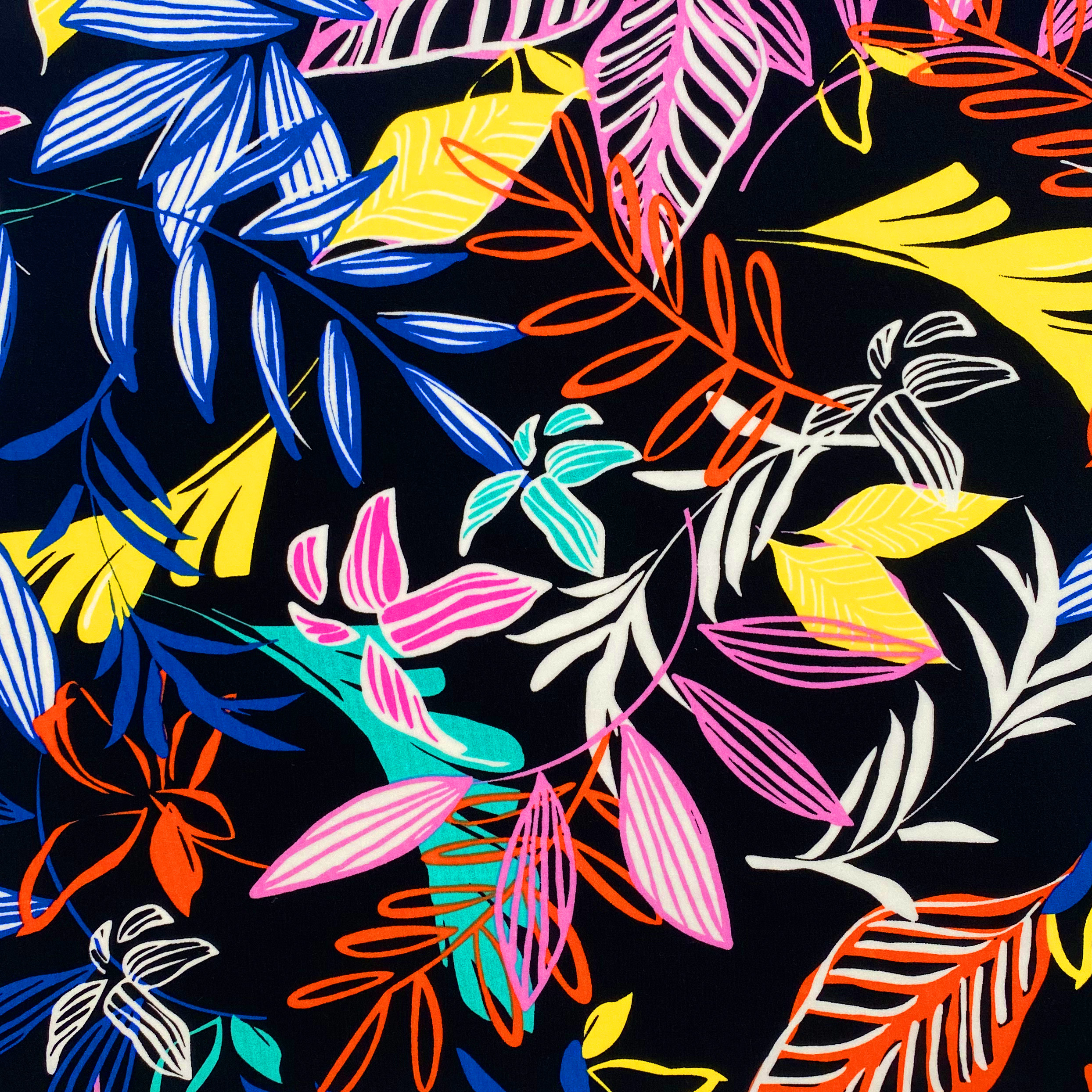
Advanced dyestuffs bond deeply with polyester fibers at high temperature, allowing saturated and pigment-rich colors that can be transferred through sublimation printing. The knit structure can be varied from single jersey and interlock to rib, mesh, fleece, and waffle, each offering a distinct weight and surface texture. For a balanced view of the trade-offs, read our analysis of the advantages and disadvantages of polyester fabrics.
Polyester knit fabric is a synthetic textile produced by interlocking loops of polyester filament or staple yarns. Its loop structure provides inherent stretch, breathability, and a soft hand, making it one of the most adaptable materials in fashion.
Polyester knit fabric now appears in every major fashion category, with each segment requiring different weight, stretch, and finishing parameters.
Typical Polyester Knit Weight by Fashion Segment (GSM)
| Application | Knit Structure | Typical GSM | Elastane Content | Priority Properties |
| Sportswear | Single Jersey, Interlock | 180-240 | 12-18% | Moisture wicking, 4-way stretch |
| Swimwear | Interlock, Tricot | 200-260 | 18-25% | Chlorine resistance, UPF protection |
| Casual Wear | Single Jersey, Rib | 140-200 | 0-10% | Comfort, drape, soft hand |
| Underwear | Interlock, Mesh | 130-190 | 5-15% | Breathability, skin comfort |
| Fleece / Outerwear | Fleece, Waffle | 250-350 | 0-5% | Thermal insulation, softness |
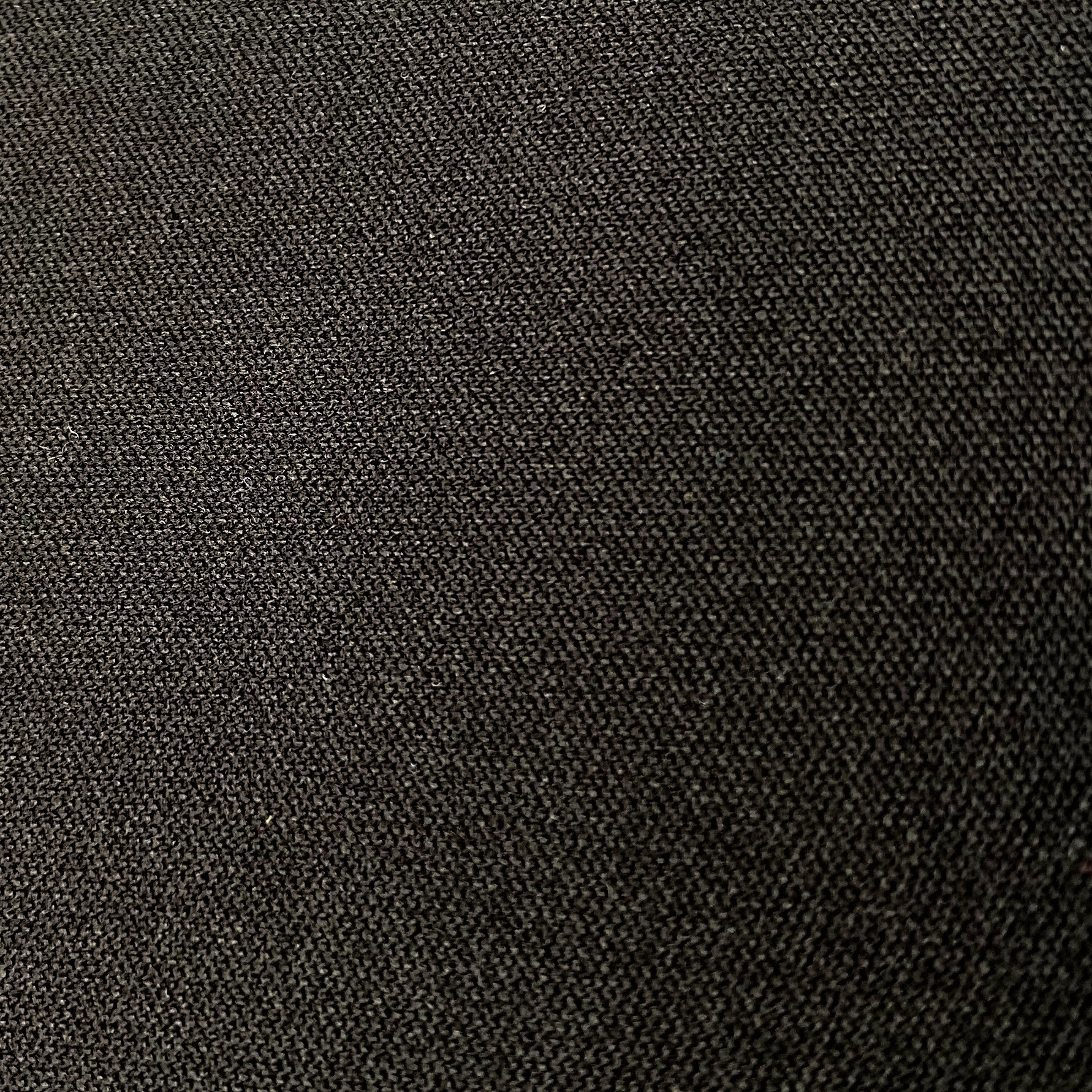 Black Quick-Dry Polyester Knit Fabric for Performance ApparelThis black polyester knit is highlighted for its quick-dry capability, aligning with the four performance features of moisture management, dimensional stability, color precision, and easy care that drive its adoption in fashion segments.View Product →
Four performance features drive the widespread adoption of polyester knit fabric: moisture management, dimensional stability, color precision, and easy care.
Moisture management is the strongest selling point. PET is hydrophobic with a moisture regain of around 0.4%, so a polyester knit blended with elastane or wicking yarns pulls sweat away from the skin and dries quickly. In sportswear, a drop absorption test should be under 1 second and a drying time under 30 minutes for the fabric to perform well in the field.
Stretch and recovery depend on elastane content. A single jersey with 12-18% elastane typically achieves 15-30% stretch and over 90% recovery. This is why leggings and swimsuits bounce back through repeated gym sessions and saltwater exposure.
Color precision and printability are equally important. Polyester has a high affinity for disperse dyes, which allows saturated colors that resist fading during washing. Sublimation printing on polyester knit produces sharp, edge-to-edge patterns because the ink fuses into the fiber at high temperature rather than sitting on the surface.
For durability, polyester knit has roughly 2-3 times the abrasion resistance of comparable woven cotton, and it dries 2-3 times faster. That reduces the cost of garment care across the product lifecycle and helps brands maintain repeatable quality.
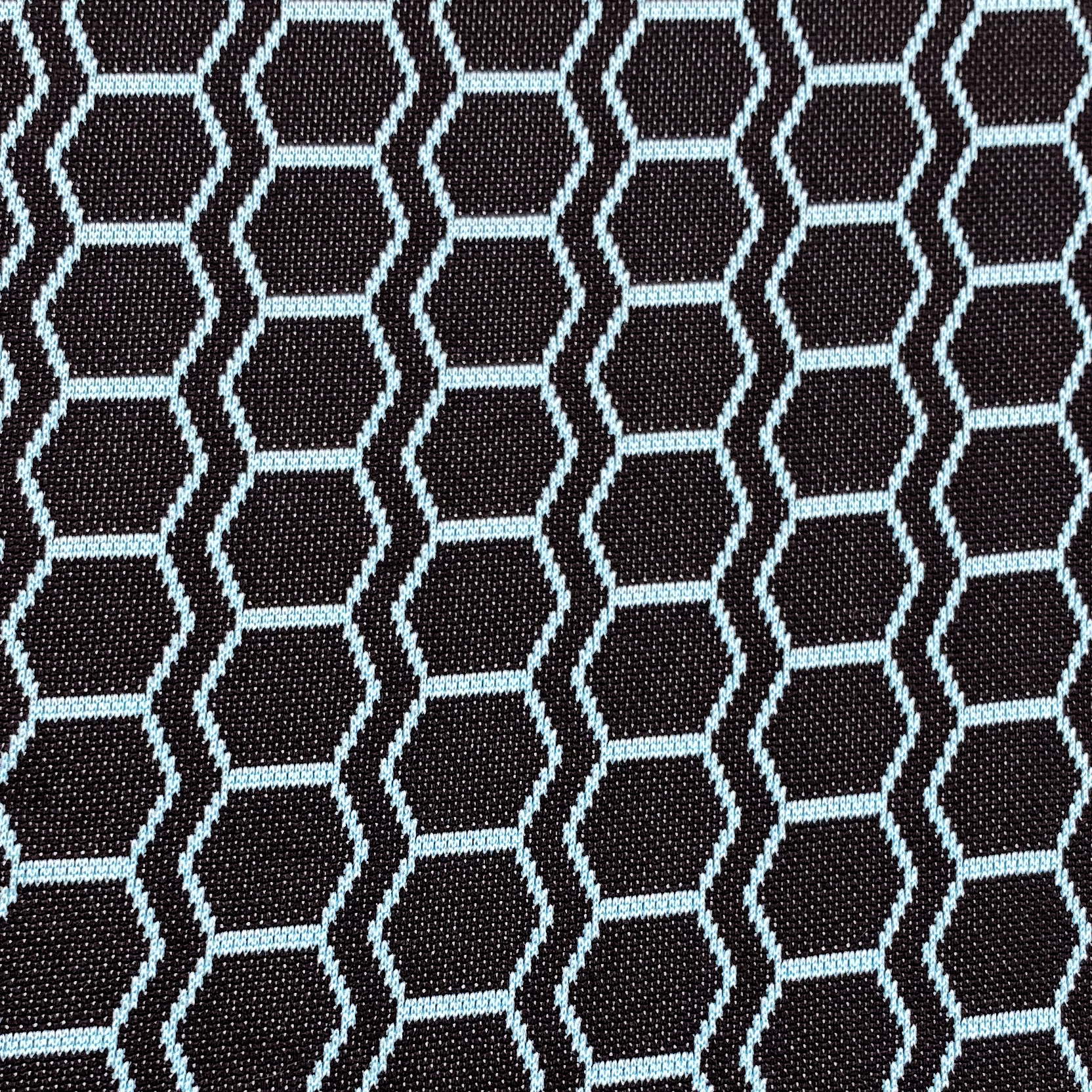 Recycled Polyester Honeycomb Fabric 150gsm 170cmFeaturing a honeycomb weave for breathability and moisture-wicking, this 150gsm recycled polyester fabric offers dimensional stability and sustainable sourcing, making it a credible choice for activewear and athletic apparel.View Product →
Selecting the right polyester knit for a collection comes down to three variables: weight in GSM, elastane ratio, and finishing treatment.
Weight (GSM): Choose 140-180 GSM for lightweight tops, 180-240 GSM for activewear, and 250-350 GSM for fleece and winter layers. Confirm the GSM tolerance is within +/- 5% before placing a bulk order, because a 10% deviation can change the drape and garment cost.
Elastane ratio: Use 0-5% for loose casual wear, 8-12% for basic bodywear, 12-18% for high-movement sportswear, and 18-25% for swimwear. Always confirm if the elastane is high-modulus, because higher modulus improves recovery and reduces bagging at the knees and elbows.
Finishing and dyeing: Choose peached or brushed finishes to soften the surface, calendering for a clean finish, and sun-proof or UPF50+ coatings for swimwear. These treatments add value and differentiate a collection at retail.
Recycled content: For sustainability claims, specify the recycled percentage clearly, typically 30-100%. rPET from beverage bottles and pre-consumer textile waste are the most common sources, but recycled chips may have slight color shifts, so test a sample before production.
Polyester knit fabric is most widely used for activewear, swimwear, casual wear, underwear, and outerwear. Its stretch, moisture management, durability, and printability make it ideal for garments that must perform under daily wear and repeated washing.
Use 12-18% elastane for balanced 4-way stretch with recovery above 85%, and 18-25% for swimwear where chlorine resistance and recovery are critical. A lower elastane content around 5-8% works for loose casual tops.
Yes. High-quality recycled polyester knit fabrics meet the same tensile strength, abrasion resistance, and colorfastness standards as virgin PET. Select a mill that tests recycled yarn strength and color consistency before production.
Choose compact knit structures like interlock or higher-twist single jersey, apply singeing and brushing finishing, and wash below 30 degrees Celsius. Avoid fabric softeners, because they can degrade elastane over time.

As Yitai, since 2004, we have manufactured sportswear knitted fabrics such as interlock fabric, nylon fabric, spandex fabric, polyester fabric etc. With excellent R&D group, marketing team, quality control system, experienced dyeing & finishing supporting facility and customer service system.
Haining Yitai Knitting Co., Ltd
No. 198 Canghai Road, Warp Knitting Zone, Haining City, Zhejiang, 314419, China Tel: +0086 135 6738 5757 Email: [email protected] [email protected] [email protected]FOLLOW US



 英语
 中文简体