英语
英语 中文简体
中文简体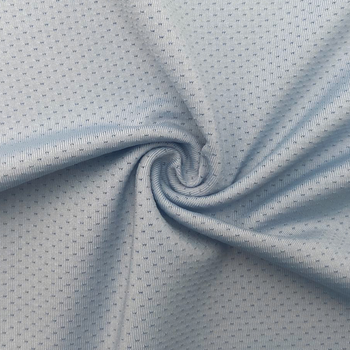
News
-
18
2026.09How to Test Polyester Knit Fabric Quality: A Complete Fabric...
A 3,000-meter roll of polyester interlock lands at your cutting table. The hand feels right and the shade matches, but the real risks are invisible: uneven shrinkage across rolls,... -
16
2026.09How Fabric Weight and GSM Affect Polyester Knit Fabric Perfo...
An apparel specification sheet asks for a 140 GSM polyester jersey, and the sample weighs in at 160 GSM. That 20 gram difference changes price, drape, and drying time before a sin... -
14
2026.09How to Choose the Right Polyester Knit Fabric: A Buyer's Gui...
Two polyester knit swatches can look almost identical across a meeting table and perform completely differently on the sewing line. One may spring back cleanly after a season of w... -
09
2026.09Is Polyester Knit Fabric Breathable and Durable? A Textile S...
Polyester knit fabric can be breathable and durable, but neither property is automatic. The same polymer can produce a featherweight mesh that passes air freely and a dense interl... -
03
2026.09Polyester Knit Fabric Lifespan: How Long It Lasts and What A...
How Long Does Polyester Knit Fabric Last? Most polyester knit fabrics last between three and seven years of regular wear, and many garments made from well-constructed polyester kn...

Casual Wear Fabrics Industry Knowledge
Haining Yitai Knitting Co., Ltd. has manufactured knitted fabric since 2004 from our base in the Warp Knitting Zone of Haining City, Zhejiang. We develop and produce Casual Wear Fabrics Manufacturers for T-shirts, polos, hoodies, loungewear, leggings and athleisure programmes, working as an OEM factory for brands and garment groups worldwide.
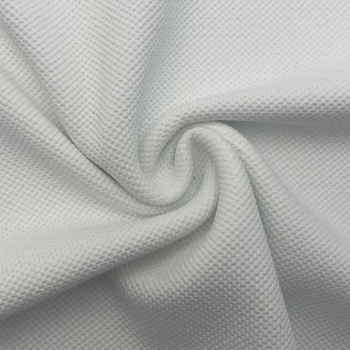
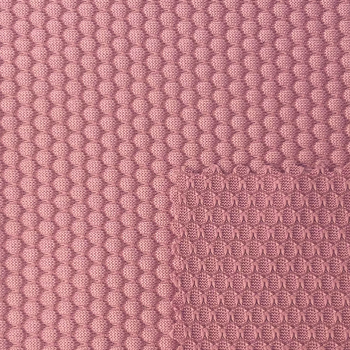
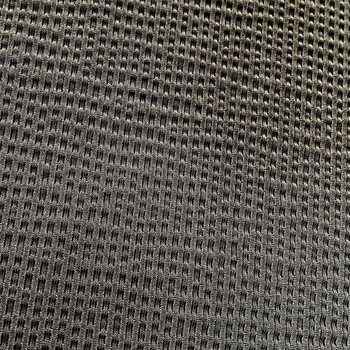
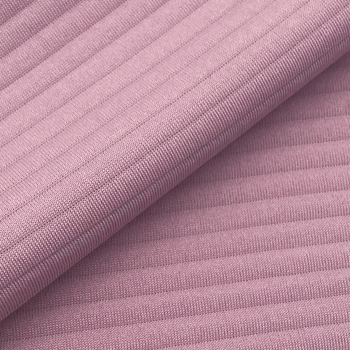
Our casual wear range covers single jersey, rib, interlock, pique, waffle, seersucker, jacquard, mesh, peached and brushed constructions in cotton blends, polyester, nylon, cationic and spandex-containing qualities. We build each quality around the working point of the garment: weight, stretch, hand feel, colour and care performance.
What We Manufacture in Casual Wear Knits
Casual wear is a comfort-led category, and the knit structure carries most of that comfort. Our R&D group and dyeing and finishing facility let us tune fibre ratio, loop geometry, GSM and finishing route together rather than treating them as separate steps. The result is a fabric that fits the body, holds its shape through the day and survives repeated washing.
We supply both established qualities from our collection and custom developments built from a drawing, a swatch or a garment specification. Typical casual programmes include cotton-rich jersey for skin contact, polyester and nylon blends for moisture management, and spandex-containing knits for 4-way stretch.
Our Casual Wear Fabric Range
| Fabric Type | Typical Composition | Weight Range | Best-Fit Application |
|---|---|---|---|
| Single jersey | Cotton, CVC, polyester, spandex blends | Light to mid weight | T-shirts, tops, loungewear |
| Rib and 2x2 rib | Cotton blends, polyester, spandex | Mid weight | Cuffs, collars, fitted tops |
| Interlock and pique | Polyester, nylon, cotton blends | Mid weight | Polos, hoodies, structured tees |
| Waffle, honeycomb, seersucker | Nylon spandex, polyester blends | Mid to heavier weight | Textured casual tops, dresses |
| Jacquard and mesh | Nylon spandex, polyester spandex | Light to mid weight | Panelled garments, breathable zones |
| Peached and brushed | Polyester, cationic, nylon blends | Mid weight | Warm-hand casualwear, hoodies |
| Quick-dry and printed knits | Polyester, polyester spandex | Light weight | Athleisure, travel and active casual |
Application Fit Across Casual Garments
Different casual garments place different demands on the knit. A basic tee needs softness, opacity and stable shrinkage; a hoodie needs body and surface interest; leggings need recovery and coverage. We match construction and finishing to the end use rather than selling one quality for every programme.
- T-shirts and tops: single jersey and fine interlock in cotton-rich or CVC blends, with controlled shrinkage for pattern accuracy.
- Polos and structured casual: pique and interlock with enough body to hold a collar and placket.
- Loungewear and relaxed fits: rib, waffle and peached qualities with a soft hand and comfortable stretch.
- Athleisure and travel: quick-dry, moisture-managing knits with spandex for movement and shape retention.
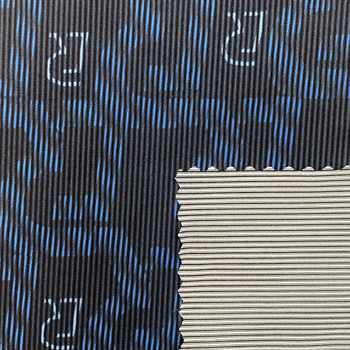
- Fashion casual: jacquard, foil-print, cationic and mesh structures for surface differentiation.
Where a programme overlaps with performance categories, our Activewear Fabrics and Yoga Wear Fabrics ranges provide the stretch and recovery platforms that casual athleisure styles often build on.
Critical Specifications We Work To
Every casual wear quality is defined by a small set of numbers that decide how the garment cuts, sews and wears. We confirm these against the approved sample before bulk production and keep them consistent across repeat orders.
- Weight (GSM): controlled to the agreed specification, since weight drives drape, cost and drying behaviour.
- Width: supplied to the cutting marker requirement to reduce waste.
- Stretch and recovery: spandex-containing knits are checked for extension and return so collars and knees keep their shape.
- Dimensional stability: shrinkage is managed through dyeing and finishing so garments hold size after washing.
- Colour fastness: washing and rubbing performance is verified for the intended care label.
- Surface appearance: pilling and snagging behaviour is considered for open structures and brushed surfaces.
Configuration Options
Casual wear programmes rarely stay standard for long. We configure fibre blend, knit structure, weight, width, colour and finishing to the garment brief, and we can develop from a reference sample, a technical pack or a target hand feel.
- Fibre blend: cotton, CVC, polyester, nylon, cationic and spandex combinations.
- Structure: jersey, rib, interlock, pique, waffle, mesh, jacquard, seersucker and fleece-type surfaces.
- Finishing: peached, brushed, moisture-wicking, anti-static and other functional treatments where the brief requires them.
- Colour: solid dyeing and print options, including stripe, foil-print and placement effects.
- Sustainability: recycled-content qualities are available under our GRS certification, supported by our Sustainability Fabrics range.
Quality Control and Acceptance
Our quality control system runs from yarn intake through knitting, dyeing, finishing and final inspection. Because casual wear is judged by hand feel and appearance as much as by measurement, we keep approved samples as the reference for each order and check bulk against them.
- Construction checks on weight, width and stitch density.
- Dimensional stability and stretch recovery verification.
- Colour continuity and fastness checks against the approved standard.
- Surface inspection for pilling, snagging and visual defects.
- GRS chain-of-custody documentation for recycled-content orders.
We hold GRS certification covering recycled-content processing, manufacturing, packaging, labelling and distribution, which supports brands that need verified recycled material in their casual wear lines.
Information We Use to Configure Your Solution
A workable proposal starts from the garment, not from a catalogue number. The more precisely the brief is defined, the closer the first sample lands to the target. We use the following inputs to select construction, fibre ratio and finishing route.
| Project Input | What It Determines |
|---|---|
| End garment and style | Knit structure, weight band and stretch level |
| Target GSM and width | Yarn count, machine setting and cutting efficiency |
| Fibre preference or restriction | Blend ratio and dyeing route |
| Colour standard or print artwork | Dyeing, printing and colour-matching approach |
| Care label and wash conditions | Shrinkage targets and fastness requirements |
| Functional requirements | Moisture management, anti-static or brushed finishing |
| Order quantity and delivery schedule | Production planning and sampling sequence |
| Reference sample or technical pack | Development direction and approval criteria |
Sampling, Documentation and Delivery
We develop casual wear qualities from swatches, drawings and garment specifications, and we supply the documentation a production team needs to plan cutting and sewing. Approved samples act as the reference for bulk, and GRS transaction documentation is available for recycled-content programmes.
Rolls are packed for export handling, with roll length, width and shade continuity recorded so the cutting room can plan markers. Where a programme needs additional qualities beyond the casual range, our full Product collection covers yoga, swimwear, underwear and team sportswear knits.
Frequently Asked Questions
Can you develop a casual wear fabric from our own sample?
Yes. Send the reference swatch or garment along with the target weight, width and colour. Our R&D group analyses the construction and fibre blend, then proposes a matching quality and produces a development sample for approval before bulk.
Which compositions do you recommend for everyday T-shirts?
Cotton-rich single jersey gives the softest skin feel, while CVC and polyester blends improve shrinkage control, colour retention and drying speed. For stretch tees we add spandex so the fabric moves with the body and keeps its shape after washing.
Do you supply recycled-content casual wear fabrics?
We hold GRS certification and can produce recycled-content qualities within the casual wear range. The certification covers processing, manufacturing, packaging, labelling and distribution, and we provide the supporting chain-of-custody documentation for these orders.
How do you control shrinkage and colour consistency across repeat orders?
Shrinkage is managed through the dyeing and finishing route and verified against the agreed limit, while colour is checked against the approved standard. We retain the approved sample for each programme so repeat orders are matched to the same reference.
What is the minimum information needed for a quotation?
The end garment, target GSM and width, fibre preference, colour or artwork, care conditions and order quantity are enough for us to propose a construction and price. A reference sample or technical pack shortens development and improves first-sample accuracy.
Can casual wear knits be combined with functional finishing?
Yes. Depending on the brief we can apply moisture-wicking, anti-static, brushed or peached finishing, and we can combine these with jacquard, mesh or print effects for garments that need both comfort and surface interest.