Article Directory
Two polyester knit swatches can look almost identical across a meeting table and perform completely differently on the sewing line. One may spring back cleanly after a season of wear; the other may stretch out at the knees or fade after a few washes. That gap between appearance and performance is why fabric selection deserves a structured approach rather than a gut feeling.
Choosing the right polyester knit fabric comes down to five decisions made in order: the knit structure, the fiber blend, the fabric weight, the performance finishing, and the quality checks you run before committing. Work through them systematically, and the fabric you choose will support your garment's function, fit, and lifespan from first sample to bulk production. Skip one, and you may only notice the problem after the goods are cut and sewn.
Structure is the first variable to fix, because it determines drape, stretch, breathability, and shape retention. Polyester can be knitted into several structures, and each one gives a garment a different personality.
The table below summarizes how these structures compare in daily use.
| Structure | Key Traits | Best For | Stretch Level |
|---|---|---|---|
| Single Jersey | Smooth face, textured back, good drape | T-shirts, dresses, base layers | Moderate |
| Interlock | Double-layer, stable, smooth on both sides | Polo shirts, structured tops | Low to moderate |
| Rib | Deep vertical lines, high elasticity | Cuffs, collars, fitted garments | High |
| Mesh | Open holes, maximum airflow | Sportswear panels, linings | Varies by construction |
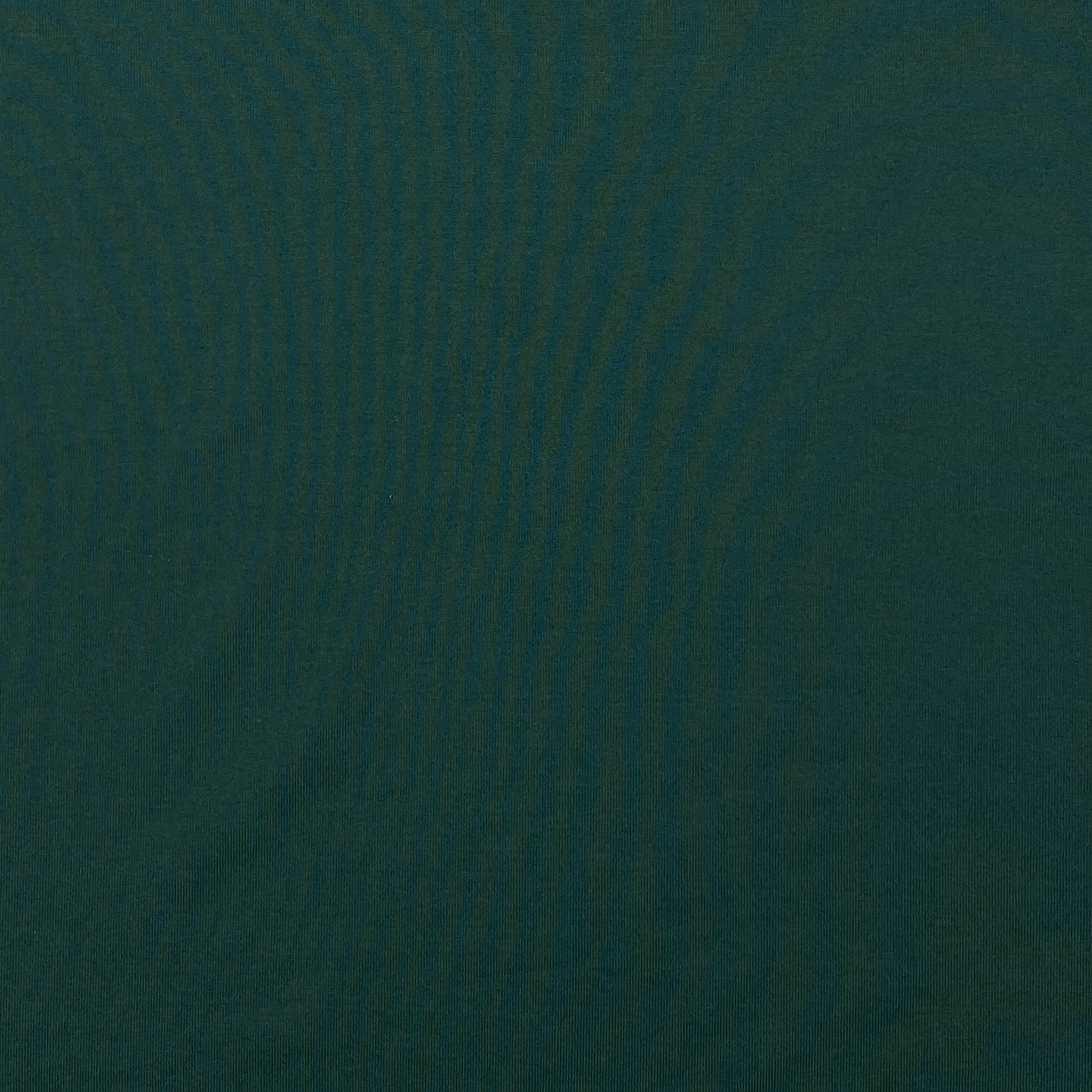
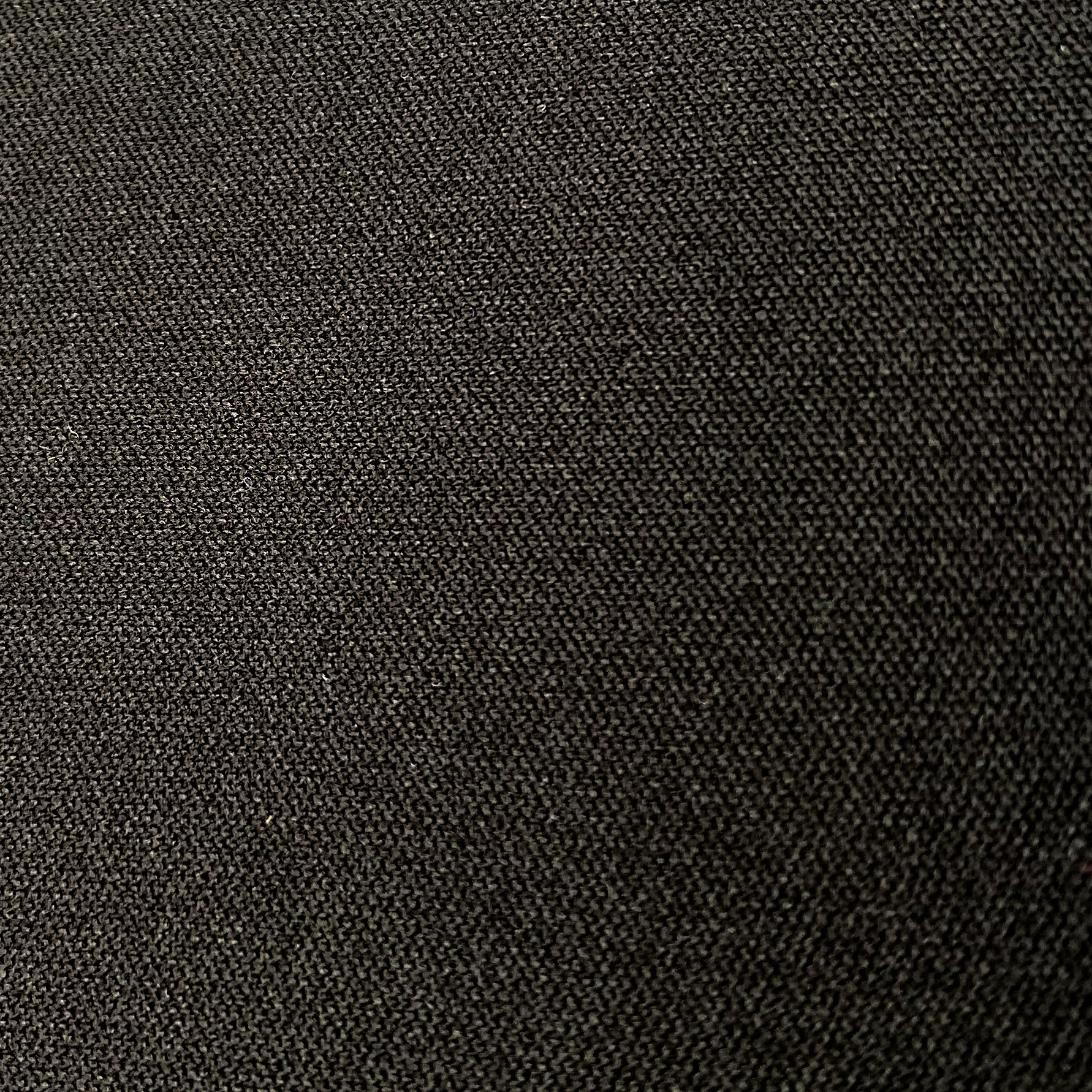
For a dependable starting point, many brands sample with a solid-color base such as this black polyester fabric before moving into prints or specialty finishes. A clean, even surface makes it easier to judge how the knit handles dyeing, printing, and garment construction. If you want to compare structure options in more depth, this guide to the types of knitted fabric and their uses walks through the main categories and how they behave.
Most polyester knits are not 100% polyester. The added fibers change stretch, recovery, hand feel, and cost, so the blend deserves its own decision step.
Before you settle on a blend, it is worth reviewing the advantages and disadvantages of polyester fabrics for your specific garment type. The same polymer that gives excellent colorfastness can feel less breathable than natural fibers when the knit is too tight or the finish is wrong.
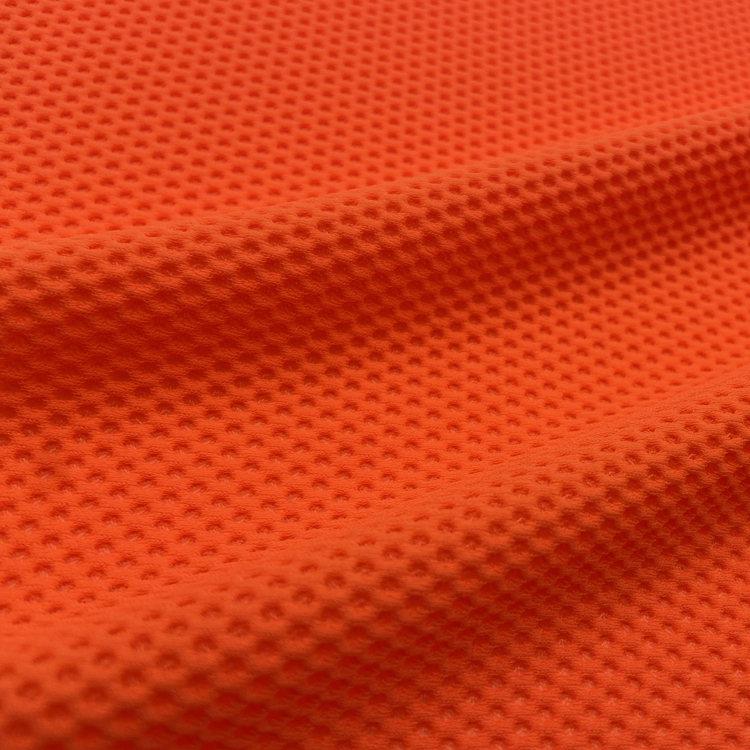
When recycled content is on your list, evaluate the texture as well as the claim. The honeycomb recycled polyester fabric in our range, for example, combines rPET yarn with a waffle structure, so you get a visual surface and a sustainability story in one material.
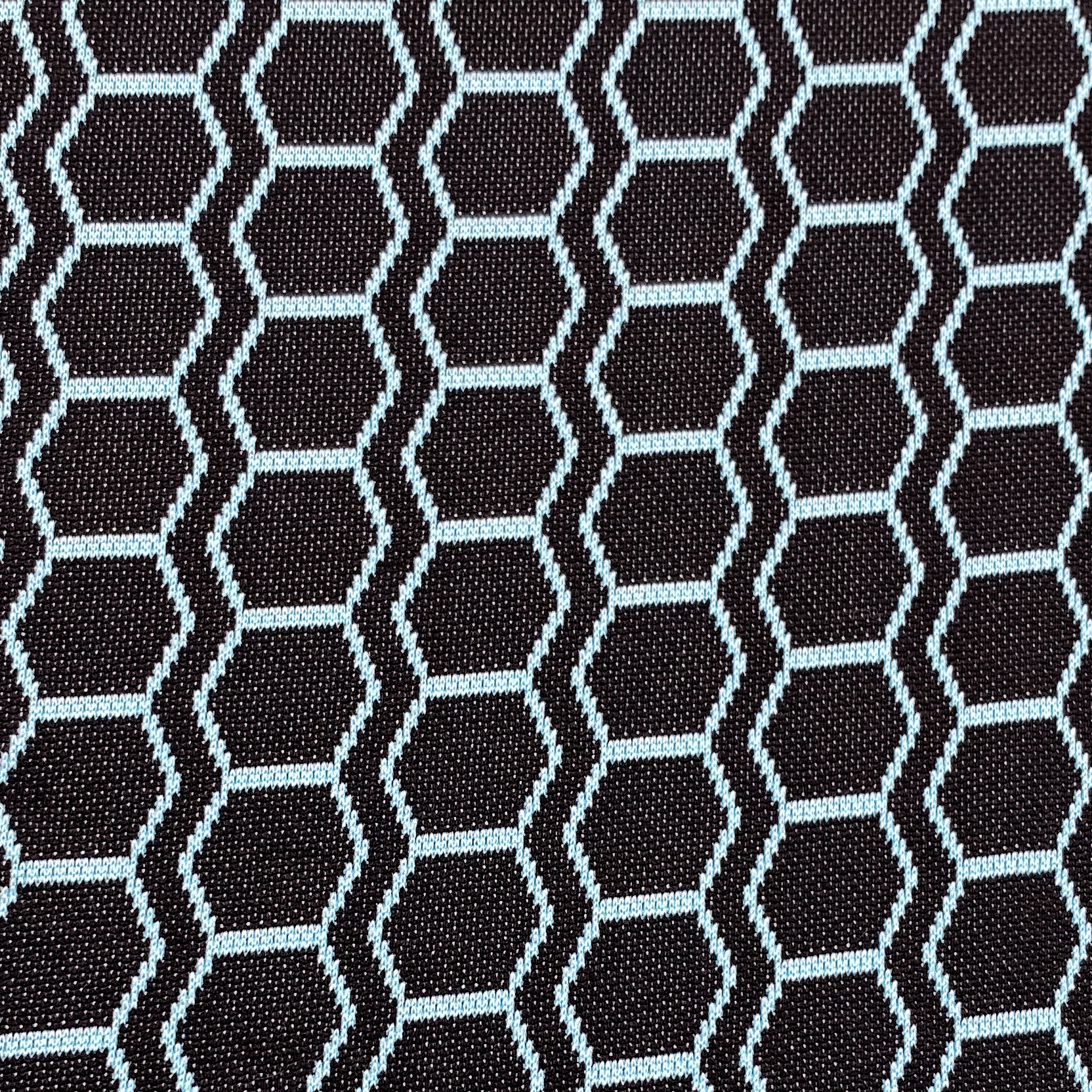 Sustainable 100% Recycled Polyester Honeycomb Fabric for Performance WearSource premium 100% recycled polyester honeycomb fabric (150gsm, 170cm) for sustainable apparel. Ideal for high-performance and eco-frien...View Product →
Fabric weight, measured in grams per square meter (GSM), controls warmth, drape, and durability. Requesting samples without a GSM range is the fastest way to waste a development cycle.
Weight also interacts with structure. A mesh fabric at 180 GSM feels completely different from an interlock at the same weight, because the open construction changes how the fabric sits on the body. And weight affects factory handling: heavy knits need stronger needles and more precise cutting, while light knits can stretch on the sewing line unless the machine uses the correct feed system. If you know your production line's capabilities, let that knowledge guide the weight you specify.
Polyester is valued for quick drying, moisture wicking, and UV resistance, but these properties often come from yarn selection and finishing chemistry rather than from the knit structure alone. Read the specification sheet, not just the marketing description.
These finishes move sweat away from the skin and speed up evaporation. They matter for activewear, swimwear, and underwear, and they should be verified with a recognized test method rather than a general claim. A performance garment is only as good as the data behind its fabric.
UV-resistant treatments support sun protection in swimwear and summer garments. Ask for a UPF rating, and check whether the protection level holds after repeated washing, because some finishes degrade faster than others.
Polyester accepts vibrant colors, but a dyehouse with weak process control still delivers shade variation between lots, poor lightfastness, or uneven dyeing on textured surfaces. Color quality should be confirmed on the bulk production lot, not only on the pre-production sample.
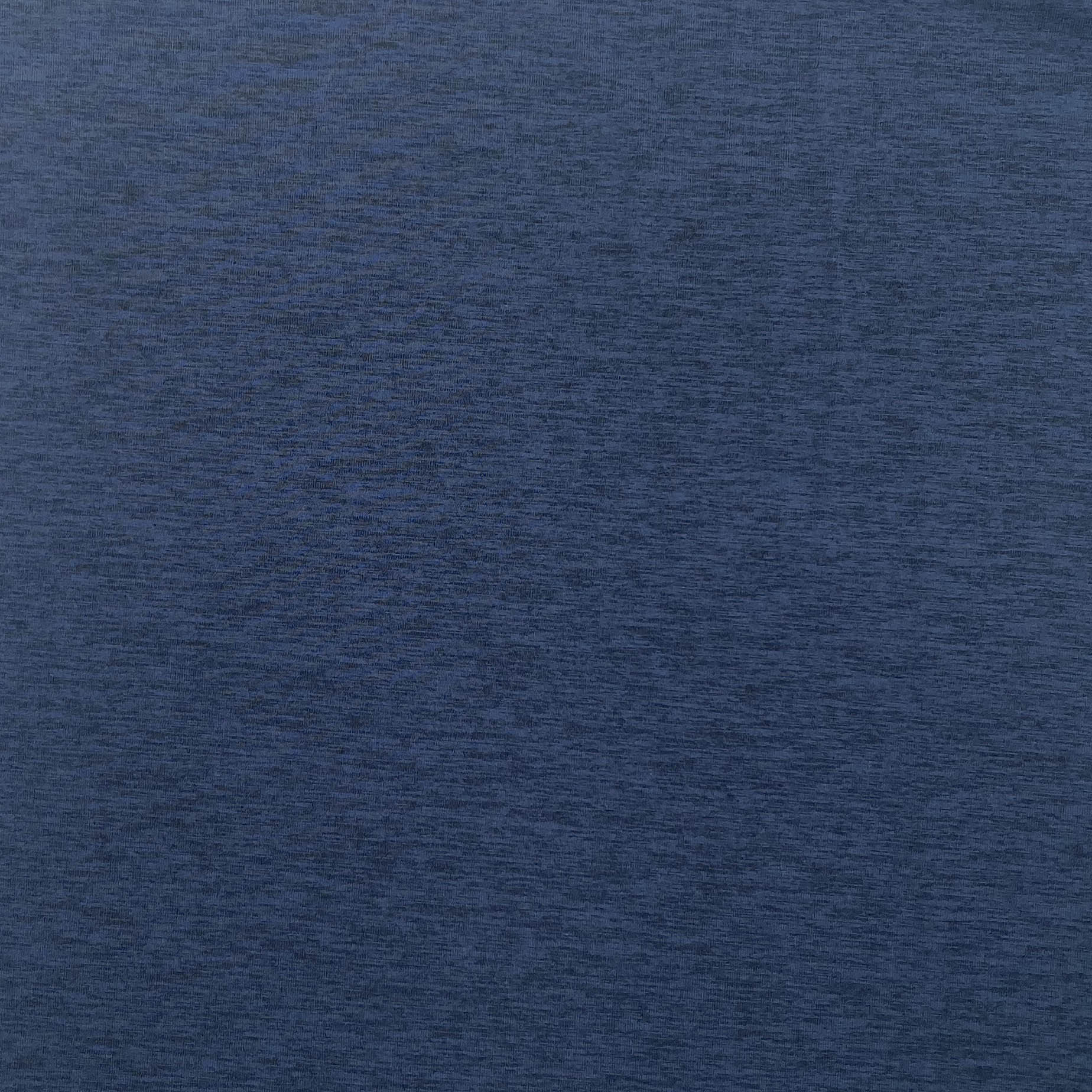
If your product is performance-oriented, request a quick-dry option early in the sampling stage. A quick-dry polyester fabric with a tested moisture-management finish gives you a concrete basis for wear trials and lab testing before bulk production.
 Wholesale BLACK QUICK DRY FABRIC Suppliers, ExportersHaining Yitai Knitting Co., Ltd is China wholesale BLACK QUICK DRY FABRIC suppliers and Exporters, If you want to be cool, this high qual...View Product →
A beautiful swatch is not enough. Before bulk production, verify that the fabric can withstand your garment's real use conditions.
Rub the swatch against itself or use a Martindale abrasion test. Polyester knits with loose structures pill more easily, and the effect becomes visible only after several washes. Specify the number of cycles your garment must survive, and test the finished garment rather than the raw fabric whenever possible.
Wash a labeled sample at the care temperature your garment will receive. Keep shrinkage below 3-5% in both directions, and confirm that the supplier's tolerance matches yours. A one-percentage-point difference can change the fit of an entire size run.
Test against water, sweat, and light. Ask for the mill's test reports, then repeat the key tests on the production lot, because production batches can drift from approved samples. Also confirm the GSM tolerance in the contract, not after arrival.
The fabric itself is only half the equation. The mill's dyeing and finishing capabilities, quality control systems, and communication practices determine whether your first production run goes smoothly.
A supplier with in-house dyeing and finishing equipment can control shade consistency much more tightly than one that outsources every step. An on-site laboratory means tests can be run before the fabric leaves the factory. Clear communication about lead times, minimum order quantities, and production tolerances prevents surprises later.
This is where you decide whether you are buying fabric or building a supply relationship. A practical walkthrough of how to choose knit fabric for your project covers the questions worth asking before you place a bulk order.

As Yitai, since 2004, we have manufactured sportswear knitted fabrics such as interlock fabric, nylon fabric, spandex fabric, polyester fabric etc. With excellent R&D group, marketing team, quality control system, experienced dyeing & finishing supporting facility and customer service system.
Haining Yitai Knitting Co., Ltd
No. 198 Canghai Road, Warp Knitting Zone, Haining City, Zhejiang, 314419, China Tel: +0086 135 6738 5757 Email: [email protected] [email protected] [email protected]FOLLOW US




 英语
英语 中文简体
中文简体