Article Directory
Polyester knit fabric can be breathable and durable, but neither property is automatic. The same polymer can produce a featherweight mesh that passes air freely and a dense interlock that traps heat. What decides the outcome is the knit structure, the yarn specification, and how the fabric is dyed and finished. For anyone sourcing polyester knit fabric for activewear, underwear, or swimwear, understanding these three variables is the difference between a garment that performs and one that disappoints. A balanced look at polyester fabric properties helps frame that decision.
Polyester brings two fiber-level traits that matter immediately. First, it is hydrophobic: it does not absorb moisture. Instead of soaking into the fiber like cotton, sweat remains on the yarn surface and evaporates quickly, which keeps the wearer drier during exercise. Second, polyester is mechanically tough. It resists abrasion, stretching, shrinking, mildew, and UV degradation, which is why polyester knits are a default choice for swimwear, sportswear, and underwear basics.
The fiber also has limits that a careful mill compensates for. Unfinished polyester can feel slick next to skin, low-grade yarn can pill, and a poorly heat-set fabric can lose its shape. These issues are not inherent to the polymer; they come down to yarn quality, knitting parameters, and finishing discipline. That is why two polyester knits that look similar may behave very differently after twenty washes.
Breathability has two components: air permeability and moisture management. Polyester fiber itself is not breathable in the way cotton is, because it does not absorb water. But a knit is built from loops, and loops leave spaces. Those spaces are the real pathway for airflow and vapor release. The characteristics of knitted fabric explain why structure plays such a decisive role.
Open structures such as mesh and single jersey let air circulate easily, which is why they dominate activewear and team sportswear. Denser structures such as interlock trap still air and feel warmer, making them a better fit for underwear and base layers. Air permeability is measured in liters per square meter per second, and a loose mesh can reach several times the airflow of a dense interlock. An open mesh polyester knit is the clearest example of breathability by design: its open pattern maximizes airflow while keeping enough coverage for sports jerseys, linings, and ventilation panels.
 Wholesale 78% NYLON 15% SPANDEX 7% POLYESTER WEIGHT 176GSM WIDTH 160CM MESH FABRHaining Yitai Knitting Co., Ltd is China wholesale 78% NYLON 15% SPANDEX 7% POLYESTER WEIGHT 176GSM WIDTH 160CM MESH FABRIC suppliers and...View Product →
Beyond structure, moisture management finishes and quick-dry engineering move sweat away from the skin and speed evaporation. A quick-dry polyester fabric typically combines a lightweight construction with a low-absorbency finish, so moisture spreads across the surface instead of pooling. This is not a marketing trick; it is capillary action working with the hydrophobic nature of the fiber. The result is a fabric that feels less clammy and dries quickly, even when its raw air permeability is moderate.
 Wholesale BLACK QUICK DRY FABRIC Suppliers, ExportersHaining Yitai Knitting Co., Ltd is China wholesale BLACK QUICK DRY FABRIC suppliers and Exporters, If you want to be cool, this high qual...View Product →
Durability in a polyester knit is not a single number. It is a combination of abrasion resistance, dimensional stability, colorfastness, and the integrity of the fabric edge after repeated laundering. Polyester fiber scores well on all of these when the fabric is engineered correctly.
Structure matters as much as fiber. An interlock knit locks two layers of loops together, so it holds its shape and resists snagging better than a lightweight single jersey. Pique, with its open yet firm construction, stands up to abrasion and creasing. An open mesh is inherently less robust at the loop level, which is why mesh fabrics are usually specified with heavier yarn or a tighter gauge when they must survive frequent washing.
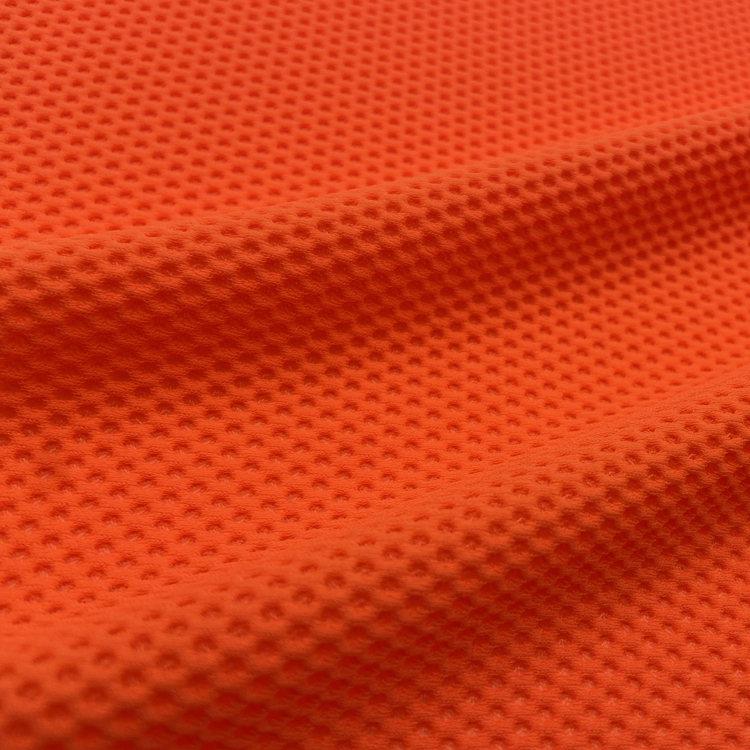
Finishing is where durability is truly secured. Heat-setting locks the loops in place so the fabric resists stretching and shrinking. Proper dyeing protects colorfastness against sweat, chlorine, and sun exposure. Recycled polyester, processed through the same disciplined route, delivers durability very close to virgin polyester while supporting sustainability targets. A honeycomb recycled polyester fabric demonstrates the point: the honeycomb structure adds stiffness and shape retention, and the recycled yarn keeps the environmental footprint smaller.
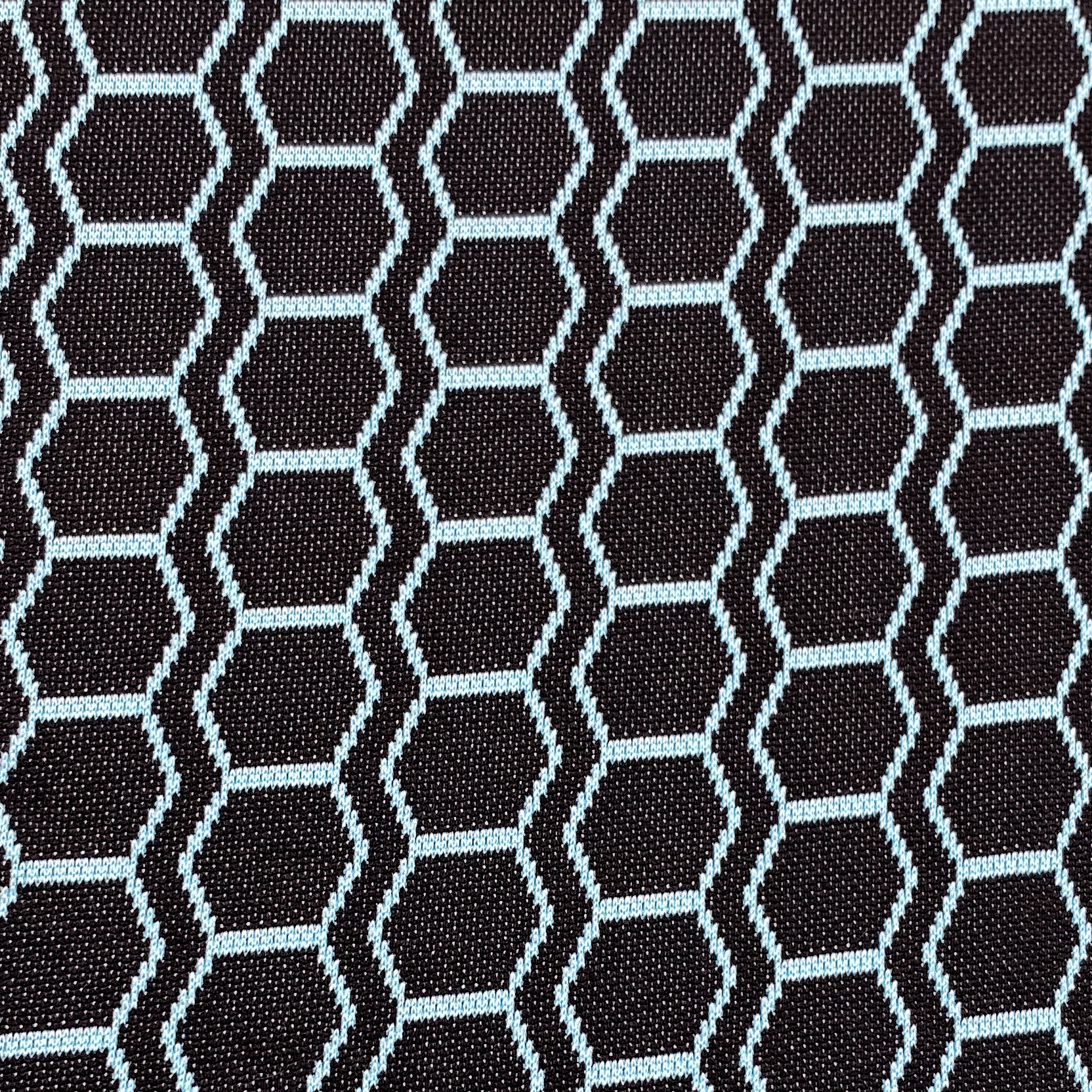 Sustainable 100% Recycled Polyester Honeycomb Fabric for Performance WearSource premium 100% recycled polyester honeycomb fabric (150gsm, 170cm) for sustainable apparel. Ideal for high-performance and eco-frien...View Product →
To see how breathability and durability shift across constructions, compare the five most common polyester knit structures used in apparel.
| Structure | Breathability | Durability | Typical Applications |
|---|---|---|---|
| Single Jersey | Medium-High | Medium | Activewear tops, casual tees |
| Interlock | Low-Medium | High | Underwear, sportswear linings, base layers |
| Mesh | High | Medium | Sports jerseys, breathable panels |
| Pique | Medium-High | High | Polo shirts, team apparel |
| Rib | Medium | Medium-High | Cuffs, collars, fitted activewear |
A football jersey needs maximum airflow, so mesh is the right call even though it is less abrasion-resistant than interlock. An underwear fabric must hold its shape through hundreds of washes, so interlock makes more sense. The same fiber, processed in the same mill, can produce both outcomes. That is why knowing the types of knitted fabric and their uses comes before evaluating individual fabric options.
Every application emphasizes a different side of the breathability-durability equation.
Swimwear can tolerate lower breathability because it is worn wet and briefly. Underwear cannot. Team jerseys need durability against friction and repeated washing, but not thermal warmth. Choosing the structure first makes the rest of the specification easier. For brands, this means defining the end user's behavior before picking a fabric: a gym top, a swimsuit, and a pair of briefs have different performance priorities even when they share the same fiber.
When evaluating a polyester knit for a new product line, verify these points:
A mill that controls dyeing and finishing in-house can answer these questions with data instead of approximations. An in-house laboratory, a documented quality control system, and an experienced production team reduce the guesswork that leads to returns and reorders. When the supplier owns the process from knitting to final finishing, the gap between a sample and a production batch narrows significantly. For importers and brands, that documentation matters: it turns a subjective "this feels fine" into a specifiable, repeatable standard.
The answer to whether polyester knit fabric is breathable and durable is yes, provided the fabric is designed and made with intention. Choose the knit structure that serves the garment's main job, specify the right GSM and finish, and verify the supplier's quality control. A single jersey may breathe beautifully but pill sooner; an interlock may be nearly indestructible but trap heat. The correct fabric exists for every application; it simply requires a partner who can explain the trade-offs and document the performance.

As Yitai, since 2004, we have manufactured sportswear knitted fabrics such as interlock fabric, nylon fabric, spandex fabric, polyester fabric etc. With excellent R&D group, marketing team, quality control system, experienced dyeing & finishing supporting facility and customer service system.
Haining Yitai Knitting Co., Ltd
No. 198 Canghai Road, Warp Knitting Zone, Haining City, Zhejiang, 314419, China Tel: +0086 135 6738 5757 Email: [email protected] [email protected] [email protected]FOLLOW US




 英语
英语 中文简体
中文简体