Article Directory
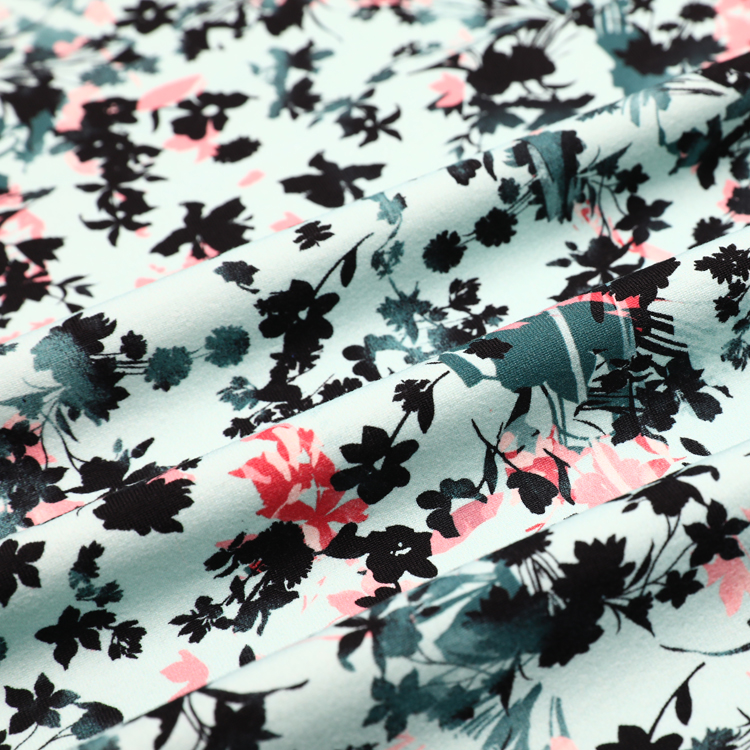
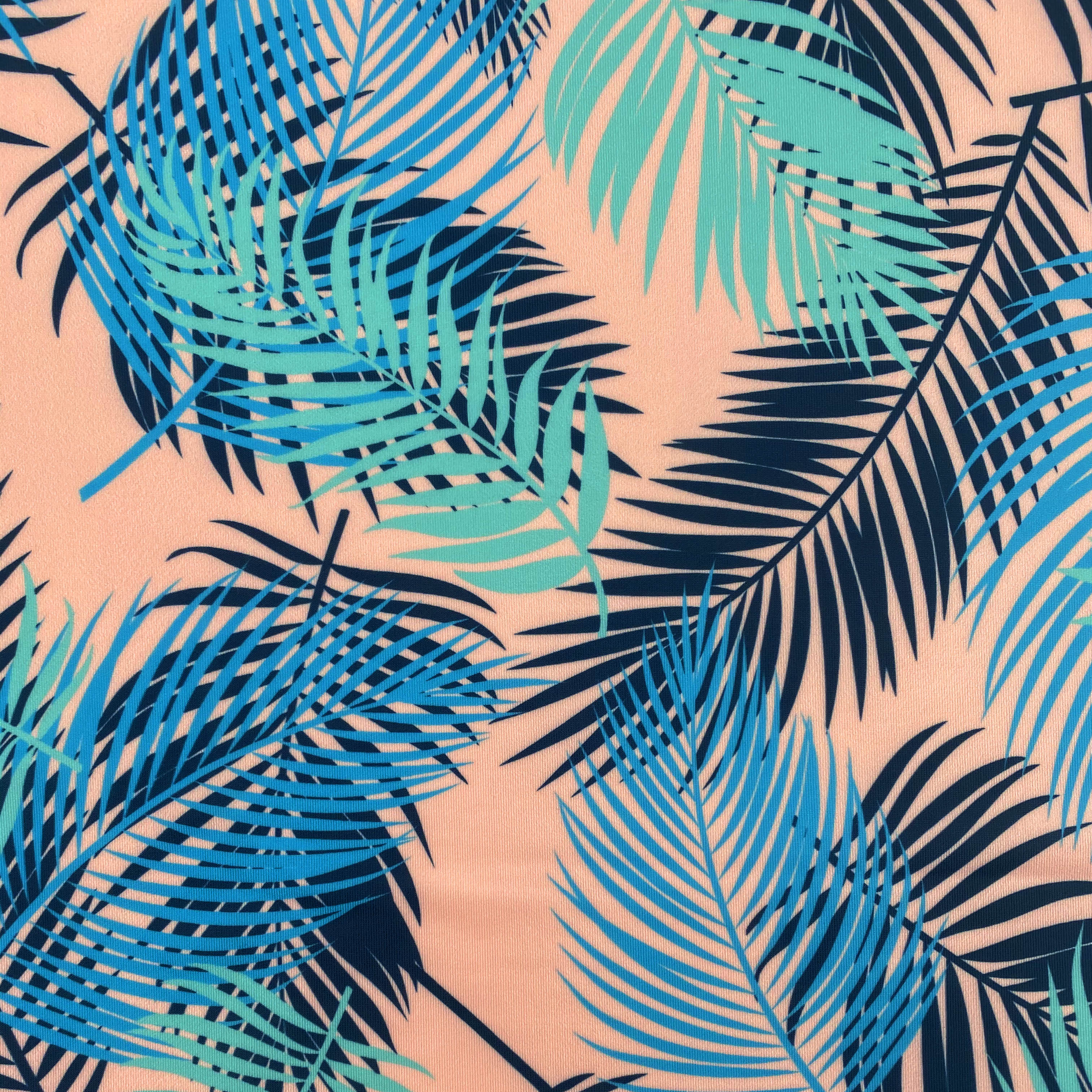
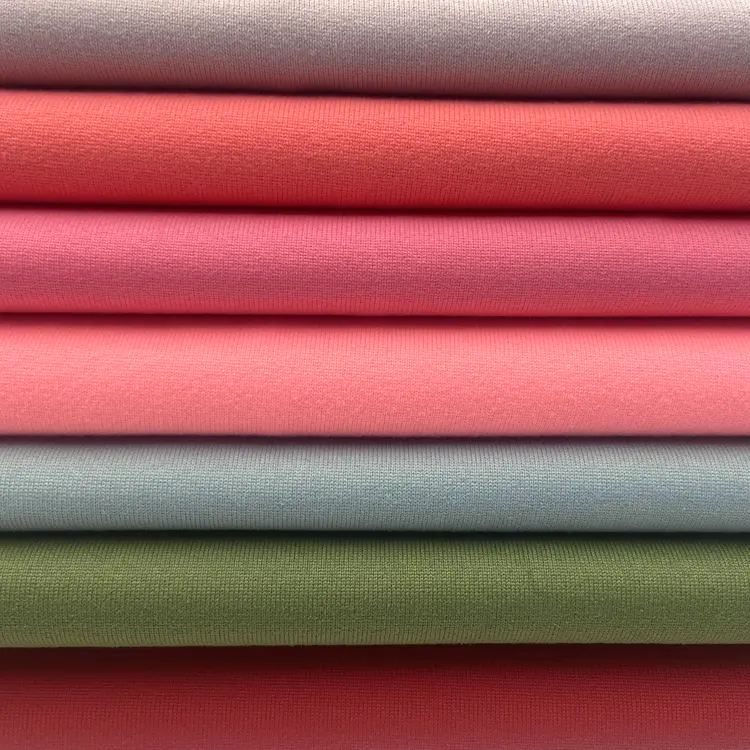
Global demand for polyester knit fabric has climbed steadily as apparel manufacturers, sportswear brands, and home textile producers look for a material that combines durability, elasticity, and cost efficiency. Built from polyester yarn using knitting techniques rather than weaving, this fabric structure creates interlocking loops that give it natural stretch, softness, and shape retention. That structural difference is the reason polyester knit fabric now appears across categories ranging from performance apparel to upholstery, and why sourcing teams are paying closer attention to how it is made and finished.
Polyester knit fabric is a synthetic textile material produced by interlocking loops of polyester yarn on a knitting machine, rather than interlacing threads at right angles as woven fabric does. This loop-based construction is what gives knitted fabric its characteristic stretch and drape. Polyester yarn itself is spun from polyethylene terephthalate fibers, prized for tensile strength and resistance to shrinking or stretching out of shape over repeated washes.
Polyester knitted fabric structure refers to any textile formed by continuous polyester yarn loops, producing a flexible, lightweight material used across clothing knitted fabric, sportswear, and home textile production.
Knitted fabric manufacturing lines can adjust loop density, yarn thickness, and machine gauge to produce everything from sheer mesh to dense double-knit material, which is part of why polyester knit fabric adapts to so many end uses without changing the base raw material.
Compared with cotton knits or woven synthetics, durable polyester fabric holds its shape through repeated stretching and machine washing. Buyers evaluating fabric options consistently cite five measurable advantages.
Polyester fibers withstand friction and repeated wear cycles better than natural fiber knits, extending garment lifespan in high-use apparel.
Machine washable at standard cycles, resists shrinking, and requires no special handling in bulk laundering operations.
Low moisture absorption means garments dry significantly faster than cotton blends, reducing production and retail turnaround time.
Lightweight knitted fabric retains its printed or dyed pattern and panel measurements after repeated wash-and-wear cycles.
The knit loop structure provides natural elasticity without requiring added spandex content in every construction.
Polyester sportswear fabric dominates the activewear category because moisture wicking polyester fabric moves sweat away from the skin to the outer surface, where it evaporates faster than it would through natural fibers. This single property is why performance apparel fabric built on polyester knit bases is standard for T-shirts, leggings, jerseys, and fitness apparel.
Breathable knit fabric constructions also allow air circulation through the loop structure, which is why jerseys and fitness apparel built on athletic textile materials continue to gain share against traditional woven sport fabrics.
Beyond sportswear, polyester home textile fabric has expanded into upholstery textile applications, bedding fabric, and general clothing knitted fabric production. Interior textile materials made from polyester knit bases hold color well under UV exposure near windows and resist pilling on high-contact surfaces such as sofa cushions.
Polyester jersey knit fabric, polyester interlock fabric, polyester rib knit fabric, polyester mesh fabric, and polyester jacquard knit fabric each result from a different loop configuration, which changes weight, stretch, and appropriate end use.
| Structure | Typical GSM | Primary Use |
| Jersey | 140-180 | T-shirts, casual apparel |
| Interlock | 180-240 | Dresses, structured garments |
| Rib | 160-220 | Cuffs, fitted activewear |
| Mesh | 90-140 | Sportswear ventilation panels |
| Jacquard | 200-260 | Patterned upholstery, fashion knits |
Recycled polyester knit fabric made from post-consumer PET bottles now accounts for a growing share of global polyester fiber output, as brands adopt circular textile economy sourcing targets.
Sustainable textile materials built on recycled PET fabric reduce reliance on virgin petroleum-based fiber while maintaining the same durability and easy-care properties as standard polyester knit. Eco friendly polyester fabric produced through mechanical recycling typically requires less water and energy per kilogram than virgin fiber production, which is why green textile production has become a sourcing priority rather than a niche request.
Base polyester knit fabric is frequently enhanced through polyester fabric finishing to add functional properties suited to specific end uses.
Applied to the fiber surface to accelerate sweat transport in performance apparel.
Reduces odor-causing bacteria growth, extending wear time between washes.
Blocks a measurable portion of ultraviolet transmission for outdoor apparel and interior textiles.
Adds a membrane or coating layer for outerwear and technical applications.
Mechanical or chemical softening improves hand-feel without reducing durability.
Fabric weight and GSM
Yarn quality and denier
Knitting structure type
Color consistency across dye lots
Customization capability
Determines drape, opacity, and suitable end use
Affects strength, pilling resistance, and hand-feel
Impacts stretch direction and recovery
Prevents mismatched panels in bulk production runs
Enables width, weight, and finish adjustments per order
Fabric composition documentation and quality control reporting during production runs help buyers confirm that delivered polyester knit fabric matches the agreed specification before cutting begins.
Global polyester textile market growth is increasingly tied to two forces: performance fabrics for sportswear expansion, and sustainable apparel materials for regulatory and brand-driven environmental targets.
Textile innovation in yarn engineering, functional finishing, and recycled fiber processing is expanding what polyester knit fabric can deliver, while customized textile solutions let manufacturers adjust weight, stretch, and finish for specific product lines rather than relying on generic stock fabric.
Polyester knit fabric is a textile formed by interlocking loops of polyester yarn, producing a stretchable, lightweight material used in apparel, sportswear, and home textiles.
Yes. It resists wrinkling, dries quickly, holds its shape after washing, and provides natural stretch, making it suitable for both casual and performance clothing.
Common applications include sportswear, T-shirts, leggings, upholstery, bedding, and curtain lining, depending on the knit structure and finishing applied.
Mesh and jersey knit structures allow air circulation through the loop construction, and moisture wicking finishes further improve breathability in performance fabrics.
Knit fabric is formed by interlocking loops, giving it natural stretch, while woven fabric is formed by threads crossing at right angles, producing a more rigid, less elastic material.
Recycled polyester made from post-consumer PET reduces virgin petroleum fiber use and typically requires less water and energy than producing new polyester fiber.

As Yitai, since 2004, we have manufactured sportswear knitted fabrics such as interlock fabric, nylon fabric, spandex fabric, polyester fabric etc. With excellent R&D group, marketing team, quality control system, experienced dyeing & finishing supporting facility and customer service system.
Haining Yitai Knitting Co., Ltd
No. 198 Canghai Road, Warp Knitting Zone, Haining City, Zhejiang, 314419, China Tel: +0086 135 6738 5757 Email: [email protected] [email protected] [email protected]FOLLOW US




 英语
英语 中文简体
中文简体