Article Directory
Every fabric buyer in the sportswear and activewear sectors sees the same reality: polyester knits carry nearly 60% of all performance garment applications, yet the technology behind them is shifting faster than most sourcing teams can follow. Haining Yitai Knitting Co., Ltd, a knit fabric manufacturer operating since 2004, witnesses this transformation firsthand. The polyester knit fabrics of 2026 look nothing like the materials that dominated the market ten years ago, and the next wave of change is already underway.
Recycled polyester has stopped being a marketing differentiator and has become a procurement baseline for sportswear, swimwear, and underwear segments.
Recycled polyester (rPET) is a yarn made by melting and re-extruding recovered PET material, typically from post-consumer bottles or post-industrial fiber waste, into new polyester filament that meets the same strength and dyeability standards as virgin fiber.
Brands are setting recycled content targets for their activewear lines. The shift is moving from blending small percentages of recycled fiber to fully recycled constructions in base layers, jerseys, and swimwear. The cost gap between recycled and virgin polyester has narrowed significantly. As scale increases and recycling technologies improve, rPET filament is approaching price parity with virgin fiber in many markets.
Recycled polyester is also influencing the entire polyester industry chain, from raw material suppliers to recyclers.
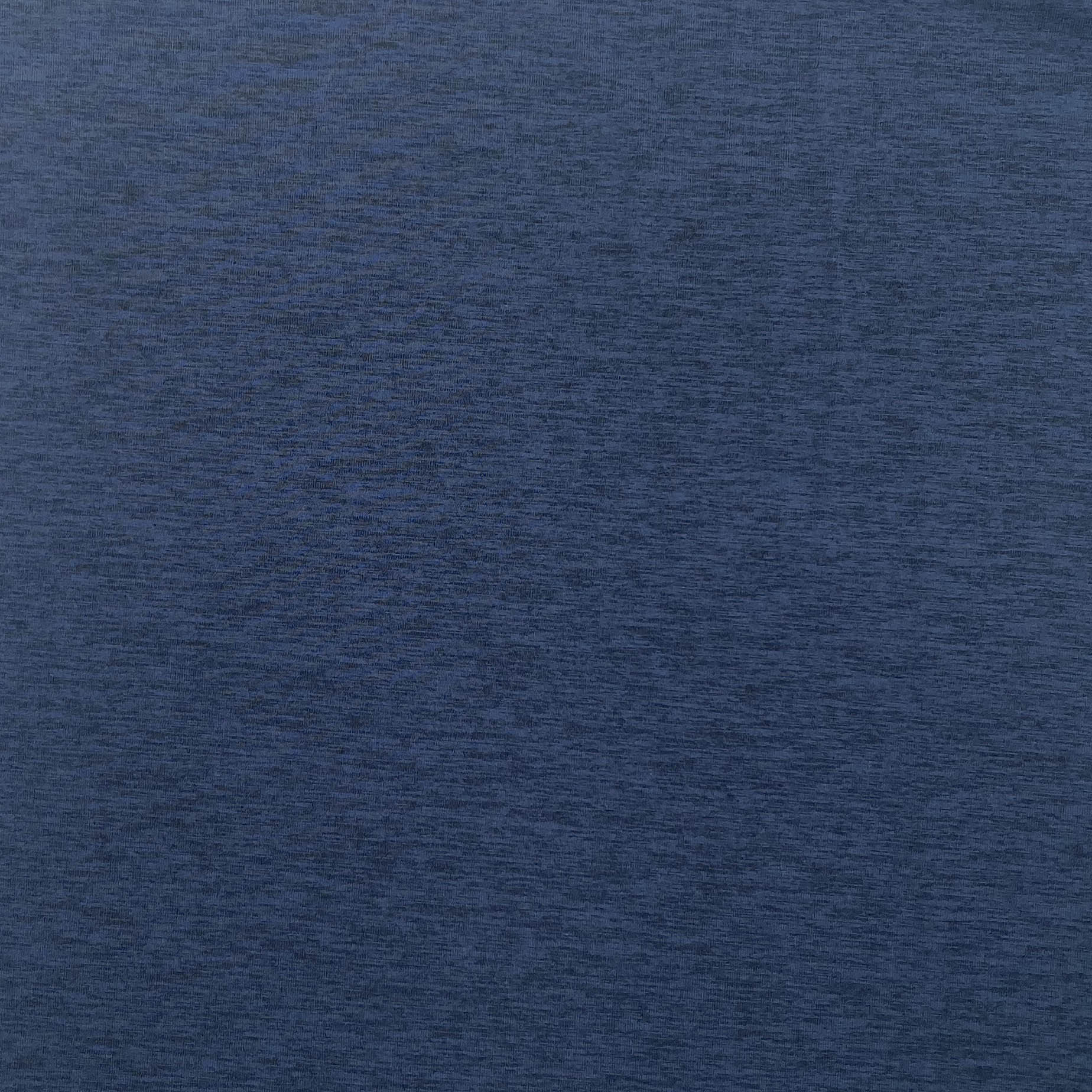
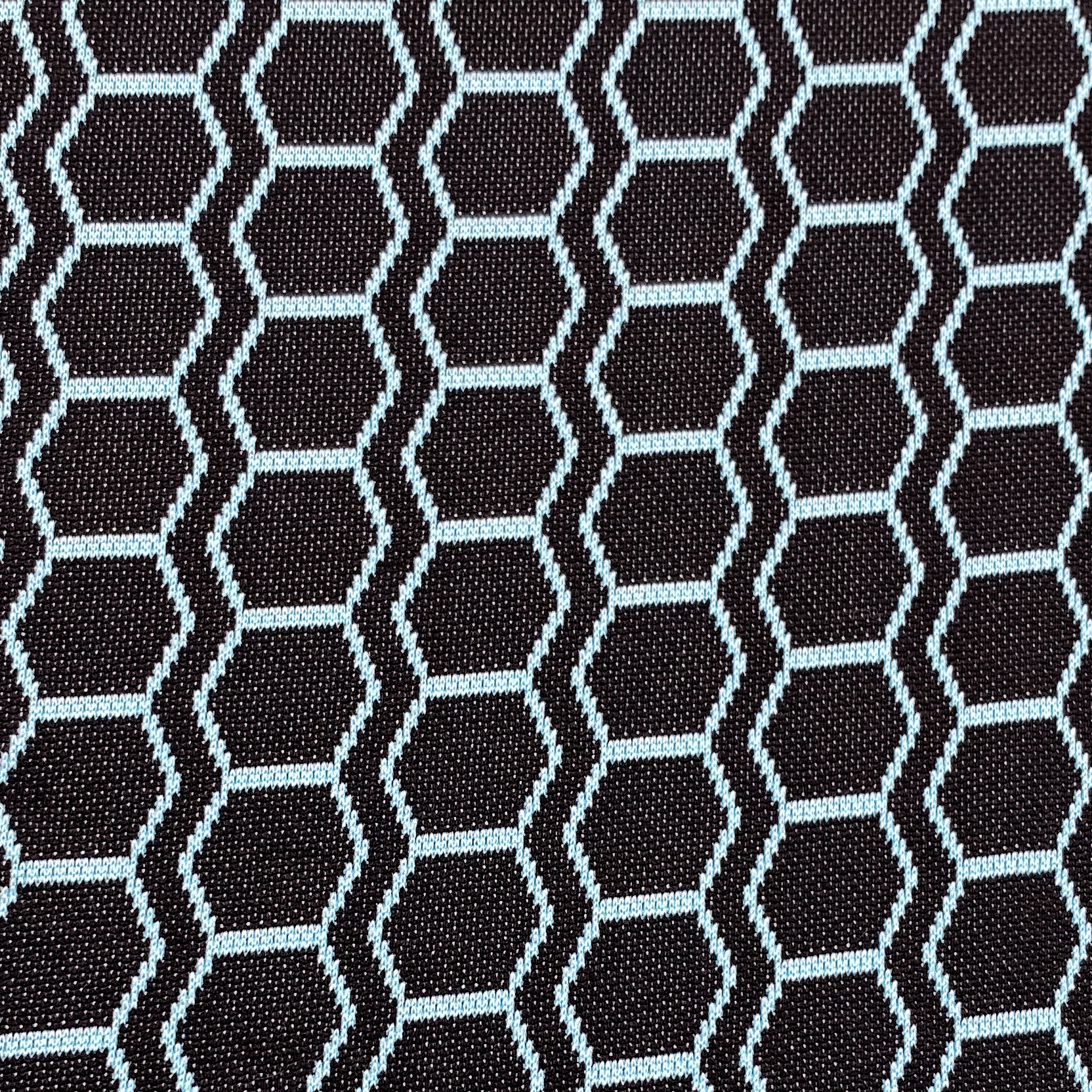 100% Recycled Polyester Honeycomb Fabric 150gsm 170cmThis 150gsm honeycomb knit is made entirely from recycled polyester, offering breathability and moisture control. Its stable structure suits activewear and athletic apparel, making it a sustainable choice for performance garments.View Product →
Moisture control, thermal regulation, and UV shielding have moved from premium add-ons to core specification requirements in performance knit buying.
Quick-dry finishing now relies on capillary structure geometry rather than chemical coating alone. Advanced yarn cross-sections channel moisture away from the skin, and the fabric dries within 20 to 30 minutes after a workout.
UPF 50+ and 30-minute dry time have become purchase criteria for activewear sourcing teams, not optional extras.
Beyond performance, these smart functions increase the lifespan of the garment, reducing total cost of ownership for consumers and supporting the sustainability narrative of brands. Polyester offers inherent advantages that make these functions durable, but it also has limits. Understanding the full picture of its advantages and disadvantages helps buyers make better sourcing choices.
 Black Quick Dry Fabric for Performance KnitwearDesigned for rapid moisture evaporation, this black quick dry fabric enhances comfort and extends garment life. Its functional properties align with the growing demand for durable, low-maintenance performance textiles.View Product →
The next wave of polyester knit innovation focuses on what happens after the garment is worn out, not just how it performs in use.
Mono-material knits constructed entirely from polyester without nylon, spandex, or other polymers are becoming a design standard for recyclability. This eliminates the need to separate components before recycling.
Chemical depolymerization is now capable of breaking down colored and printed polyester back to its original monomers, addressing the color contamination problem that historically blocked textile recycling.
Several European sportswear brands are already producing mono-material polyester knit garments designed for return to the recycling stream. This forces suppliers to control fiber blends with greater precision and document material composition for every batch.
Design for recyclability removes one critical barrier: a garment that can be recycled as a single material stream instead of being separated into components.
Sublimation digital printing on polyester knits has replaced rotary screen printing in a significant share of small-to-mid volume production, and the gap is widening.
Digital printing requires no water for color application and cuts turnaround times from weeks to days. For swimwear and activewear patterns that change seasonally, this is a decisive advantage.
Blockchain-based verification systems now allow brands to trace recycled content from bottle collection to final fabric, making sustainability claims auditable. For polyester knitted fabric producers, this means investment in digital printing equipment, color management software, and data integration capabilities are becoming as critical as knitting machinery itself.
Polyester knitted fabrics are now engineered down to the stitch level for their end use, not just by fiber content or weight.
A running jersey demands a dense single jersey with high recovery and quick dry performance. A swimsuit requires a compact interlock with chlorine resistant fibers and UPF protection. Underwear needs a skin-friendly plated construction that keeps moisture away from the body.
| Application | Key Polyester Knit Properties | Typical GSM Range |
| Activewear | Moisture wicking, 4-way stretch, breathability | 150-240 GSM |
| Swimwear | Chlorine resistance, colorfastness, sun protection | 180-280 GSM |
| Underwear | Skin-friendly softness, moisture management | 130-200 GSM |
For each of these verticals, a supplier needs yarn-level knowledge, dyeing expertise, and garment fit understanding. That is what separates a fabric supplier from a knit development partner. Haining Yitai Knitting Co., Ltd applies this engineering philosophy across its fabric categories, from activewear to swimwear and underwear.
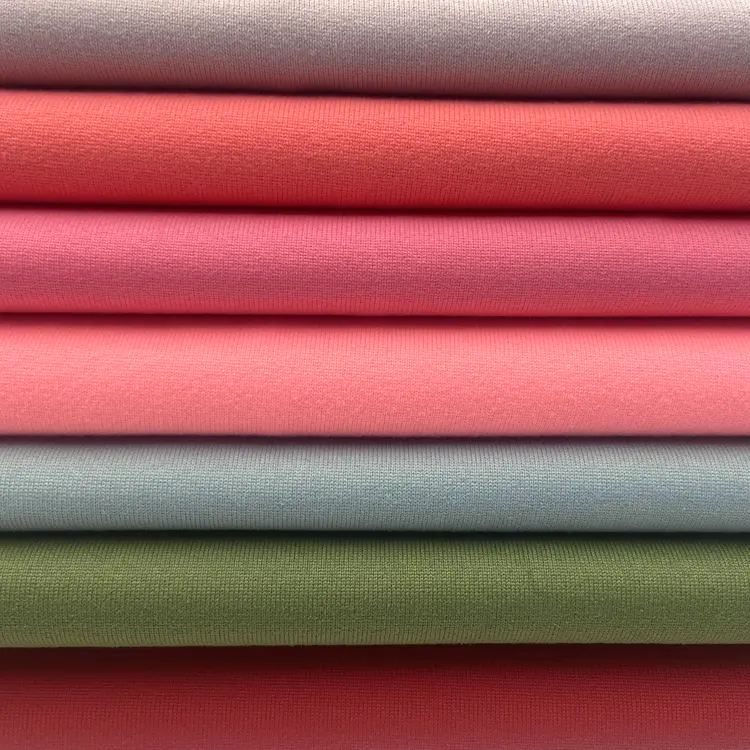
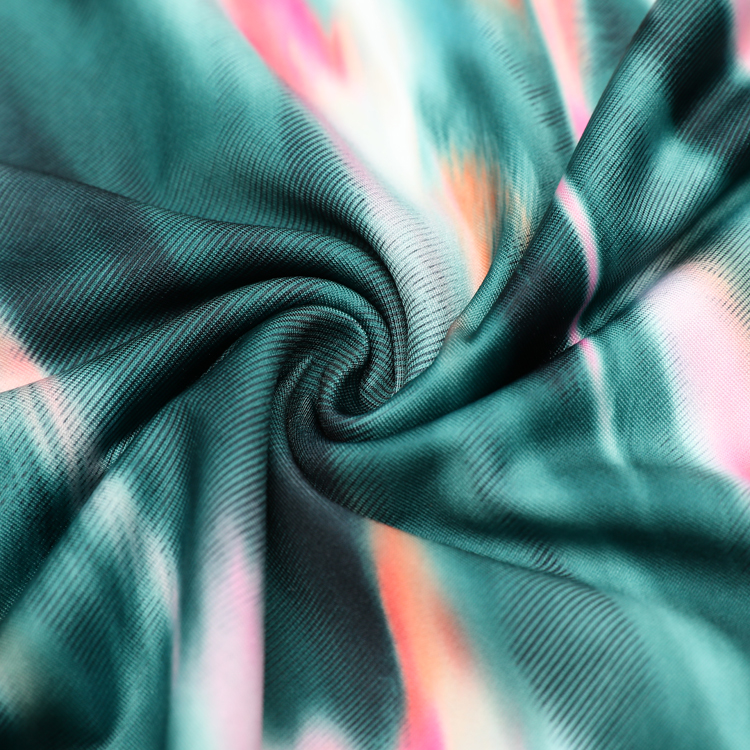 Recycled Jersey Fabric with Versatile ApplicationThis recycled jersey combines sustainability with softness and versatility, suitable for activewear, swimwear, and underwear. It supports the shift toward closed-loop design and recycled content in performance fabrics.View Product →
The three most significant trends are recycled content becoming standard in performance fabrics, intelligent moisture and thermal regulation engineered at yarn level, and design-for-recyclability that enables closed-loop recovery.
Recycled polyester shifts procurement from virgin petroleum-based fiber to a circular model where post-consumer bottles and industrial waste become high-quality yarn. This reduces the carbon footprint of polyester fiber production by up to 70% compared to virgin manufacturing while meeting the same performance standards.
Polyester knits already dominate performance sportswear due to durability, quick-drying behavior, and stretch recovery, but natural fibers still own a sizeable share in comfort-oriented segments. The future is not full replacement but hybrid constructions that combine the strengths of both.
Look for verified recycled content certification, laboratory testing capability for quick-dry and UPF performance, dyeing and finishing facilities in-house, and the ability to produce application-specific fabric constructions. A supplier with a dedicated R&D team and integrated quality control can significantly reduce sourcing risk.

As Yitai, since 2004, we have manufactured sportswear knitted fabrics such as interlock fabric, nylon fabric, spandex fabric, polyester fabric etc. With excellent R&D group, marketing team, quality control system, experienced dyeing & finishing supporting facility and customer service system.
Haining Yitai Knitting Co., Ltd
No. 198 Canghai Road, Warp Knitting Zone, Haining City, Zhejiang, 314419, China Tel: +0086 135 6738 5757 Email: [email protected] [email protected] [email protected]FOLLOW US




 英语
英语 中文简体
中文简体