Article Directory
A 50,000-meter reorder of recycled polyester interlock can show a two-shade dye shift between dyelots, while the same knit structure in virgin polyester rarely crosses one shade. For knit fabric buyers and garment developers, that consistency gap, not the recycled label, is what actually drives the sourcing decision.
Recycled polyester knit fabric is a textile made by re-polymerizing post-consumer PET flake or industrial yarn waste, then spinning the new filament yarn and knitting it into interlock, single jersey, mesh, or fleece structures.
That process starts with collected bottles or fiber waste, which is shredded into flake, melted into chips, and re-spun into yarn. Because the feedstock is a blend of sources, the polymer has a wider molecular weight distribution than virgin polyester. This molecular spread changes dye uptake, tensile behavior, and lot-to-lot repeatability.
Core definition: Recycled polyester knit fabric is a performance textile made from filament yarns re-spun from post-consumer or post-industrial PET feedstock and knitted into structures such as interlock, single jersey, and mesh.
About 14.9% of global polyester production in 2023 used recycled feedstock, while recycled filament yarn still carries a 5-10% price premium over virgin fiber.
The sustainability angle is attractive: every ton of recycled yarn consumes roughly 10,000 bottles, and energy savings can reach half of the virgin process. But those figures only hold when the reprocessing chain is actually closed-loop.
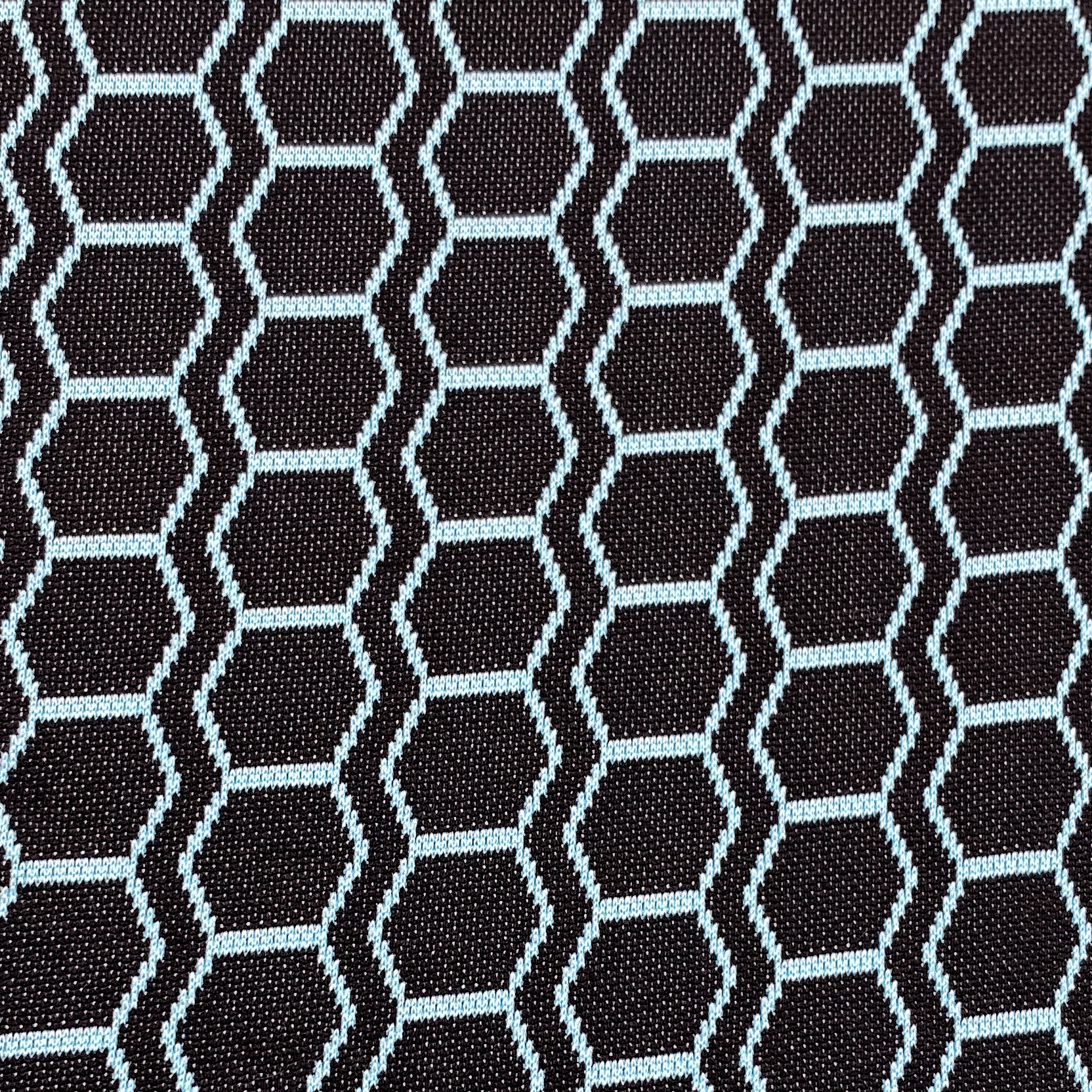 Recycled Polyester Honeycomb Fabric for Breathable ActivewearThis 150gsm recycled polyester fabric features a honeycomb knit structure, offering breathability and moisture management. Its stability and sustainable sourcing make it a practical choice for performance apparel.View Product →
In practice, this means a knitter like Haining Yitai Knitting Co., Ltd. must treat recycled polyester as a distinct material system, not simply as a drop-in replacement for virgin yarn.
The performance gap between recycled and virgin polyester knit fabric is real but manageable: recycled fiber typically runs 3-8% lower in breaking strength and shows more dye batch variance, while moisture wicking and UV performance stay equal.
These differences matter most in high-stretch activewear and abrasion-heavy garments. When elastane is added to the knit, the recycled polyester base carries slightly less tensile load, which affects recovery over many wash cycles.
| Metric | Recycled Polyester | Virgin Polyester | Practical Note |
| Breaking strength | 92-97% of virgin | Baseline | Lower seam strength in stretch zones |
| Color consistency | Moderate dyelot variation | Highly uniform | Requires tighter shade bands |
| Elastic recovery (with elastane) | 92-96% | 94-98% | Long-term stretch retention |
| Pilling resistance | Martindale 3-4 | Martindale 4-5 | Faster surface fuzz in abrasion zones |
| Moisture wicking | Comparable | Comparable | No measurable difference in knit |
Color consistency is the main quality risk. The heterogeneous molecular weight of recycled chips changes the rate of dye uptake, so the same dye recipe can produce two shades in separate dyelots. A mill with in-house dyeing and finishing support can manage this by grouping recycled fiber by inherent viscosity and running narrower shade bands.
For a broader look at the raw material properties, see the main advantages and limitations of polyester fabrics before committing to a standard.
Recycled polyester knit fabric reduces energy use and process water during yarn production, but those claims are only credible when the supply chain is certified.
Brands that claim recycled content on a label without a chain-of-custody document expose themselves to compliance risk in markets that require substantiated environmental claims.
A useful reference point is recent recycled versus virgin knit fabric strength testing, which shows the exact tensile margins in stretch fabric applications.
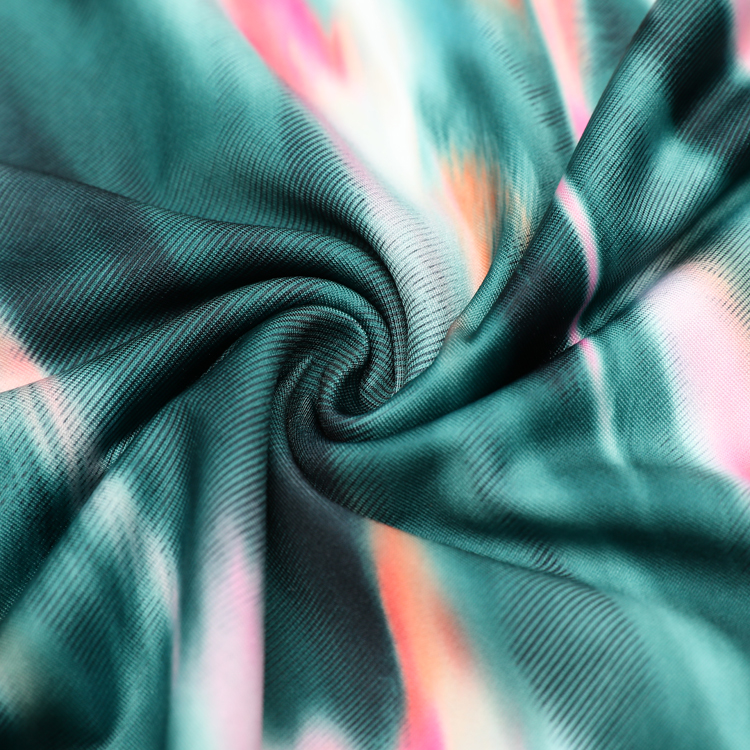 Recycled Jersey Knit Fabric for Consistent PerformanceA recycled jersey fabric from the Magic Woods line, notable for its material consistency. Suitable for applications where supply reliability and dye-lot tolerance are as important as tensile strength.View Product →
Unit price is not the deciding factor between recycled and virgin polyester knit fabric; supply consistency and dye-lot tolerance are.
A sourcing decision between recycled and virgin polyester is rarely a simple price comparison; it is a supply chain capability decision.
A sourcing team should follow this checklist when evaluating recycled knit fabric:
Choose virgin polyester for programs that demand strict color continuity across repeated orders; choose recycled polyester when the brand story depends on a verifiable sustainability commitment.
For performance activewear where color assortments are reordered season after season, virgin polyester offers a smoother path. For a brand launching a circular narrative, recycled knit fabric can reach the same physical standards when the mill controls the variables. Black recycled fabrics, for example, are a common workhorse for activewear basics because deep shades mask minor fiber irregularities.
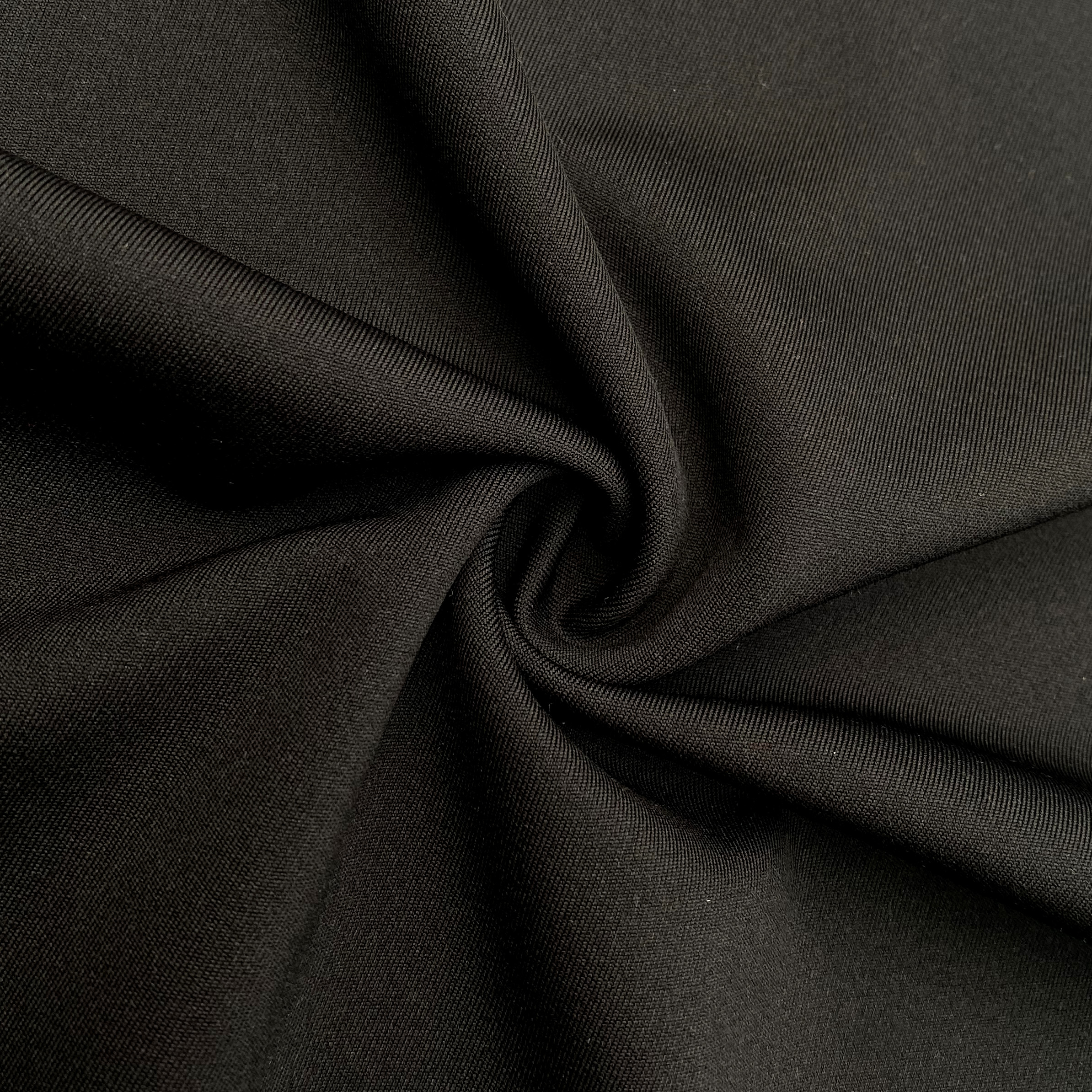 Black Recycled Fabric for Activewear EssentialsA black recycled polyester fabric, commonly used in activewear basics because dark shades conceal fiber irregularities. It provides a solid option for circular design narratives with minimal strength trade-offs.View Product →
Yes with a small margin. In most cases, recycled polyester knit fabric is 3-8% lower in breaking strength. For moderate activewear and casual clothing this rarely shortens wear life, but high-stretch garments need an engineered knit construction to compensate.
Yes. Life cycle comparisons show 33-53% lower energy use and 20-30% less process water for recycled filament yarn compared with virgin polyester. Exact numbers depend on the recycling process and yarn supplier.
Yes, with tighter process control. The best approach is to run recycled fiber as a dedicated batch and use conservative shade bands. Mills with in-house dyeing and finishing handle this routinely.
The premium is usually 5-10% per kilogram. The gap narrows as demand grows, and some knit suppliers now offer certified recycled polyester with a smaller surcharge.

As Yitai, since 2004, we have manufactured sportswear knitted fabrics such as interlock fabric, nylon fabric, spandex fabric, polyester fabric etc. With excellent R&D group, marketing team, quality control system, experienced dyeing & finishing supporting facility and customer service system.
Haining Yitai Knitting Co., Ltd
No. 198 Canghai Road, Warp Knitting Zone, Haining City, Zhejiang, 314419, China Tel: +0086 135 6738 5757 Email: [email protected] [email protected] [email protected]FOLLOW US




 英语
英语 中文简体
中文简体