Article Directory
Selecting the right fabric for garment production requires understanding the distinct performance characteristics of different materials. Polyester Knit Fabric vs Cotton Fabric represents a fundamental choice in apparel manufacturing, with each option delivering different advantages across comfort, durability, moisture management, and sustainability considerations.
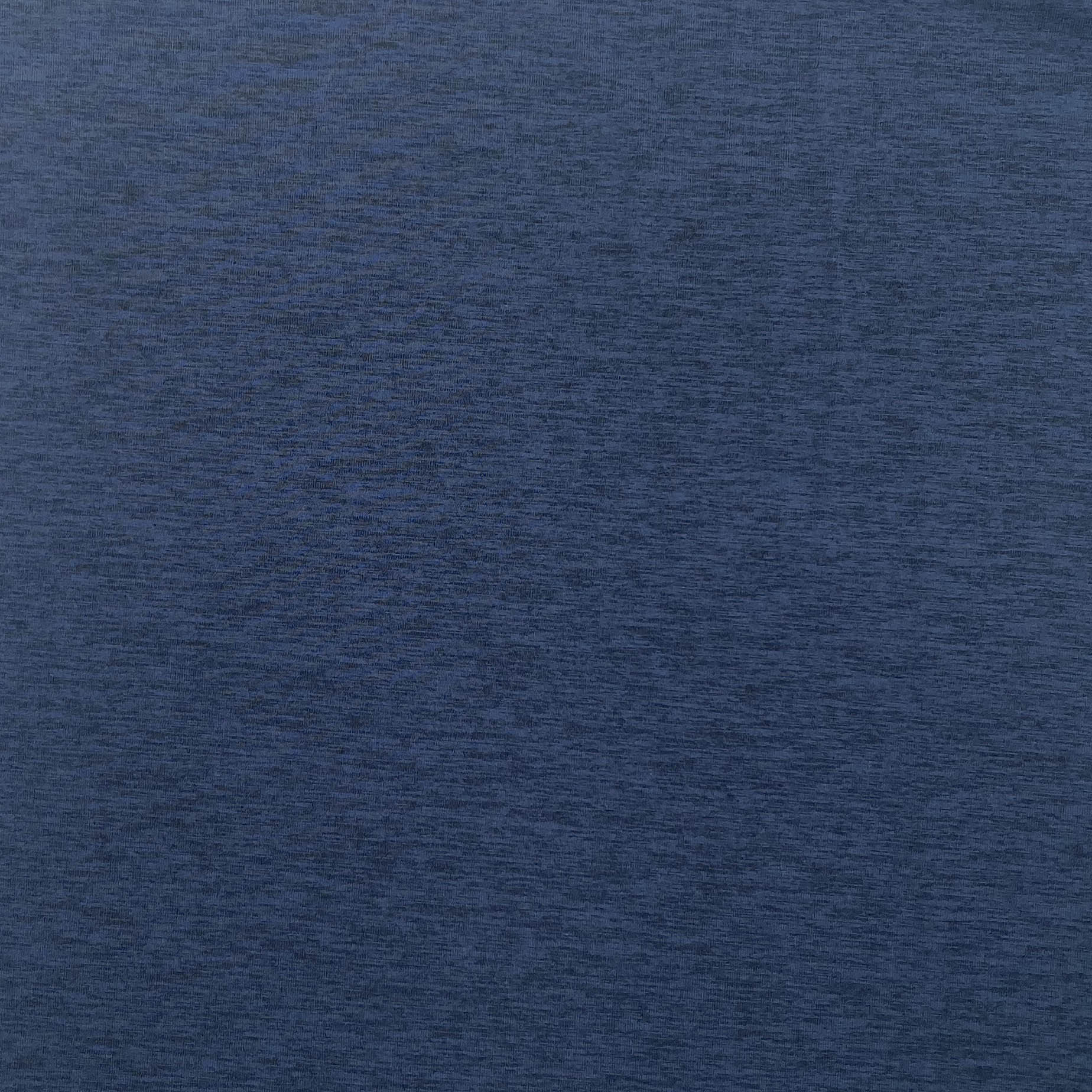
Polyester Knit Fabric is a synthetic knitted textile featuring flexible loop structures that provide superior stretch, quick moisture transfer, and excellent shape retention. Cotton Fabric, by contrast, is a natural fiber renowned for inherent breathability, softness, and moisture absorption characteristics.
Both materials serve distinct roles in modern garment manufacturing. The choice between them depends on the final application, performance requirements, and manufacturing constraints. Understanding these differences empowers apparel producers to optimize product quality and market competitiveness.
Polyester knit fabrics excel in moisture management through their synthetic fiber structure, which resists water absorption. Water-repellent finishes enhance this advantage further. In contrast, cotton fibers absorb moisture readily, which proves beneficial in dry environments but creates challenges in active-wear scenarios where extended moisture retention can compromise comfort and performance.
For garment manufacturers targeting performance markets, polyester knit fabric's quick-drying capability translates to faster production cycles and reduced energy costs in finishing processes.
| Durability Factor | Polyester Knit Fabric | Cotton Fabric |
| Tensile Strength | High resistance to tearing | Moderate strength with potential for weakening when wet |
| Shrinkage Resistance | Minimal shrinkage after washing | Prone to 3-5% shrinkage depending on finish |
| Color Retention | Excellent color stability through repeated washing | May require careful dyeing techniques for color consistency |
| Wrinkle Formation | Self-recovers from wrinkles naturally | Requires ironing after washing |
| Shape Stability | Maintains original dimensions consistently | Can distort with repeated washing and drying |
| Pilling Resistance | Lower pilling tendency with quality construction | Higher pilling tendency, especially in high-friction areas |
Polyester knit fabrics dominate performance apparel markets due to their moisture-wicking efficiency, lightweight construction, and stretch compatibility. Running apparel, training wear, and outdoor sportswear rely on polyester's ability to transfer sweat rapidly while maintaining structural integrity through intense movement.
The quick-drying characteristic proves essential in field conditions where garments must dry quickly to prevent discomfort and maintain performance during extended activities.
Cotton fabric and polyester-cotton blends remain preferred for everyday casual clothing, where natural softness and breathability enhance wearer comfort during relaxed activities. The natural feel and skin-friendly properties make cotton ideal for basic t-shirts, casual shirts, and everyday apparel.
Many manufacturers balance properties by using 65/35 or 50/50 polyester-cotton blends, combining cotton's comfort with polyester's durability and easy-care characteristics.
Environmental impact assessment requires evaluating both material sourcing and production processes. Traditional polyester's petroleum base raises sustainability concerns, but recycled polyester options address these through textile waste recovery. Cotton's natural renewability is offset by high water consumption and agricultural inputs, though organic certification programs provide verified sustainability options.
Forward-thinking apparel manufacturers evaluate both material options against their sustainability commitments and supply chain capabilities.
Many modern apparel manufacturers recognize that Polyester Knit Fabric vs Cotton Fabric decisions need not be binary. Strategic fabric blends combine advantages of both materials:
Blend selection depends on specific application requirements, production capabilities, and target market expectations regarding comfort, performance, and price point.
Garment manufacturers should evaluate fabric selection through a systematic decision framework:
Define Application Requirements: Clarify end-use performance needs including moisture management, durability, stretch, and comfort specifications.
Assess Target Market Expectations: Evaluate consumer preferences for natural versus synthetic fibers, maintenance requirements, and sustainability values.
Evaluate Supply Chain Capabilities: Consider fabric availability, supplier consistency, cost efficiency, and production processing requirements.
Balance Performance vs. Cost: Determine acceptable trade-offs between material performance, manufacturing efficiency, and final product pricing.
Test and Validate: Conduct sample production and performance testing to confirm fabric selection meets all requirements before full-scale implementation.
Polyester knit fabrics generally provide similar warmth to cotton, but their moisture-wicking properties can make them feel cooler when absorbing and transferring sweat. Cotton retains moisture longer, which can create a heavier, warmer sensation when damp.
Quality polyester knit fabrics are skin-safe when produced with appropriate finishing treatments. Microfiber polyester options provide softness comparable to cotton while maintaining performance benefits. Individual skin sensitivity varies, making pre-production testing advisable.
Polyester knit fabrics typically cost 15-30% less than equivalent quality cotton due to lower production costs and consistent supply. However, blended fabrics and specialty finishes can modify pricing significantly.
Blend advantages depend on application. For performance-focused apparel, higher polyester percentages optimize moisture management. For casual comfort-oriented garments, balanced blends or higher cotton percentages better serve consumer expectations.
Conduct wash durability testing, moisture retention assessment, shrinkage evaluation, and wear resistance trials. Perform consumer wear testing for target applications to verify comfort and performance expectations before production commitment.

As Yitai, since 2004, we have manufactured sportswear knitted fabrics such as interlock fabric, nylon fabric, spandex fabric, polyester fabric etc. With excellent R&D group, marketing team, quality control system, experienced dyeing & finishing supporting facility and customer service system.
Haining Yitai Knitting Co., Ltd
No. 198 Canghai Road, Warp Knitting Zone, Haining City, Zhejiang, 314419, China Tel: +0086 135 6738 5757 Email: [email protected] [email protected] [email protected]FOLLOW US




 英语
英语 中文简体
中文简体