Article Directory
In the high-performance textile industry, transitioning to sustainable materials requires a deep understanding of polymer science and mechanical engineering. Developing a successful collection using eco friendly swimwear fabric is not merely about sourcing recycled fibers; it is about balancing GSM (grams per square meter), modulus of elasticity, and recovery power. Founded in 2004, Haining Yitai Knitting Co., Ltd has evolved into a premier supplier of performance textiles. With over 15 years of R&D expertise, we focus on "intelligence creation and high quality" rather than low-cost output. Choosing the right eco friendly swimwear fabric involves analyzing how fiber denier and knit density impact the garment's performance in aquatic environments. This guide examines the technical parameters necessary for sustainable swimwear fabric sourcing that meets professional standards.
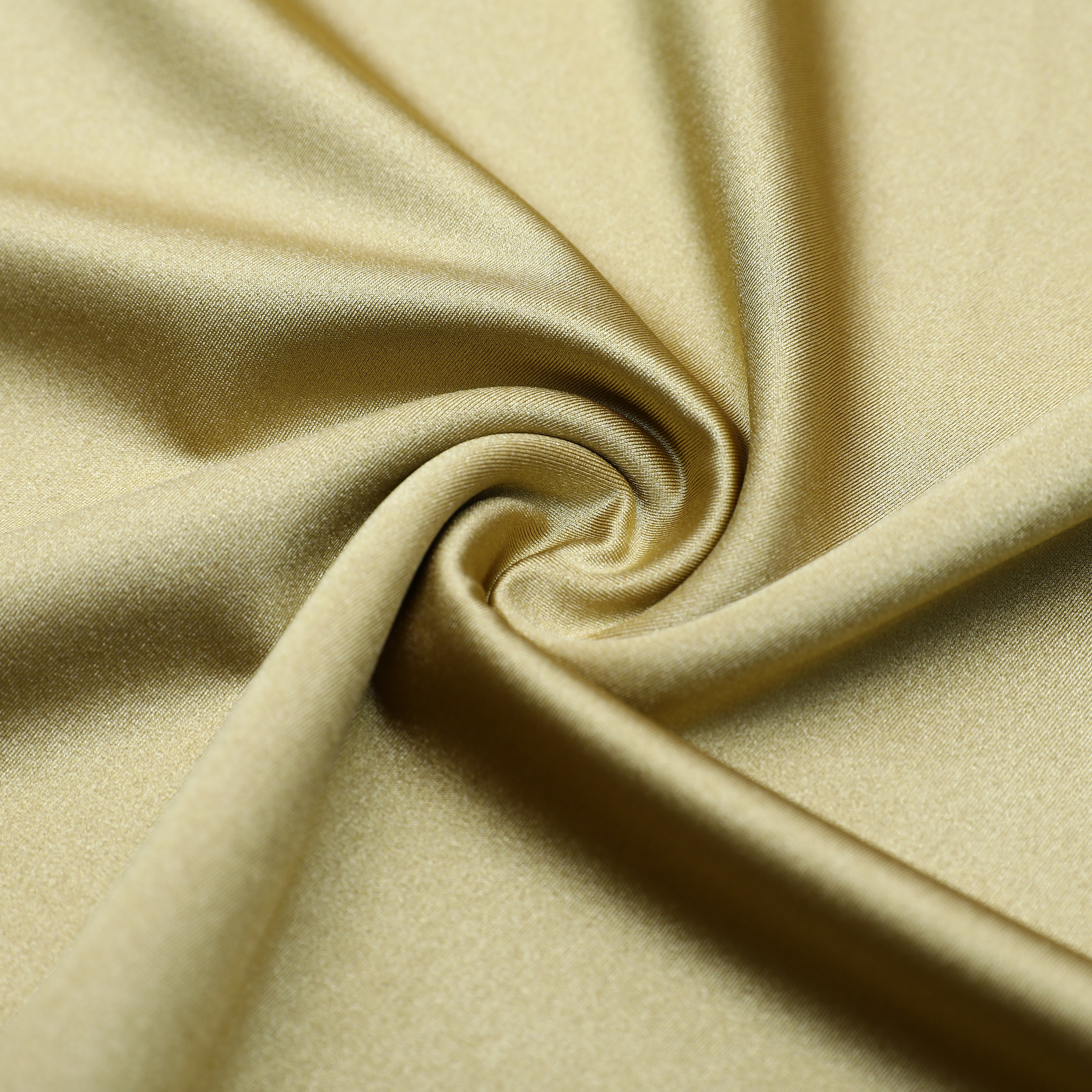
The weight of the fabric, measured in GSM, determines the opacity, hand-feel, and compression of the swimwear. For high-performance athletic wear, choosing gsm for swimwear fabric is a critical step in the design process. Lightweight fabrics offer agility but may lack the "holding power" required for competitive swimming. When comparing recycled polyester vs nylon swimwear fabric in terms of weight, nylon tends to be softer and more flexible, while polyester provides superior chlorine resistant eco swimwear fabric properties and dimensional stability. At Haining Yitai, we recommend wholesale eco friendly swimwear textiles with a weight range of 180-250 GSM for premium collections, as this provides a balance between breathability and structural integrity.
| Weight Class | Typical Application | Mechanical Advantage |
| 180 GSM | Resort Wear / Bikinis | High breathability; fast drying. |
| 220 GSM | Professional Competition | High modulus; excellent muscle compression. |
| 250 GSM | Sculpting / Shapewear | Maximum opacity and silhouette control. |
Stretch is defined by the percentage of elongation and the speed of recovery. Most modern collections require 4-way stretch eco swimwear materials, which allow the garment to expand both crosswise and lengthwise, accommodating a wide range of body types. Calculating swimwear fabric stretch percentage is vital; for instance, a 70% stretch with 95% recovery ensures the suit retains its shape after repeated use. When evaluating spandex vs elastane in eco fabrics, the quality of the polymer determines the upf 50 eco friendly swimwear fabric's ability to resist degradation from UV rays and salt water. At Yitai, we integrate advanced dyeing and finishing to ensure our recycled plastic swimwear fabric maintains its "spring-back" force throughout the garment's lifecycle.
Longevity is the ultimate form of sustainability. How to test swimwear fabric durability involves checking for pilling resistance, colorfastness to chlorinated water, and sea salt exposure. Biodegradable swimwear fabric options are emerging, but currently, high-quality recycled polyamides offer the best balance of performance and footprint. Our quality control system ensures that every yard of eco friendly swimwear fabric produced in our Haining facility satisfies the global trend towards high-quality supporting services and intelligence creation. This focus on "high quality" over "cheap prices" allows Yitai to provide best sustainable fabrics for high performance swimwear that actually last through multiple seasons.
| Resilience Factor | Standard Synthetic Fabric | High-Quality Eco Swimwear Fabric |
| Chlorine Resistance | Moderate (Fibers degrade/yellow) | High (Enhanced with specialized finishes) |
| UV Protection | Varies | Certified upf 50 eco friendly swimwear fabric |
| Pilling Resistance | Average (Grade 2-3) | Superior (Grade 4-5) |
Selecting the right eco friendly swimwear fabric is an engineering commitment to the planet and the consumer. By meticulously choosing gsm for swimwear fabric and ensuring high-recovery 4-way stretch, designers can create collections that are both beautiful and functional. Haining Yitai Knitting Co., Ltd remains dedicated to the "customers come first" philosophy, bridging 15 years of technical expertise with the future of sustainable textile intelligence. We invite you to join us on the world stage as we continue to change lives through high-quality, eco-conscious performance fabrics.
Most commercial brands use between 180 and 200 GSM for standard pieces. However, for luxury or "tummy-control" collections, a weight of 220-250 GSM is preferred for better opacity and support.
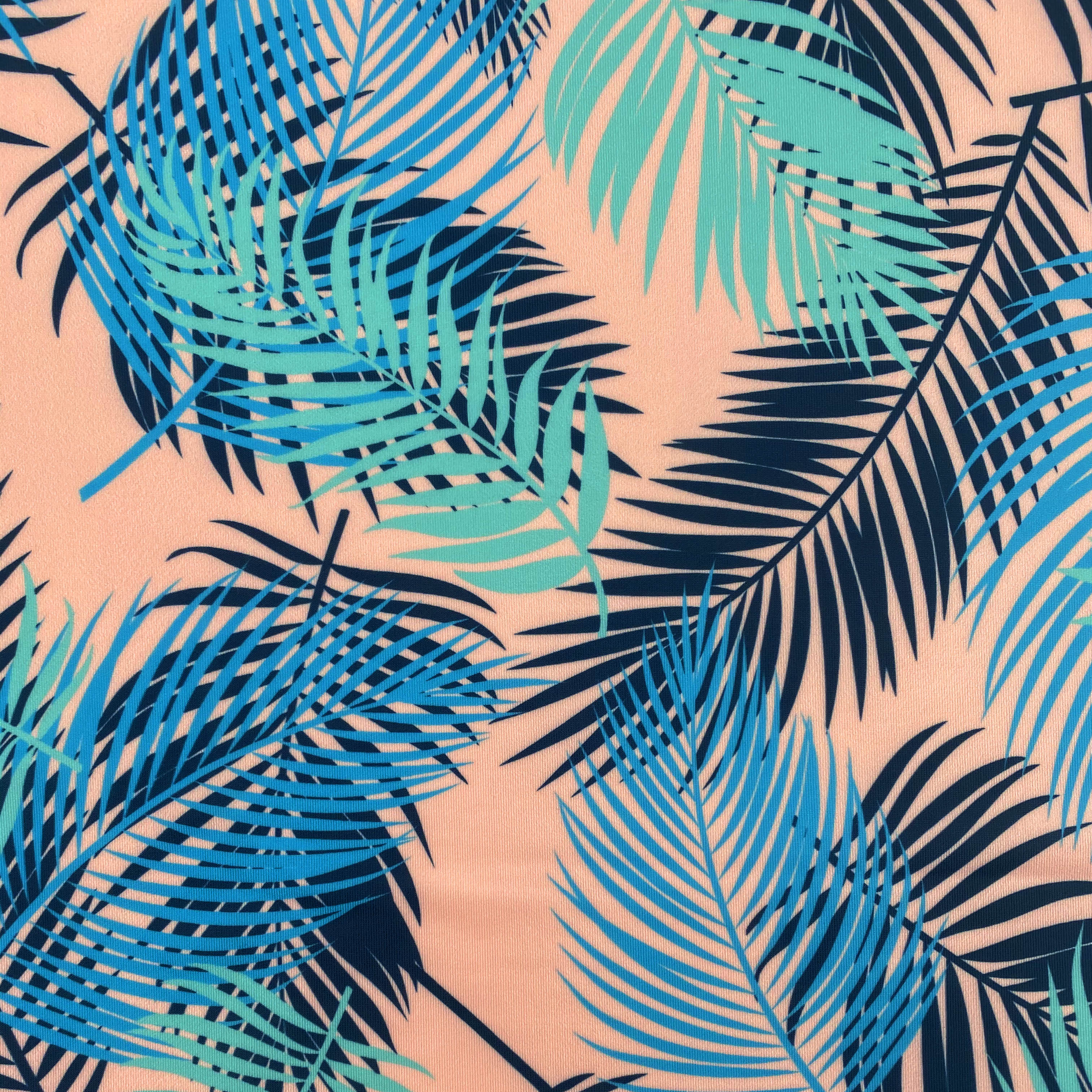
Recycled polyester is generally superior for custom eco friendly swimwear prints using sublimation techniques, as it yields more vibrant colors and higher detail. Nylon is often better for solid-dyed luxury pieces due to its softer hand-feel.
The key is "Recovery Power." Look for fabrics with a high percentage of premium elastane (15-22%) and ensure the manufacturer uses high-tension knitting machines to provide a dense, stable structure.
Perform a "Stretch and Recovery" test by marking a 10cm square, stretching it to its limit for one minute, and measuring how much it returns to 10cm after release. Anything over 10.2cm indicates poor recovery.
Currently, most biodegradable options are in the prototype or niche stage. While they offer good stretch, their chlorine resistant eco swimwear fabric properties often fall short of recycled nylon or polyester counterparts.

As Yitai, since 2004, we have manufactured sportswear knitted fabrics such as interlock fabric, nylon fabric, spandex fabric, polyester fabric etc. With excellent R&D group, marketing team, quality control system, experienced dyeing & finishing supporting facility and customer service system.
Haining Yitai Knitting Co., Ltd
No. 198 Canghai Road, Warp Knitting Zone, Haining City, Zhejiang, 314419, China Tel: +0086 135 6738 5757 Email: [email protected] [email protected] [email protected]FOLLOW US




 英语
英语 中文简体
中文简体