Article Directory
The global textile industry is undergoing a paradigm shift where performance is no longer measured solely by stretch and recovery, but by environmental footprint. For designers and B2B procurement specialists, selecting an eco friendly swimwear fabric requires a deep understanding of polymer science and supply chain transparency. Haining Yitai Knitting Co., Ltd, founded in 2004, has spent over two decades mastering the art of high-quality performance knitting. By moving beyond high-volume, low-cost production, we focus on "intelligence creation" to deliver high-quality, sustainable textile solutions that meet the rigorous demands of the modern global market.
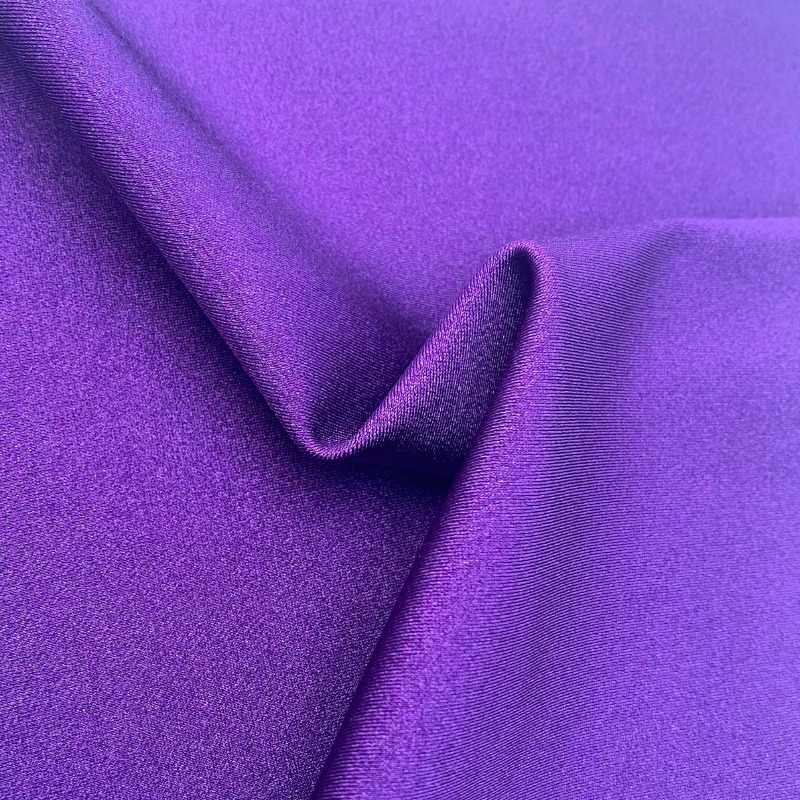
A truly sustainable fabric must address the entire lifecycle—from raw material extraction to end-of-life disposal. In the swimwear sector, this involves replacing virgin petroleum-based nylon and polyester with recycled or renewable alternatives. According to the Textile Exchange Preferred Fiber & Materials Market Report 2025, the market share of recycled synthetic fibers is projected to reach 20% of all global fiber production by 2026, driven by advancements in chemical recycling and stricter ESG reporting requirements. For brands looking to lower their carbon footprint, choosing a sustainable recycled nylon fabric for bikinis is the current gold standard for combining durability with ecological responsibility.
Source: Textile Exchange - Preferred Fiber & Materials Market Report 2025
While mechanical recycling transforms post-consumer plastic bottles into polyester, chemical recycling restores nylon back to its original monomer state, ensuring no loss in quality. This technical distinction is crucial for maintaining the chlorine resistant eco swimwear material properties required for competitive and luxury swimming applications. While bio-based fibers offer a renewable alternative to petroleum, they currently face challenges in reaching the same elasticity levels as synthetic blends.
| Material Type | Resource Origin | Sustainability Profile |
| Chemically Recycled Nylon (ECONYL) | Fishing nets, fabric scraps, carpet flooring. | Closed-loop; identical to virgin nylon in performance. |
| Post-Consumer Recycled Polyester (Repreve) | Discarded plastic bottles. | Reduces landfill waste; high tensile strength for recycled polyester swimsuit fabric wholesale. |
| Bio-based Synthetic Fibers | Castor beans or corn starch. | Renewable feedstock; reduces dependence on fossil fuels. |
Engineered sustainability does not mean compromising on technical specs. An eco friendly swimwear fabric must still provide UPF 50+ protection, pilling resistance, and muscular compression. At Haining Yitai Knitting Co., Ltd, our experienced R&D group and dyeing & finishing supporting facilities ensure that our sustainable materials meet or exceed the performance of virgin synthetics. For example, high stretch recycled spandex blend fabric is essential for maintaining the shape retention of a garment over repeated exposures to saltwater and heat.
Data from the International Organization for Standardization (ISO) indicates that modern chemically recycled nylon fibers show no significant deviation from virgin nylon 6 in terms of dye uptake and color fastness. This means that a sustainable recycled nylon fabric for bikinis can achieve the same vibrant, high-fashion hues while consuming significantly less energy during the manufacturing process. Furthermore, high-quality wholesale eco friendly fabric for activewear now incorporates advanced finishes that enhance hydrophobic properties.
Source: ISO - Environmental impact and performance of recycled textiles 2024
| Performance Metric | Virgin Synthetic Fabric | High-Quality Eco-Fabric (Yitai Standard) |
| Color Fastness (Grade) | 4.0 - 4.5 | 4.5+ (Utilizing advanced eco-dyeing) |
| Stretch & Recovery | Excellent initial stretch. | Optimized through high stretch recycled spandex blend. |
| Carbon Footprint | 100% (Baseline) | Reduces CO2 emissions by up to 80%. |
| Chlorine Resistance | Standard (degrades over time) | Enhanced chlorine resistant eco swimwear material. |
As the global stage for sustainable fashion expands, the relationship between fiber producers and manufacturers becomes the foundation of quality. Haining Yitai Knitting Co., Ltd abides by a "customers come first" service idea, ensuring that every yard of fabric is backed by a rigorous quality control system. Whether you are looking for recycled polyester swimsuit fabric wholesale or a specialized wholesale eco friendly fabric for activewear, we provide the technical documentation and certificates of origin required for modern green-label compliance.
Yes. Specifically, sustainable recycled nylon fabric for bikinis created through chemical recycling is molecularly identical to virgin nylon, ensuring the same level of durability, softness, and longevity.
Certainly. At Haining Yitai Knitting Co., Ltd, our dyeing and finishing facility can match custom lab dips while using eco-friendly dyes that comply with global environmental standards.
Standard spandex and nylon can become brittle in swimming pools. Our high-quality eco friendly swimwear fabric is treated to resist the corrosive effects of chlorine, preventing the garment from becoming transparent or losing its shape.
Recycled polyester swimsuit fabric wholesale is often stiffer and provides higher compression, while recycled nylon is softer and more traditional for luxury swimwear. Both offer excellent sustainable benefits depending on the brand's desired "feel."
Yes. Our wholesale eco friendly fabric for activewear is engineered for high-performance use, offering moisture-wicking and high-tensile strength for both swimming and intensive land-based sports.

As Yitai, since 2004, we have manufactured sportswear knitted fabrics such as interlock fabric, nylon fabric, spandex fabric, polyester fabric etc. With excellent R&D group, marketing team, quality control system, experienced dyeing & finishing supporting facility and customer service system.
Haining Yitai Knitting Co., Ltd
No. 198 Canghai Road, Warp Knitting Zone, Haining City, Zhejiang, 314419, China Tel: +0086 135 6738 5757 Email: [email protected] [email protected] [email protected]FOLLOW US




 英语
英语 中文简体
中文简体