Article Directory
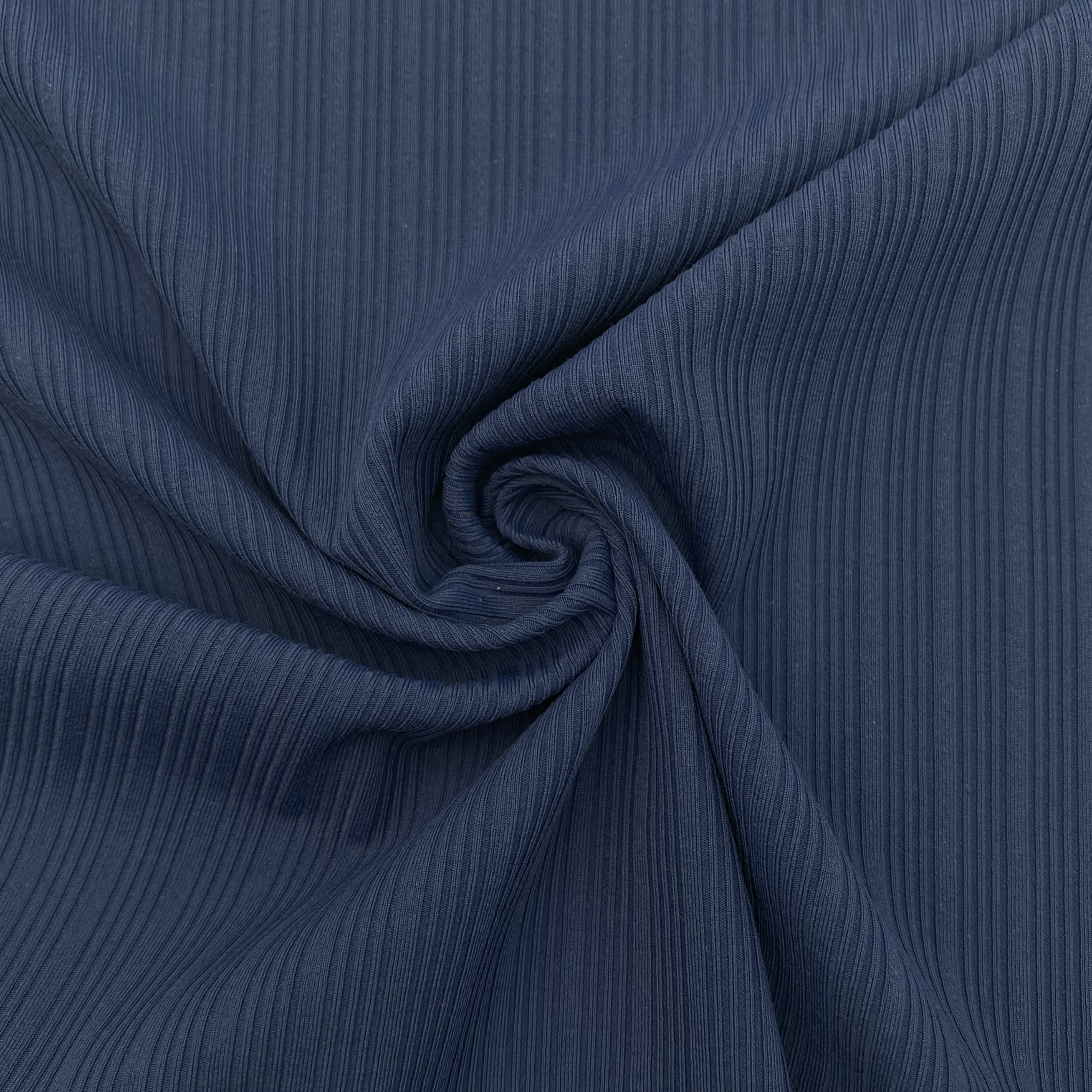
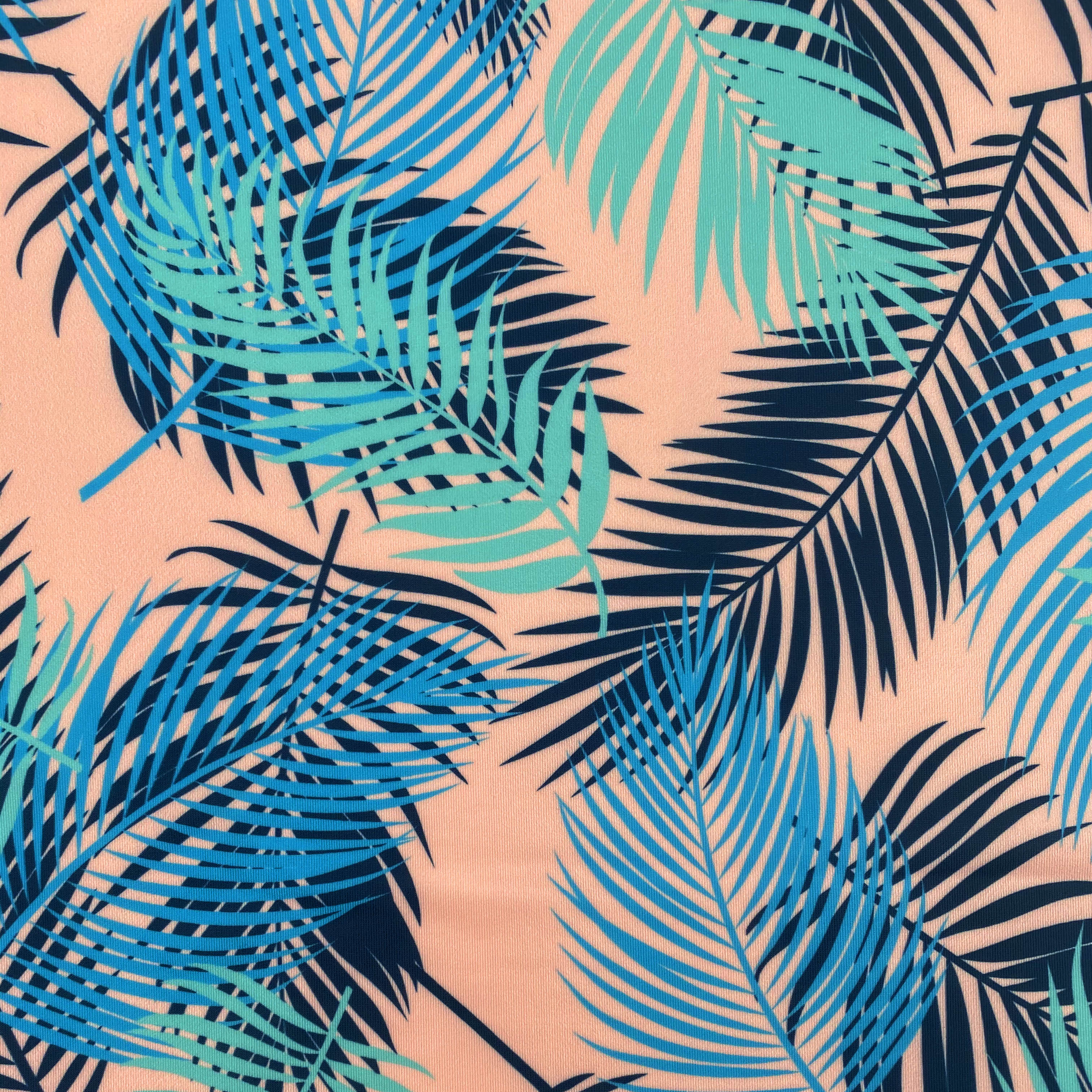
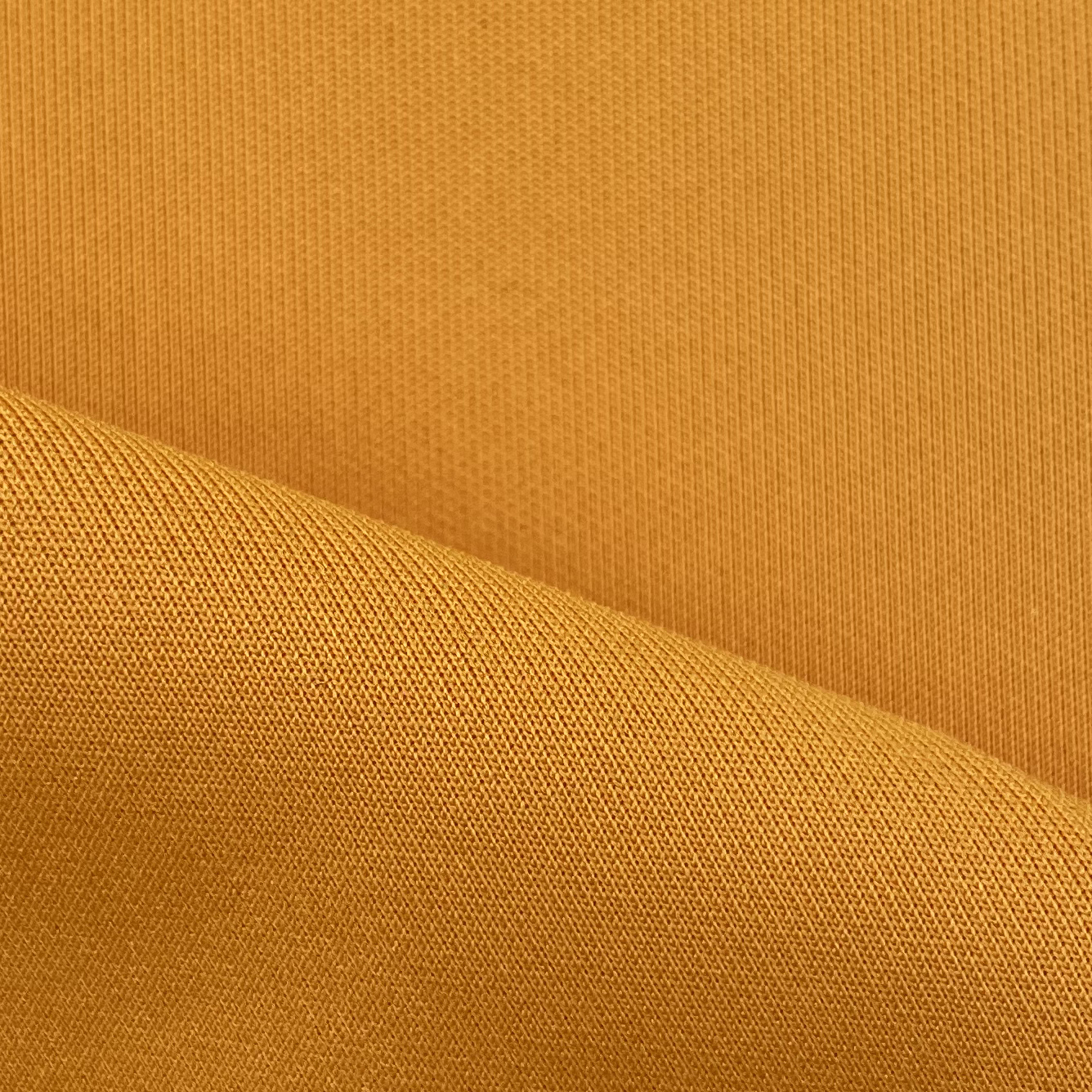
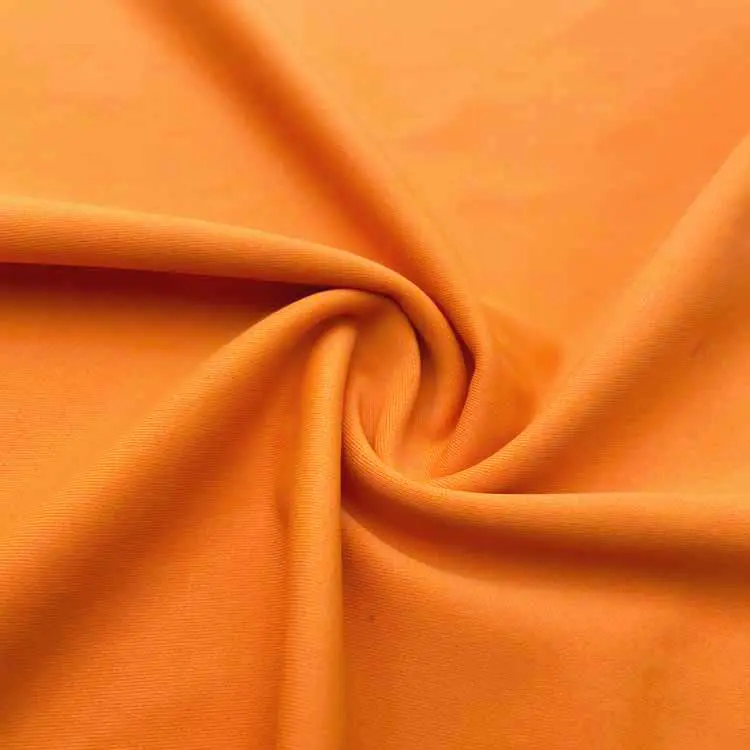
Anyone sourcing performance textiles eventually runs into the same question: what makes a swim fabric move with the body instead of fighting it. The answer is almost always 4 Way Stretch Swimwear Fabric, a textile engineered to expand in every direction while holding its shape through thousands of wear cycles in chlorine, salt water, and sun.
4 way stretch swimwear fabric is a knit textile that stretches and recovers along both its length (vertical, or warp direction) and its width (horizontal, or weft direction). This bidirectional elasticity comes from blending a base fiber, usually nylon or polyester, with an elastic fiber such as spandex or elastane, knitted together so the fabric moves freely in all directions without sagging or distorting.
4 way stretch fabric is a textile that stretches both lengthwise and widthwise, then snaps back to its original shape, unlike standard fabrics that only flex in one axis.
For garments that involve diving, paddling, or repeated squatting and reaching, this multi-axis flexibility is the difference between a suit that supports the body and one that creates drag, bunching, or visible stress lines after a few wears.
The split between 2 way and 4 way stretch fabric comes down to how many directions the material can move and recover in, and that single difference changes fit, durability, and cost.
Brands producing fitted competition swimsuits, wetsuit linings, or compression rash guards almost always specify 4 Way Stretch Swimwear Fabric because the four-directional recovery prevents the sagging that plagues 2 way knits after just a handful of pool sessions.
The advantages of 4 way stretch go far beyond comfort. For manufacturers, this fabric class solves several recurring quality complaints in one material.
Most swimwear fabric composition follows a simple formula: a durable base fiber for structure, blended with a small but critical percentage of stretch fiber for recovery.
Elastane meaning, in practical terms, refers to a synthetic polyurethane-based fiber known commercially as spandex or Lycra. It is rarely used alone since it lacks the durability and color uptake of nylon or polyester, but even a small percentage transforms a stiff woven into a fabric that moves with the swimmer's body. Polyester-elastane blends are increasingly common as well, prized for their resistance to chlorine breakdown and faster drying times compared to nylon-based fabrics.
Selecting the best fabric for swimwear depends on the end use, but three factors matter across nearly every category: stretch direction, fiber blend ratio, and drying speed. Quick dry swimwear fabric typically uses finer denier yarns with a tighter knit, allowing water to wick away from the surface rather than absorbing into the fiber core.
For brands developing competitive, fitness, or surf-focused product lines, 4 Way Stretch Swimwear Fabric remains the benchmark because it combines shape retention, recovery, and durability in a single material, reducing the need for multiple fabric sourcing decisions across a product range.

As Yitai, since 2004, we have manufactured sportswear knitted fabrics such as interlock fabric, nylon fabric, spandex fabric, polyester fabric etc. With excellent R&D group, marketing team, quality control system, experienced dyeing & finishing supporting facility and customer service system.
Haining Yitai Knitting Co., Ltd
No. 198 Canghai Road, Warp Knitting Zone, Haining City, Zhejiang, 314419, China Tel: +0086 135 6738 5757 Email: [email protected] [email protected] [email protected]FOLLOW US




 英语
英语 中文简体
中文简体