Article Directory
The success of performance athletic wear, particularly in the yoga and athleisure markets, hinges on the precise engineering of its textile foundation. For the **yoga knit fabric** category, the critical functional specifications are its four-way stretch and its recovery power. These two factors dictate garment fit, longevity, and wearer comfort during dynamic movement. Technical buyers must rely on standardized testing protocols to verify these characteristics.
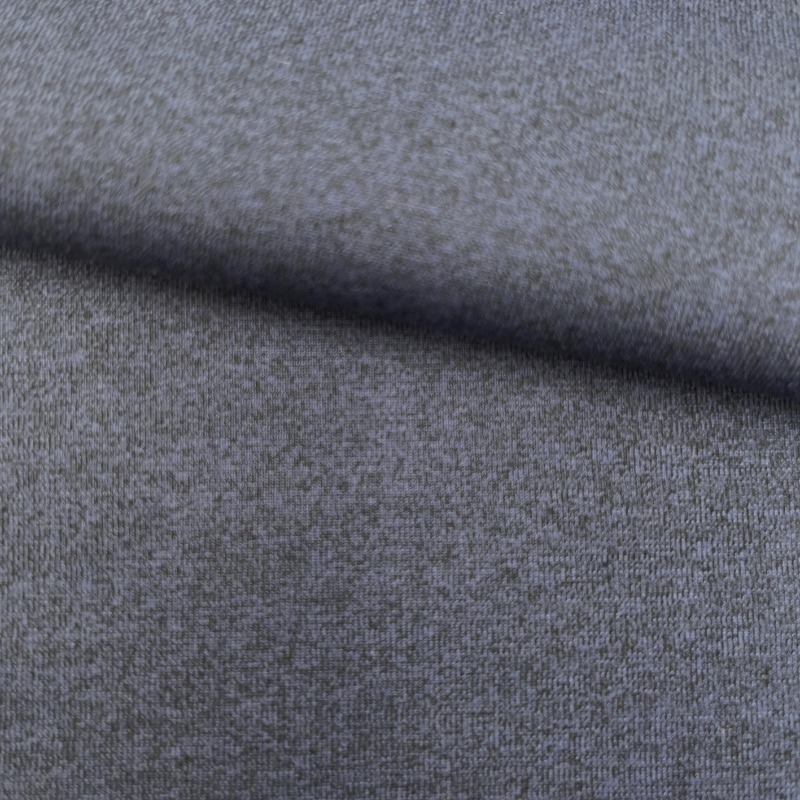
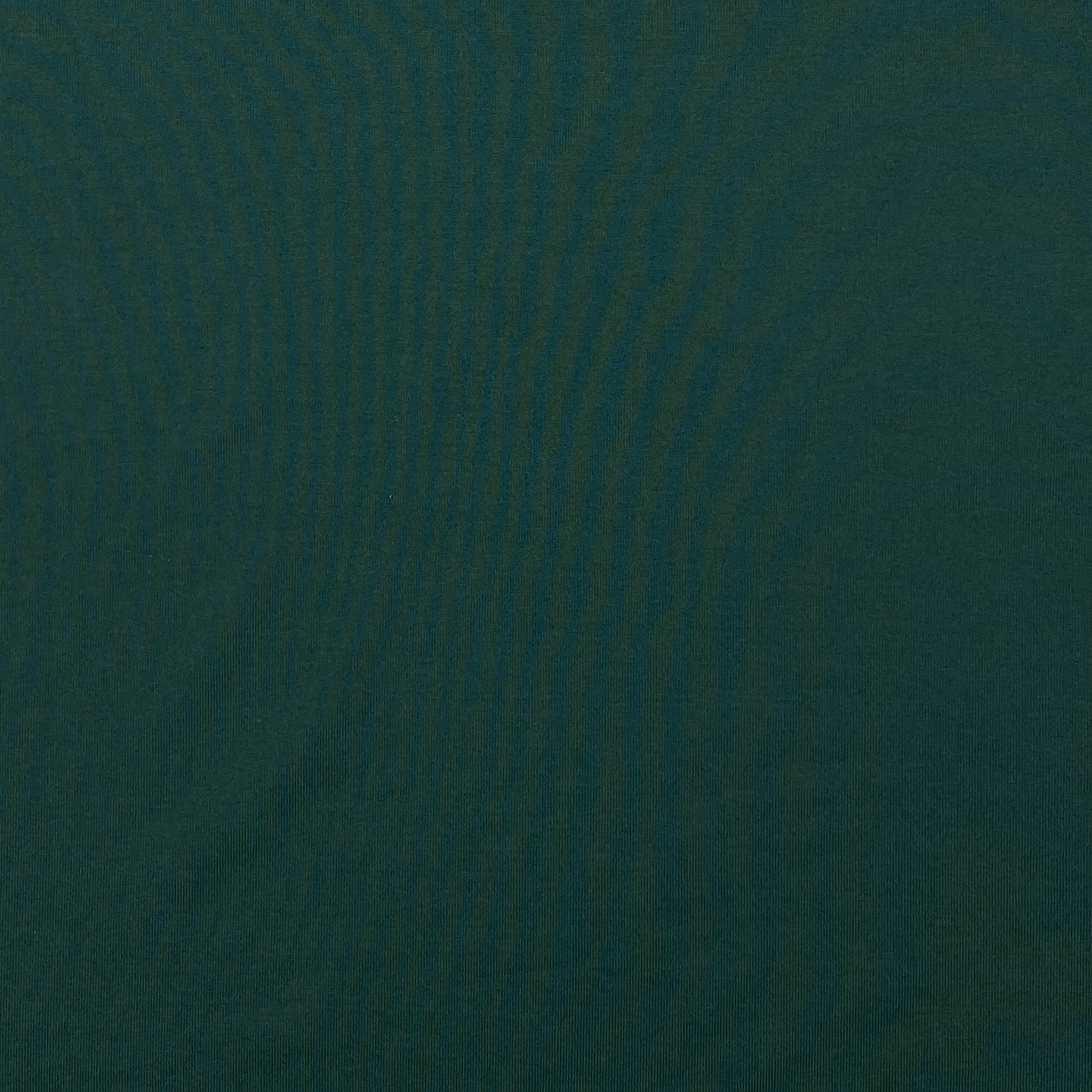
85% Cationic 15% Spandex, WEIGHT 280 GSM WIDTH 155CM Blue Black Single Jersey Fabric
Four-way stretch refers to the fabric's ability to elongate both horizontally (weft) and vertically (warp). This bi-directional flexibility is essential for accommodating the complex poses and movements inherent in yoga.
Top-tier yoga apparel requires robust elasticity. While the required elongation varies by application, a minimum of 140% stretch in the weft and 120% in the warp is often the baseline. The most advanced fabrics aim for balanced stretch exceeding 150% in both directions. This level of extensibility ensures the garment moves fluidly with the body during deep stretches, justifying the need for a high 4-way stretch percentage for yoga knit fabric.
| Performance Tier | Target Stretch Percentage (Minimum) | Required Elastic Fiber Content (Typical) |
|---|---|---|
| Basic Athleisure | 100% - 120% | 5% - 10% |
| Standard Yoga/Fitness | 130% - 150% | 12% - 18% |
| High-Performance Compression | 150% - 180% (Requires maximum **4-way stretch percentage for yoga knit fabric**) | 18% - 25% |
Stretch is meaningless without recovery. Recovery power—the fabric's ability to return to its original dimension after being stretched—is the true measure of a quality yoga knit fabric.
Recovery is quantified by measuring Residual Elongation (also called permanent set). After a standardized stretch cycle (e.g., 50% elongation for a set period), a material with high resilience will have a low residual elongation, meaning it snaps back quickly and retains its original shape. For high-performance apparel, the residual elongation should ideally be less than 5% after a recovery period, a key requirement driven by the high Spandex content for high recovery knitwear.
Objective proof of performance requires adherence to recognized international testing standards.
Beyond initial testing, Knit fabric resilience testing standards also incorporate wet and post-wash testing to evaluate how water absorption and detergent exposure affect the recovery properties. A high-quality yoga knit fabric must maintain its elastic integrity and low residual elongation even after multiple laundry cycles, guaranteeing the garment's long-term fit.
While stretch and recovery are paramount, other factors must be integrated into the Technical specifications for yoga legging fabric.
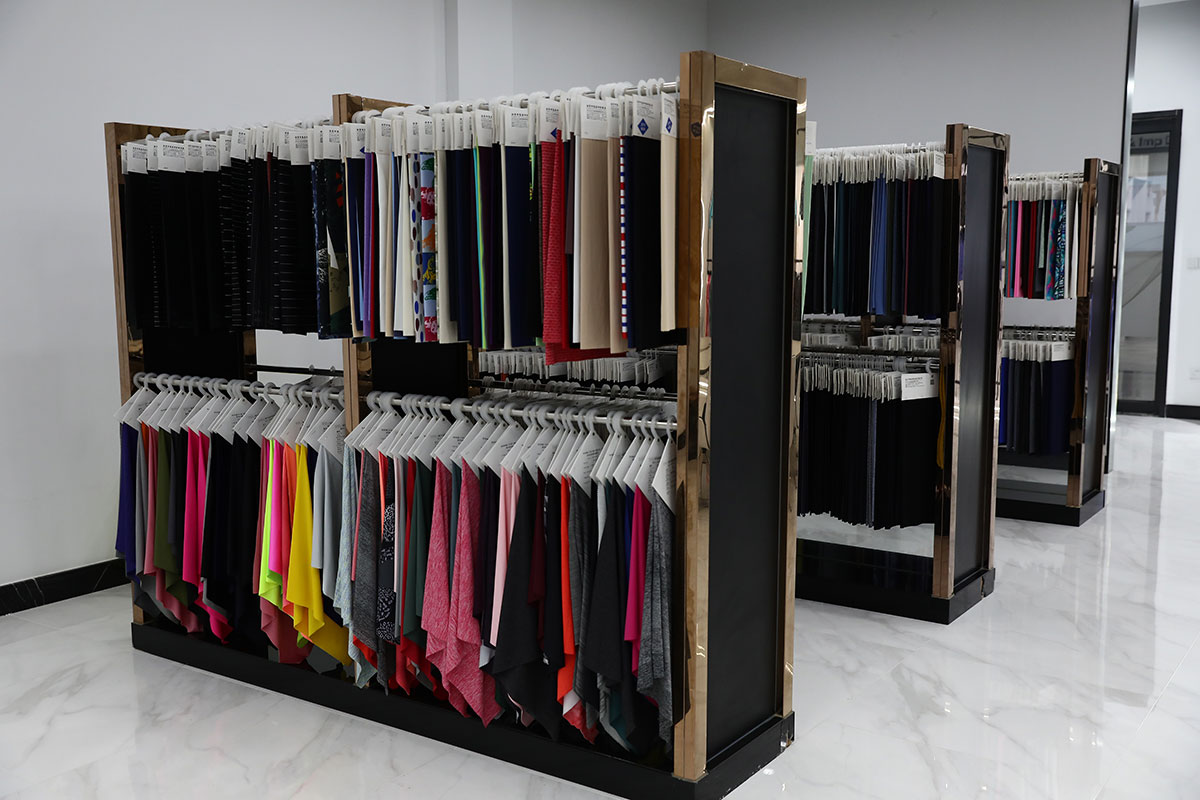
Founded in 2004, Haining Yitai Knitting Co., Ltd. has evolved into a key supplier of high-quality performance knitting fabrics. Our focus is centered on high quality and exceptional supporting service, moving past the pursuit of lower labor costs and high output. We have invested in an excellent R&D group and a rigorous quality control system, allowing us to develop **yoga knit fabric** that adheres to stringent metrics like those defined in ASTM D4964 testing for fabric stretch and recovery. We specialize in optimizing Spandex content for high recovery knitwear and meeting the complex Technical specifications for yoga legging fabric required by global brands. Abiding by the business idea of "intelligence creation and high quality," we strive to forge ahead to the world stage, ensuring our products meet and exceed the global Knit fabric resilience testing standards.
While requirements vary, a minimum recommendation for high-performance yoga fabric is generally 140% stretch in the weft and 120% in the warp direction to ensure optimal freedom of movement.
Residual elongation is the measure of permanent set (deformation) after stretching. High recovery power is indicated by a low residual elongation, typically less than 5%, meaning the fabric effectively snaps back to its original dimension.
The purpose is to provide an objective, repeatable method for measuring the elastic properties of textile materials, documenting both the percentage of elongation and the force required, which is essential for B2B procurement specifications.
Not necessarily. While higher Spandex content usually increases stretch and recovery, the quality and type of the elastomer fiber, as well as the knitting structure, are equally important. Excessive Spandex can also compromise breathability and hand feel.
Two critical specifications are high Pilling Resistance (typically Grade 4 or higher on the Martindale or Random Tumble Pilling test) and high Abrasion Resistance, ensuring the fabric maintains its aesthetic and structural integrity after frequent use and washing.

As Yitai, since 2004, we have manufactured sportswear knitted fabrics such as interlock fabric, nylon fabric, spandex fabric, polyester fabric etc. With excellent R&D group, marketing team, quality control system, experienced dyeing & finishing supporting facility and customer service system.
Haining Yitai Knitting Co., Ltd
No. 198 Canghai Road, Warp Knitting Zone, Haining City, Zhejiang, 314419, China Tel: +0086 135 6738 5757 Email: [email protected] [email protected] [email protected]FOLLOW US




 英语
英语 中文简体
中文简体