Article Directory
In the high-performance activewear sector, the durability of yoga knit fabric is a critical differentiator. Unlike basic textiles, athletic knitwear is subjected to rigorous mechanical stresses—high friction from body movement, constant rubbing against mats or equipment, and the chemical/mechanical rigors of frequent machine washing. Pilling (the formation of small, fuzzy balls on the surface) and poor abrasion resistance are the two primary failure modes that immediately compromise the perceived quality and longevity of a garment, directly affecting B2B procurement decisions and brand reputation.
Founded in 2004, Haining Yitai Knitting Co., Ltd. has prioritized high quality and better supporting service over pursuing cheaper prices. Our commitment to "intelligence creation and high quality" means engineering every yoga knit fabric to withstand these stresses, ensuring that its aesthetic appeal and structural integrity remain intact, thereby meeting stringent Pilling resistance standards for yoga knit fabric.
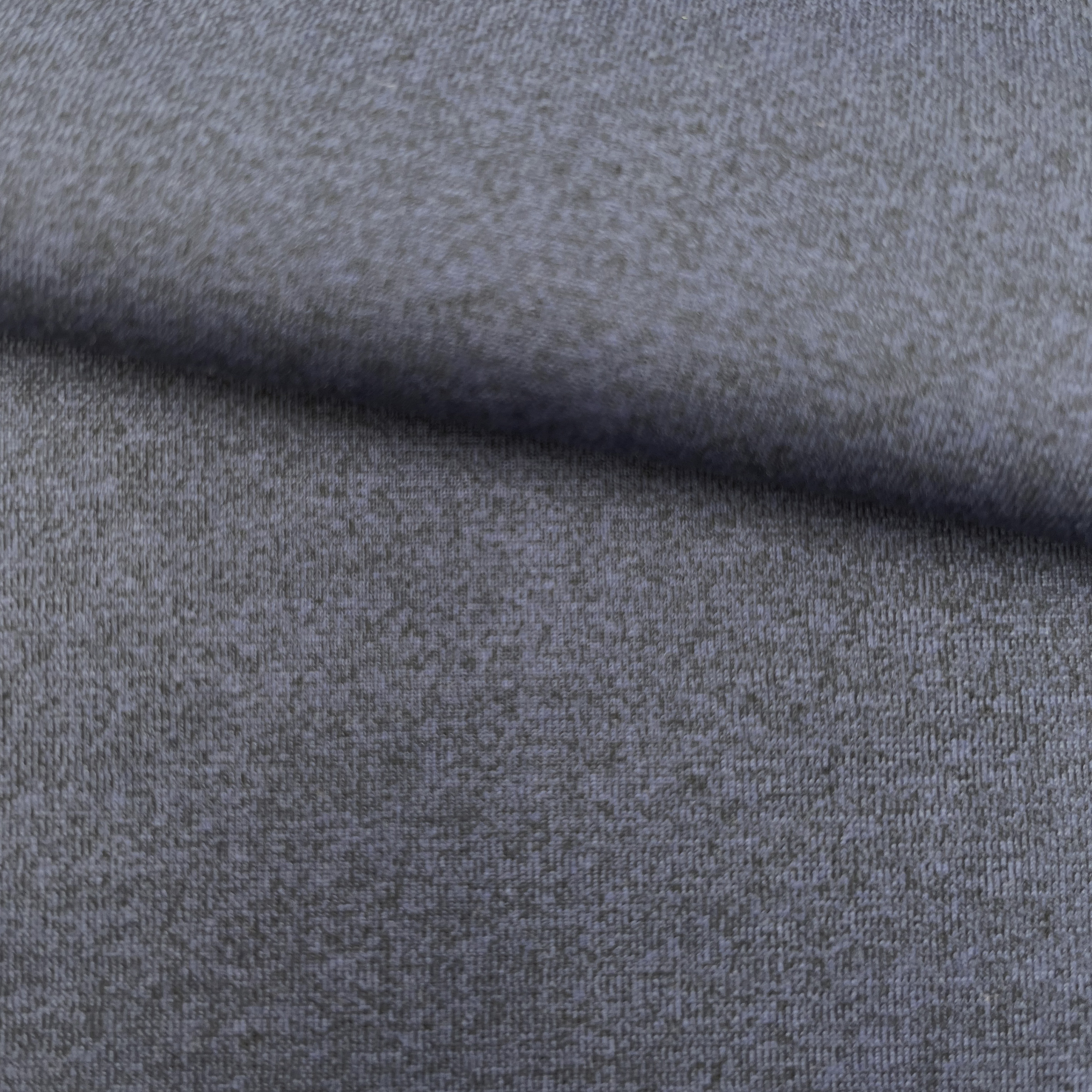
Pilling occurs when loose fibers on the fabric surface become entangled into small balls by friction. The industry relies on standardized testing to quantify this surface degradation.
The standard test for quantifying pilling resistance is typically ISO 12945-2, which uses the Martindale method. The result is scored on a five-point scale, where Grade 5 represents no visible change (no pilling) and Grade 1 represents heavy pilling. To ensure customer satisfaction and long-term appearance retention for high-use apparel, yoga knit fabric must achieve a minimum grade of Grade 3.5 to 4.0 after 2,000 cycles. A score below Grade 3 is generally deemed unacceptable for premium activewear. Adhering to these ISO 12945-2 pilling resistance grade requirements is a non-negotiable step in quality assurance.
The resistance to pilling is heavily influenced by the fiber material and construction. Fabrics made with micro-denier, filament yarns (which have continuous, highly crimped fibers) inherently pill less than those made with staple (short) fibers, as there are fewer loose ends available to entangle. Furthermore, tightly twisted yarns and compact knit structures physically restrict fiber movement. This difference is clearly illustrated when comparing common textile types.
| Fiber/Yarn Characteristic | Effect on Pilling Tendency | Typical ISO 12945-2 Grade Result (High-Quality Finish) |
|---|---|---|
| Continuous Filament Yarns (Nylon/Polyester) | Low tendency (Fibers have no free ends) | Grade 4 to 5 |
| Low-Twist Staple Yarns (Cotton/Blends) | High tendency (Many loose, short ends) | Grade 2 to 3 |
Abrasion resistance measures the fabric's ability to resist wearing down due to surface friction, a key component of knit fabric durability after washing and wearing.
The Martindale test (ISO 12947-2) measures cycles until failure—specifically, the point where two yarns break, or a visible hole forms. For yoga knit fabric, especially those used in high-contact areas (e.g., inner thighs, seats), the required performance target for Martindale abrasion test cycles for high-performance knits is a minimum of 10,000 to 15,000 cycles. Achieving this range ensures the structural integrity will withstand years of active use and machine washing, offering superior longevity compared to fabrics achieving only the general apparel standard of 5,000 cycles.
While the Martindale method (ISO 12947-2) applies multi-directional, figure-eight friction, other Abrasion resistance testing methods for knitwear exist, such as the ASTM D4966 (Rotary Platform, Double Head Method, also known as Taber). The Martindale method is generally preferred for apparel that experiences complex, non-linear rubbing typical of body movement. Regardless of the test used, the underlying factor is the knit construction: double-knit or interlock fabrics are inherently more abrasion-resistant than single jersey knits because they have a higher stitch density and two layers of loops to withstand the friction.
Manufacturing process control is vital for translating material properties into final product performance.
The dyeing and finishing stages are crucial for achieving the final durability goals. Heat setting is essential to lock the elastane and synthetic fibers in place, which prevents fiber migration and reduces the likelihood of pilling. Specialized finishing chemicals, such as certain fluorocarbon resins, can bond surface fibers more securely, enhancing both pilling resistance and the overall structural integrity of the yoga knit fabric against abrasion.
Haining Yitai's comprehensive quality control system tests fabric samples from every production run to verify adherence to specified standards. We ensure that our fabrics consistently achieve the required ISO 12945-2 pilling resistance grade requirements and minimum Martindale abrasion test cycles for high-performance knits, providing B2B customers with quantifiable assurance of product longevity. Our focus remains on high quality and intelligent creation.
For B2B buyers, investing in yoga knit fabric that exceeds minimum durability requirements translates directly into enhanced brand loyalty and reduced consumer complaints. Superior quality demands technical mastery in fiber selection, tight knit structures, and effective finishing processes to ensure the fabric passes stringent Abrasion resistance testing methods for knitwear. By meeting or exceeding standards like Grade 3.5-4.0 for pilling and 10,000 cycles for abrasion, manufacturers guarantee the long-term aesthetic and functional life of the garment.

As Yitai, since 2004, we have manufactured sportswear knitted fabrics such as interlock fabric, nylon fabric, spandex fabric, polyester fabric etc. With excellent R&D group, marketing team, quality control system, experienced dyeing & finishing supporting facility and customer service system.
Haining Yitai Knitting Co., Ltd
No. 198 Canghai Road, Warp Knitting Zone, Haining City, Zhejiang, 314419, China Tel: +0086 135 6738 5757 Email: [email protected] [email protected] [email protected]FOLLOW US




 英语
英语 中文简体
中文简体