Article Directory
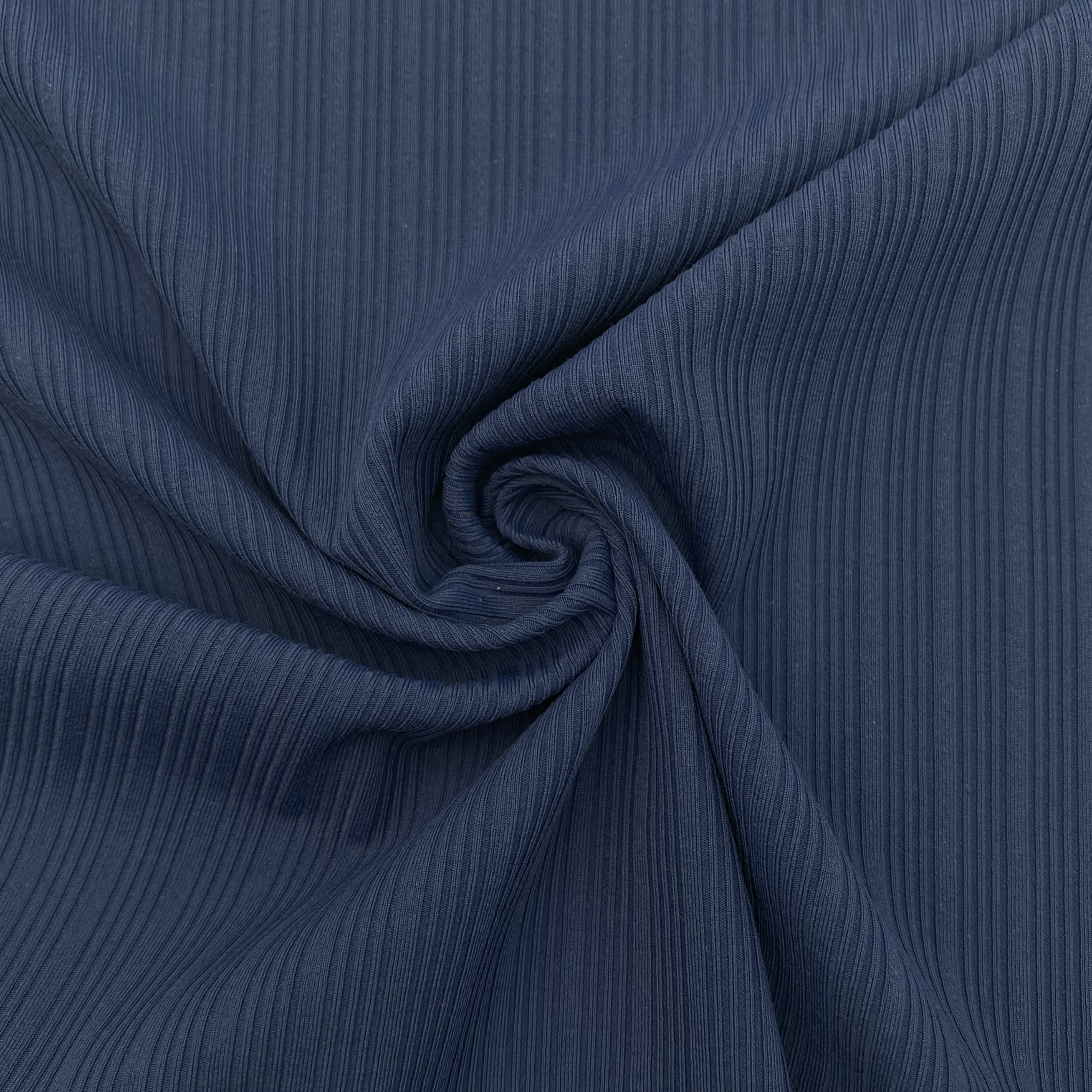
In the high-performance textile industry, the engineering of a 4 way stretch knit fabric requires a meticulous balance of polymer science and knitting density. For B2B procurement managers and apparel designers, achieving the "holy grail" of textiles—zero-transparency combined with high-stretch recovery—depends largely on the ratio of synthetic fibers used. Haining Yitai Knitting Co., Ltd, founded in 2004, has dedicated over 15 years to perfecting these ratios through "intelligence creation and high quality." By focusing on high-specification R&D rather than low-cost output, we provide materials that meet the rigorous demands of the global athleisure market.
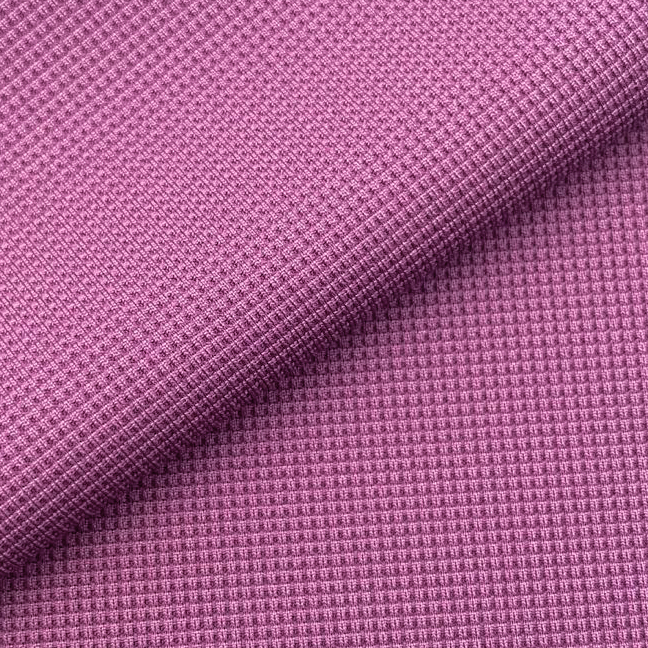
Nylon provides the structural foundation, offering high tensile strength and a soft hand-feel, while Spandex (Elastane) provides the multidimensional elasticity required for movement. However, increasing Spandex content does not always lead to better performance; excessive elasticity can compromise the fabric's opacity. When evaluating a heavyweight nylon spandex interlock fabric, engineers look at the "denier" of the yarn and the knitting gauge to ensure that the interstices of the knit do not open excessively under tension. High-quality nylon spandex tricot for activewear often utilizes a specific wrap-knit or interlock structure to maintain density during full extension.
| Material Component | Primary Mechanical Function | Impact on Transparency |
| Nylon 6 or 66 | Durability and color fastness | High density prevents "light leak" |
| Spandex / Elastane | Elongation and recovery (Modulus) | High ratios can cause "grinning" (transparency) |
For professional-grade leggings and compression wear, the industry standard has gravitated toward a ratio of 75/25 or 80/20 Nylon-to-Spandex. A 75% Nylon base ensures the fabric remains a squat proof athletic knit material, whereas a 25% Spandex inclusion provides the necessary "compression force" to support muscles without hindering blood flow. In contrast, fabrics with less than 15% Spandex often fail to meet the recovery requirements of a true 4 way stretch knit fabric, leading to permanent deformation or "bagging" at the knees and elbows.
While an 85/15 ratio is excellent for general lifestyle apparel, it lacks the compressive recovery needed for high-impact sports compared to the 75/25 professional athletic standard.
| Nylon/Spandex Ratio | Elasticity (Recovery) | Opacity (Squat-Test) | Best Application |
| 90 / 10 | Low (Prone to sagging) | Very High | Casual T-shirts / Linings |
| 80 / 20 | Moderate-High | High | Yoga pants / Light gym wear |
| 75 / 25 | Superior (High Modulus) | Optimal (With correct GSM) | high compression spandex fabric for leggings |
Beyond the fiber ratio, the "comfort" factor is determined by the dyeing and finishing process. A moisture wicking nylon spandex fabric must undergo a hydrophilic treatment to ensure that sweat is transported from the skin to the fabric surface for evaporation. Haining Yitai Knitting Co., Ltd utilizes an experienced dyeing and finishing supporting facility to ensure that our high-stretch fabrics remain breathable. This technical service system ensures that the fabric does not feel "plastic-like" against the skin, even at high Spandex concentrations.
To ensure that our users get high-quality products, Yitai has built a comprehensive quality control system. We understand that for B2B procurement, consistency is paramount. Every batch of 4 way stretch knit fabric is tested for "stretch and recovery" according to ASTM D2594 or D3107 standards. By focusing on higher quality and better supporting services, we have moved beyond being a mere supplier to becoming a strategic partner for brands in North America, Europe, and beyond. In the coming days, we will continue to abide by the "customers come first" service idea, ensuring every yard of fabric is optimized for both transparency and comfort.
This document specifies the mechanical and chemical properties of the premium 4 way stretch knit fabric manufactured by Haining Yitai Knitting Co., Ltd. Our "intelligence creation" approach ensures that this fabric provides the optimal modulus for compression while maintaining the status of a squat proof athletic knit material for the global high-end activewear market.
Utilizing high-tenile Nylon 66 filaments and premium elastane, this interlock structure is engineered for maximum density. Unlike single-knit jersey, this double-knit construction ensures zero-transparency even under high-load elongation.
| Technical Metric | Standard / Test Method | Performance Value |
| Fiber Content | AATCC 20 / ISO 1833 | 75% Nylon / 25% Spandex (±3%) |
| Fabric Weight | ASTM D3776 | 280 GSM - 320 GSM (Customizable) |
| Knitting Gauge | High-Gauge Interlock | 36G - 40G (Ultra-Fine Density) |
| Width (Usable) | ASTM D3774 | 150 cm / 58-60 inches |
The core value of our high compression spandex fabric for leggings lies in its recovery modulus. We ensure that the fabric returns to its original dimensions without the "bagging" effect common in lower-tier textiles.
Following our business idea of "high quality," our nylon spandex tricot for activewear and interlock series undergo specialized dyeing processes to ensure vibrant, lasting colors that resist the "grinning" (white spandex showing through) effect.
| Color Metric | Test Method | Performance Grade |
| Wash Fastness | AATCC 61 (2A) | Grade 4.0 - 5.0 |
| Perspiration Fastness | AATCC 15 | Grade 4.0 (Acid/Alkaline) |
| Crocking (Dry/Wet) | AATCC 8 | Grade 4.5 (Dry) / 4.0 (Wet) |
| UV Protection | AATCC 183 | UPF 50+ (Excellent Protection) |
To ensure a moisture wicking nylon spandex fabric experience, every yard is treated with our proprietary hydrophilic finish during the dyeing stage. This facilitates rapid capillary action, pulling sweat away from the skin to the outer surface for quick evaporation.
Haining Yitai Knitting Co., Ltd. remains committed to the "customers come first" philosophy. Our 15 years of R&D expertise and quality control system enable us to guarantee that our 4 way stretch knit fabric meets the most stringent B2B quality benchmarks in the world stage.

As Yitai, since 2004, we have manufactured sportswear knitted fabrics such as interlock fabric, nylon fabric, spandex fabric, polyester fabric etc. With excellent R&D group, marketing team, quality control system, experienced dyeing & finishing supporting facility and customer service system.
Haining Yitai Knitting Co., Ltd
No. 198 Canghai Road, Warp Knitting Zone, Haining City, Zhejiang, 314419, China Tel: +0086 135 6738 5757 Email: [email protected] [email protected] [email protected]FOLLOW US




 英语
英语 中文简体
中文简体