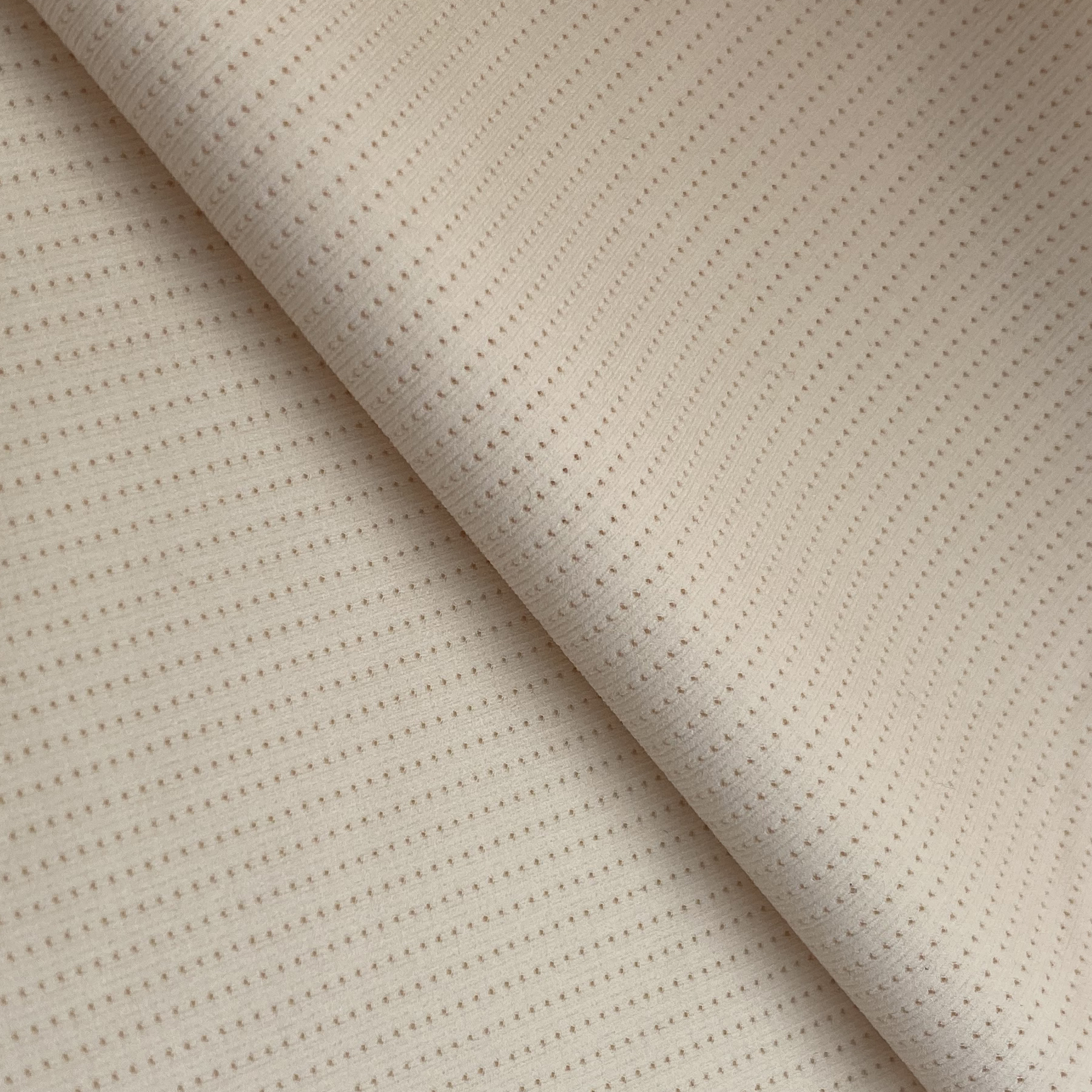
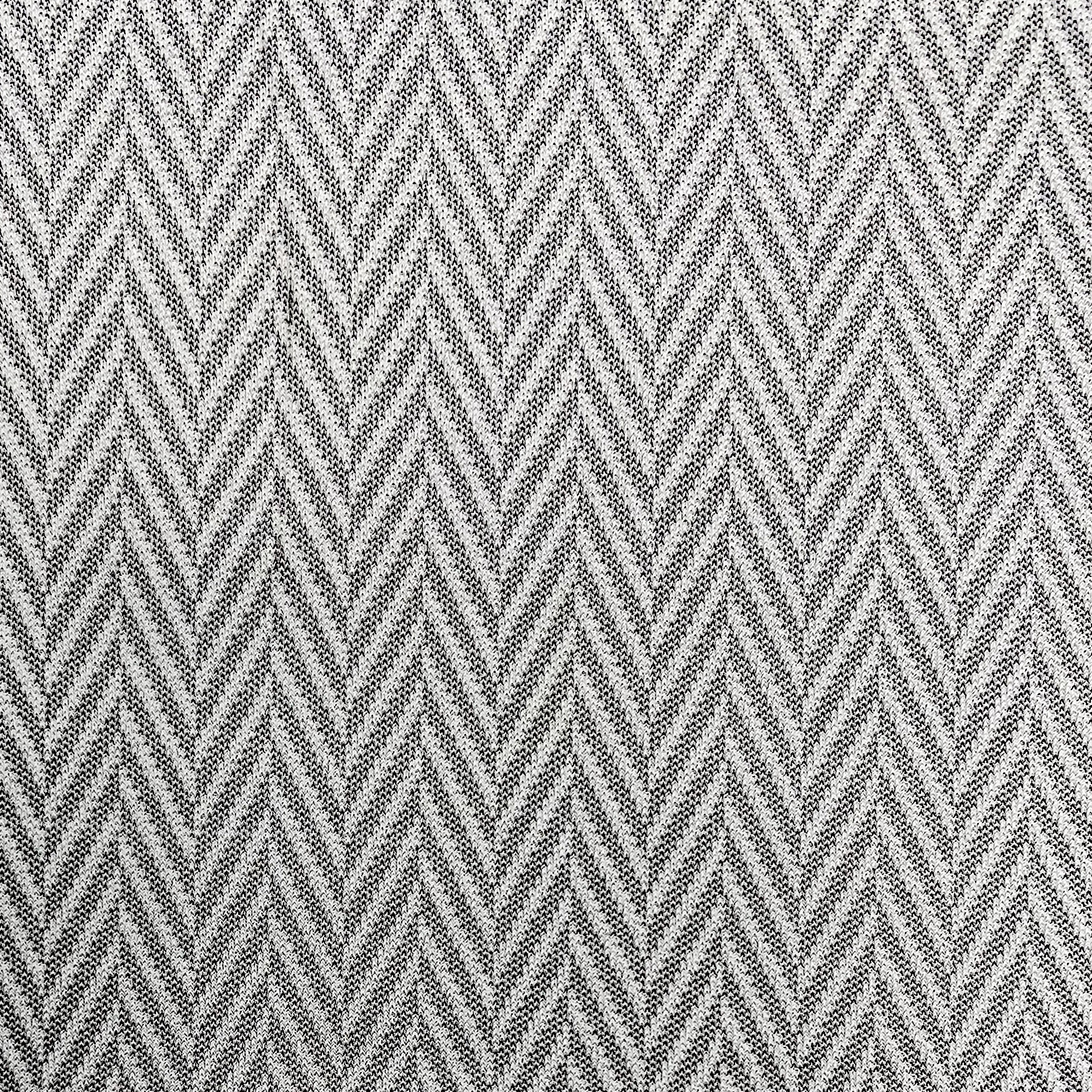
Article Directory
The global sportswear industry faces a critical challenge: balancing performance demands with environmental responsibility. Understanding sustainable sportswear fabrics has become essential for consumers, manufacturers, and environmental advocates alike. This comprehensive guide explores how sustainable sportswear fabrics are transforming athletic wear while reducing the environmental impact of textile production.
Sustainable sportswear fabrics are textile materials engineered to reduce environmental impact while maintaining high athletic performance standards. Unlike conventional fabrics created from virgin synthetic fibers or untreated cotton, sustainable sportswear fabrics utilize recycled materials, organic fibers, or bio-based innovations in their production process.
Definition: Sustainable sportswear fabrics combine renewable or recycled fiber sources with manufacturing processes that minimize water consumption, chemical usage, and carbon emissions while preserving moisture-wicking, breathability, and durability requirements essential for athletic applications.
Traditional sportswear fabrics primarily depend on virgin polyester derived from petroleum and heavily treated cotton requiring significant pesticide applications. The production of conventional athletic textiles generates substantial water waste, chemical pollution, and greenhouse gas emissions. Sustainable sportswear fabrics address these challenges through circular economy models, organic agriculture practices, and advanced fiber recycling technologies.
The global textile industry generates 10% of total carbon emissions worldwide and consumes 79 trillion liters of water annually. The sportswear segment, valued at over $100 billion globally, contributes significantly to this environmental burden. Recognition of these impacts has sparked industry-wide transformation toward sustainable sportswear fabrics.
Regulatory pressures, investor demands, and consumer preferences are driving this shift. The European Union's Carbon Border Adjustment Mechanism and Extended Producer Responsibility regulations create financial incentives for brands to adopt sustainable sportswear fabrics. Major athletic brands now commit to climate-neutral operations and sustainable material sourcing. Consumer research indicates that 73% of millennials and Gen Z athletes actively seek environmentally responsible gear, directly influencing purchasing decisions.
The sustainable activewear market is projected to grow at 12.5% annually through 2030, with sustainable sportswear fabrics representing the fastest-growing segment across global textile markets.
Modern sustainable sportswear fabrics incorporate diverse fiber sources, each offering distinct environmental and performance advantages.
Both recycled polyester and organic cotton serve as foundational materials for sustainable sportswear fabrics, yet they exhibit distinct performance profiles suited to different athletic applications.
| Property | Recycled Polyester | Organic Cotton |
| Moisture Wicking | Excellent (8-12 seconds) | Moderate (12-18 seconds) |
| Breathability | High (air permeability) | Very High (natural fibers) |
| Durability (wash cycles) | 50-75 cycles | 40-60 cycles |
| Environmental Impact | Plastic reduction, energy savings | Chemical elimination, water savings |
| Stretch Recovery | 95-98% | 60-70% |
| Quick-Dry Speed | Very Fast (hydrophobic) | Slow (absorbent) |
Recycled polyester excels in high-performance scenarios requiring superior moisture management, rapid drying, and repeated stretch-recovery cycles. High-intensity running, CrossFit, and water sports benefit from recycled polyester's hydrophobic nature and elastic properties.
Organic cotton provides superior breathability and comfort for lower-intensity activities, casual gym sessions, and yoga-focused wear. Its natural fiber structure creates excellent air circulation, reducing heat buildup during moderate exercise. However, the lower durability and slower drying characteristics limit applications in extreme athletic conditions.
Sustainable sportswear fabrics must deliver the same functional performance standards as conventional athletic textiles. Key technical requirements include:
Advanced sustainable sportswear fabrics have progressed significantly beyond earlier generations, now performing reliably across all athletic intensity levels and environmental conditions. Modern recycled polyester blends match or exceed virgin polyester specifications in moisture management, compression, and durability.
For running and competitive endurance sports, sustainable sportswear fabrics combining recycled polyester with elastane provide exceptional performance. Field testing demonstrates equivalent or superior moisture evacuation compared to conventional synthetics, with compression properties supporting muscle stabilization during high-impact movement.
Outdoor activities including hiking, trail running, and mountaineering require UV protection and moisture management in variable weather conditions. Modern sustainable sportswear fabrics incorporate UV-reflective coatings and DWR (durable water-repellent) treatments applied through low-impact processes. Recycled nylon fabrics specifically excel in outdoor applications, offering superior tear resistance and weather protection.
Strength training and gym-focused activities benefit from compression properties available in sustainable blends. Testing across major athletic brands confirms that recycled polyester compression garments provide equivalent muscle support, blood flow enhancement, and performance benefits as conventional compression wear.
Moisture management represents the cornerstone of athletic performance. Sustainable sportswear fabrics employ multiple mechanisms to achieve effective sweat regulation without relying on petroleum-based synthetics.
Recycled polyester inherently exhibits hydrophobic properties, repelling moisture rather than absorbing it. This molecular structure enables rapid sweat transport from skin through the fabric via capillary action, allowing evaporation at the outer surface. The process creates a dry microclimate against skin regardless of perspiration rates.
Fabric construction techniques amplify moisture management capabilities. Micro-textured knit patterns increase surface area for evaporation, while strategic mesh paneling in high-sweat zones enhances air circulation. Multi-layer composite constructions separate functions—moisture-wicking inner layers combined with breathable outer barriers create effective ventilation systems.
Finishing treatments enhance moisture management in organic cotton and natural fiber options. Chemical-free hydrophobic coatings reduce water absorption while preserving breathability. Some manufacturers apply nano-scale silver or copper ion treatments that simultaneously provide antimicrobial protection and moisture dispersal properties.
While both represent sustainable alternatives, recycled and bio-based fabrics address environmental challenges through distinct mechanisms within the sustainable sportswear fabrics category.
Recycled Fabrics: These materials originate from post-consumer or post-industrial waste streams. Recycled polyester derives from discarded plastic bottles and worn garments; recycled nylon comes from fishing nets and industrial textile waste. The production process captures existing materials destined for landfills or incineration, extending their lifecycle while eliminating virgin resource extraction. This circular economy model reduces environmental burden of waste management while decreasing demand for new petroleum extraction.
Bio-Based Fabrics: These fibers derive from renewable agricultural sources including corn, sugarcane, and bamboo. Bio-based polyester and plant-derived viscose represent the fastest-growing sustainable sportswear fabrics category. Rather than capturing waste, bio-based approaches eliminate fossil fuel dependence in fiber creation. The crops sequester atmospheric carbon during growth cycles, and advanced closed-loop production processes minimize chemical use and water consumption.
The optimal approach combines both strategies—utilizing recycled content while transitioning to bio-based chemistry reduces both waste streams and resource extraction simultaneously.
Durability concerns represent a significant misconception regarding sustainable sportswear fabrics. Modern sustainable materials match or exceed conventional fabric durability through advanced engineering and rigorous testing protocols.
Fiber-level optimization begins with molecular engineering. Recycled polyester undergoes sorting and purification processes that remove contaminants while maintaining mechanical properties. Advanced depolymerization techniques break down waste polyester to chemical constituents, then re-polymerize fibers with properties identical to virgin equivalents, eliminating inherent durability limitations.
Yarn structure and fabric construction determine ultimate durability. Tightly twisted yarns create stronger fabrics with improved abrasion resistance. Multi-ply constructions combine fibers of different characteristics—pairing recycled polyester for strength with elastane for resilience, for example. Strategic placement of reinforcement at high-stress seams extends garment lifespan.
Finishing processes apply crucial durability enhancements. Enzyme treatments on organic cotton improve softness without compromising strength. Molecular cross-linking treatments increase tear resistance in recycled fabrics. UV stabilizers protect sustainable materials from sun degradation during outdoor use and storage.
Manufacturing standards ensure consistent durability across production batches. Tensile strength testing, abrasion resistance evaluation, and multi-cycle washing protocols verify that sustainable sportswear fabrics meet or exceed industry durability benchmarks before market release.
Independent certifications provide consumers and manufacturers with verified assurance regarding sustainable sportswear fabrics authenticity and environmental claims.
Despite significant advancements, sustainable sportswear fabrics present legitimate limitations that manufacturers and consumers should understand.
Cost Considerations: Sustainable sportswear fabrics currently command 15-40% price premiums compared to conventional materials. Certification processes, smaller production volumes, and advanced processing technologies increase manufacturing costs. However, prices continue declining as production scales and technology matures.
Supply Chain Constraints: Limited availability of recycled fiber feedstock creates production bottlenecks for certain sustainable materials. Supply chains remain less established than conventional textile infrastructure, occasionally resulting in longer lead times and minimum order quantities.
Color and Finish Limitations: Recycled polyester exhibits restricted color palettes due to incoming material variability. Achieving vibrant colors in some sustainable fabrics requires additional processing steps. Natural dyes compatible with eco-friendly manufacturing sometimes lack the fastness properties of synthetic dyes.
Scalability Challenges: While expanding rapidly, sustainable textile production capacity remains insufficient to meet total global sportswear demand. Complete industry transition requires infrastructure investment and supply chain development still underway.
Performance Trade-offs: Certain specialized applications—particularly extreme outdoor conditions or elite competition—may require conventional fabrics offering marginal performance advantages. As technology advances, these gaps continue narrowing.
Industry trajectory indicates accelerating transition toward sustainable sportswear fabrics as the dominant market standard within the next decade.
Circular Economy Integration: Next-generation sustainable sportswear fabrics will feature complete lifecycle design. Garments engineered for disassembly, component sorting, and fiber recapture will minimize disposal requirements. Brands increasingly implement take-back programs, creating closed-loop systems where used sportswear returns to manufacturers for material recovery.
Smart Sustainable Fabrics: Integration of conductive fibers, temperature-responsive materials, and biosensors into sustainable sportswear fabrics is expanding rapidly. Smart textiles monitor athletic performance, body metrics, and environmental conditions while maintaining eco-friendly credentials.
Biodegradable Innovations: Emerging research explores fully biodegradable sportswear materials combining performance with end-of-life compostability. Mycelium-based and algae-derived fibers represent cutting-edge developments promising sustainable alternatives to both conventional and current-generation sustainable sportswear fabrics.
Carbon Neutrality Standards: Manufacturers increasingly commit to carbon-neutral sustainable sportswear fabrics production through renewable energy integration and verified offset programs. Third-party carbon accounting becomes standard practice across the industry.
 |
 |
Sustainable sportswear fabrics are composed of recycled fibers (post-consumer plastic bottles, recovered fishing nets), organic natural fibers (cotton without synthetic pesticides), or bio-based synthetics (plant-derived polyester). Most modern sustainable sportswear fabrics combine these materials through blending to optimize performance and environmental benefits.
Yes. Contemporary sustainable sportswear fabrics meet or exceed durability standards of conventional athletic wear. Recycled polyester exhibits 95%+ durability retention through 50-75 wash cycles, matching virgin polyester performance. Manufacturing protocols and finishing treatments ensure consistent quality across production batches.
Modern sustainable sportswear fabrics deliver equivalent or superior athletic performance compared to conventional materials. Professional athletes across running, cycling, swimming, and strength training increasingly rely on sustainable textile options, with performance data demonstrating comparable or enhanced results.
Certified sustainable sportswear fabrics undergo rigorous chemical testing and meet OEKO-TEX standards ensuring safety. Post-consumer recycled materials undergo thorough cleaning and processing, removing contaminants. Finish treatments are carefully selected to eliminate harmful substances while maintaining performance properties.

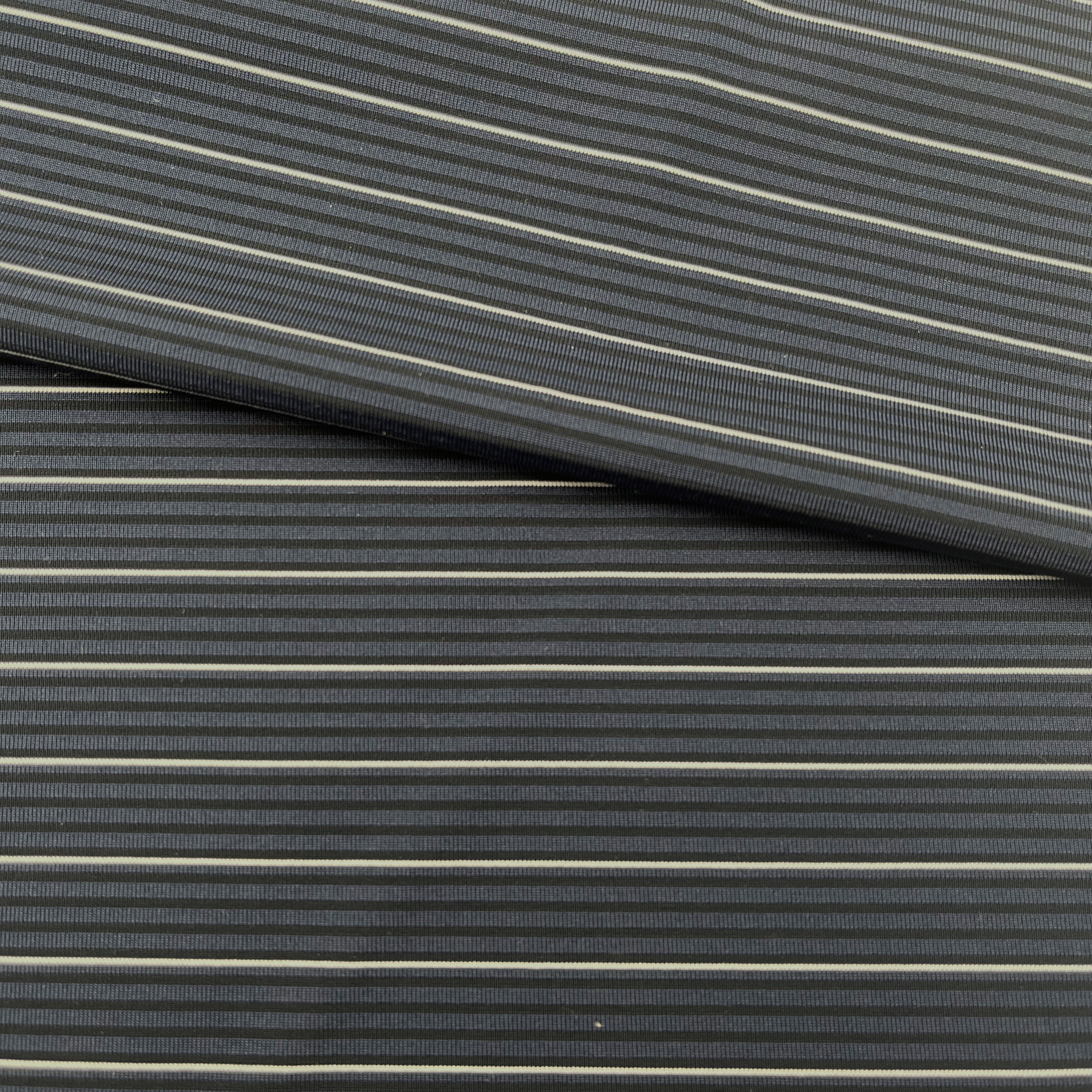
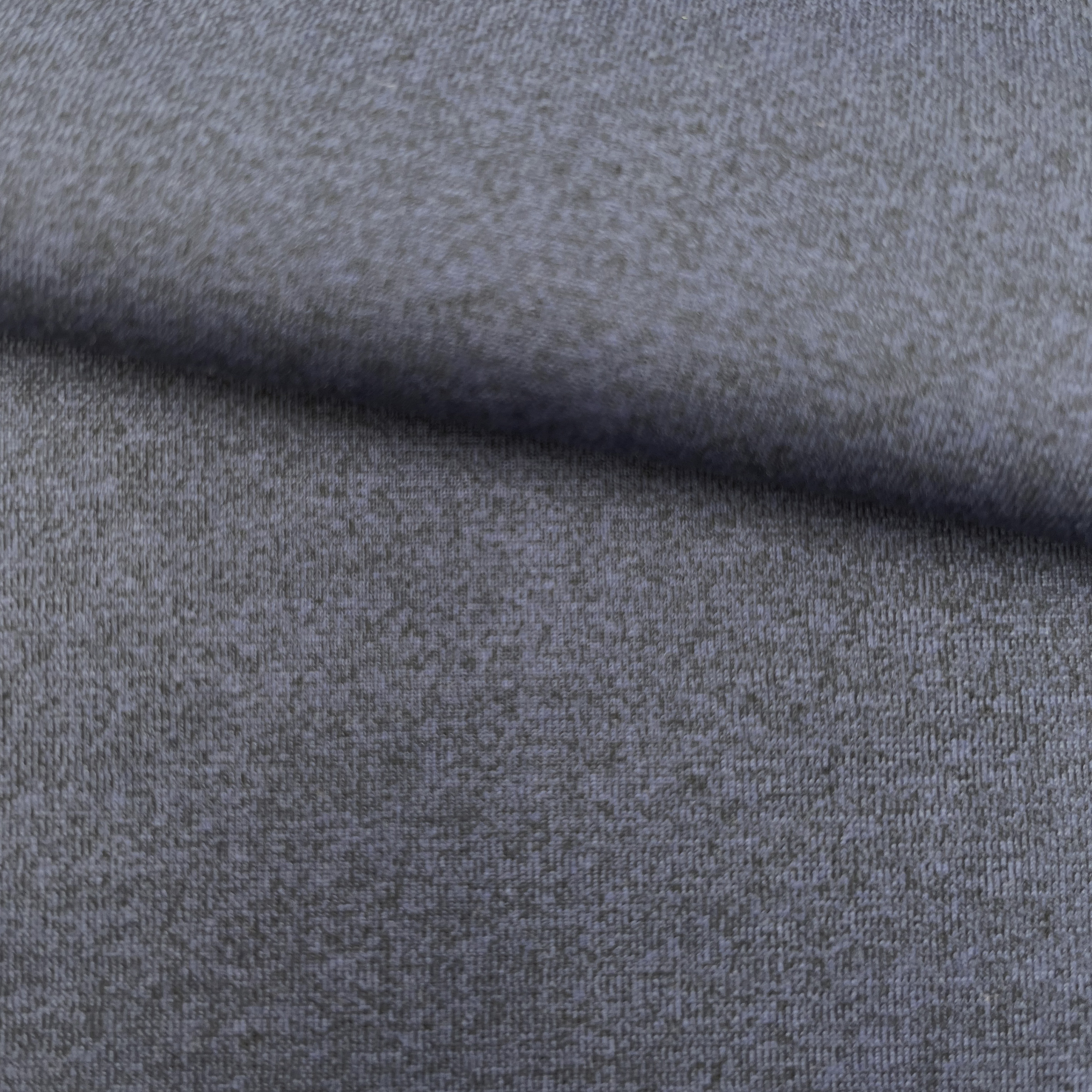
As Yitai, since 2004, we have manufactured sportswear knitted fabrics such as interlock fabric, nylon fabric, spandex fabric, polyester fabric etc. With excellent R&D group, marketing team, quality control system, experienced dyeing & finishing supporting facility and customer service system.
Haining Yitai Knitting Co., Ltd
No. 198 Canghai Road, Warp Knitting Zone, Haining City, Zhejiang, 314419, China Tel: +0086 135 6738 5757 Email: [email protected] [email protected] [email protected]FOLLOW US




 英语
英语 中文简体
中文简体