Article Directory
In the evolving landscape of performance textiles, the shift toward sustainability has raised critical technical questions for B2B buyers and swimwear manufacturers. The primary concern is whether eco friendly swimwear fabric—often derived from recycled polymers—can match the mechanical properties and chemical resistance of virgin petroleum-based nylon. Haining Yitai Knitting Co., Ltd, founded in 2004, has dedicated over 15 years to the research and development of high-quality performance knitting fabrics. Our focus has shifted from high-volume output to "intelligence creation," ensuring that our sustainable solutions meet the rigorous demands of professional aquatic environments.
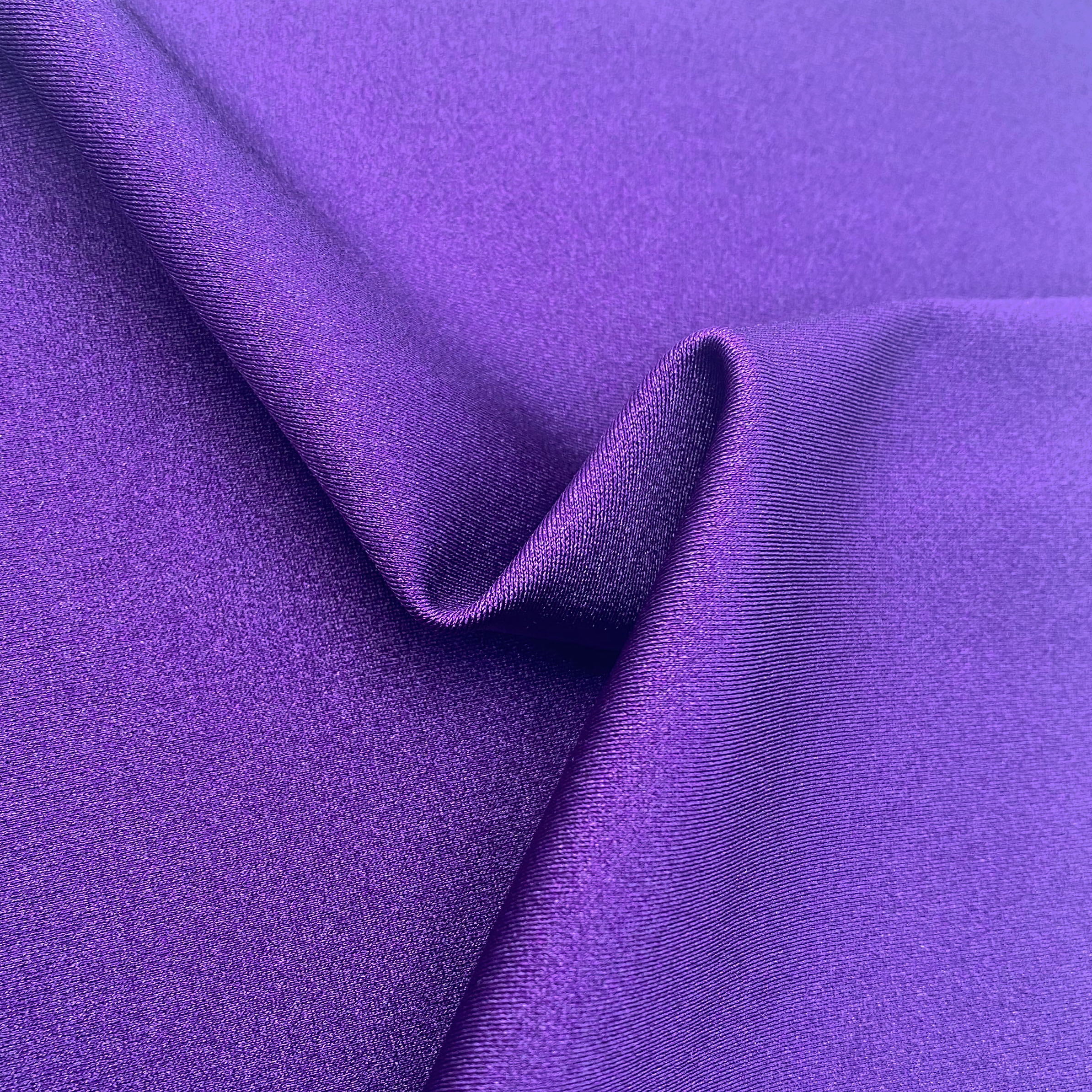
Traditional swimwear relies on Nylon 6 or 6,6 for its elasticity and strength. Modern sustainable recycled nylon for swimwear is engineered at the molecular level to be identical to its virgin counterparts. Through advanced depolymerization and repolymerization processes, recycled fibers achieve a high degree of crystalline stability. While early iterations of recycled textiles faced issues with tensile strength, current engineering standards ensure that the breaking force of recycled polyamide remains highly competitive with traditional nylon.
| Performance Metric | Traditional Virgin Nylon | High-Performance Eco-Friendly Fabric |
| Tensile Strength | Extremely High (Standard Baseline) | Comparable (95-100% of baseline) |
| Elastic Recovery | Excellent initial recovery | Excellent; improved by high-grade elastomer blends |
| Fiber Purity | Consistent molecular weight | High (After advanced purification processes) |
Source: ISO 20701:2024 Textiles — Determination of the content of recycled polyamide
Chlorine is a strong oxidizing agent that attacks the polymer chains and elastomeric fibers (spandex/elastane) within swimwear. The longevity of a garment depends on how the chlorine resistant recycled swimwear textile is finished. Modern eco-friendly fabrics are often treated with specialized anti-oxidant finishes and utilize "extra life" elastomers that resist the thinning and "bagging" common in low-quality materials. When comparing longevity, a high-spec eco friendly swimwear fabric treated for chlorine resistance can actually outperform budget-grade traditional nylon.
| Degradation Factor | Standard Nylon/Spandex Blend | Advanced Chlorine Resistant Recycled Fabric |
| Fiber Thinning | Occurs after 40-60 hours of exposure | Resistant up to 200+ hours (with XL elastane) |
| Color Retention | Prone to yellowing/bleaching | Superior color fastness to chlorinated water |
| Shape Retention | Significant loss after 3 months | High retention due to cross-linked elastomers |
Source: AATCC TM162-2025 Colorfastness to Water: Chlorinated Pool
At Haining Yitai Knitting, we emphasize the "dyeing and finishing supporting facility" as a core pillar of quality. Utilizing wholesale eco friendly fabric for activewear requires precision in the dyeing process to ensure the recycled fibers absorb pigments uniformly without compromising fiber integrity. Recent industry breakthroughs in 2024 have introduced bio-based finishing agents that enhance the hydrophobic properties of the fabric, reducing the absorption of chlorinated water and thus extending the life of the garment.
According to 2024 market statistics, the global market share for sustainable performance textiles has reached an all-time high, with a projected 8.4% growth rate as B2B customers prioritize biodegradable swimwear fabric technology and circular economy principles.
Source: Textile Exchange - Materials Market Report 2024
Beyond the pool, swimwear is exposed to intense UV radiation. Traditional nylon can become brittle under prolonged sun exposure. However, the latest sustainable recycled nylon for swimwear is often produced with built-in UV stabilizers. This dual-protection against both chemical (chlorine) and physical (UV) stressors ensures that the fabric maintains its hand-feel and structural elasticity for multiple seasons.
The engineering data confirms that eco friendly swimwear fabric is not merely a sustainable alternative but a high-performance competitor to traditional nylon. By focusing on higher quality and better supporting services, Haining Yitai Knitting Co., Ltd provides B2B partners with materials that satisfy both the environmental conscience and the performance requirements of the world stage. As we continue to improve and grow, we abide by the principle that "intelligence creation" is the key to subtley changing people's lives for the better.

As Yitai, since 2004, we have manufactured sportswear knitted fabrics such as interlock fabric, nylon fabric, spandex fabric, polyester fabric etc. With excellent R&D group, marketing team, quality control system, experienced dyeing & finishing supporting facility and customer service system.
Haining Yitai Knitting Co., Ltd
No. 198 Canghai Road, Warp Knitting Zone, Haining City, Zhejiang, 314419, China Tel: +0086 135 6738 5757 Email: [email protected] [email protected] [email protected]FOLLOW US




 英语
英语 中文简体
中文简体