Article Directory
For elite athletes and fitness enthusiasts, the physiological demands of high-intensity training necessitate apparel that functions as a second skin. One of the most critical components of this gear is the best underwear fabric for sweating, which must manage moisture, thermoregulation, and friction simultaneously. At Haining Yitai Knitting Co., Ltd, founded in 2004, we have spent over 15 years perfecting performance knitting fabrics. Our dedication to "intelligence creation and high quality" has allowed us to develop sophisticated textile solutions that go beyond basic aesthetics to address the complex thermodynamics of human perspiration during sports.
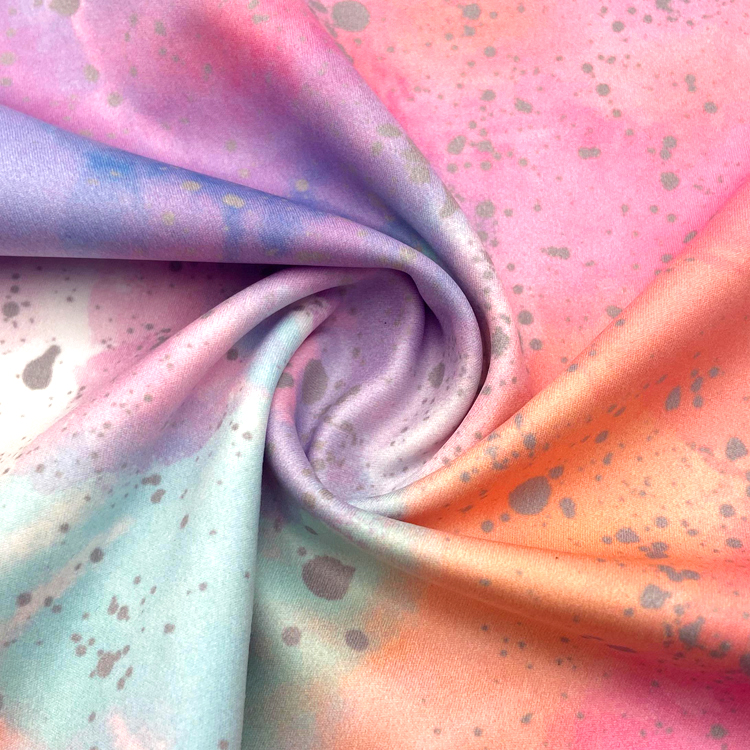
The primary function of a performance textile is to move liquid sweat away from the skin through capillary action. When evaluating moisture-wicking underwear for heavy sweaters, we must distinguish between absorption and transport. Natural fibers like cotton are hydrophilic, meaning they absorb moisture but hold it within the core of the fiber, leading to "wet-cling." In contrast, synthetic mesh technology utilizes hydrophobic polymers—such as polyester or polyamide—that are engineered with specific cross-sections to accelerate moisture transport to the outer surface for evaporation.
Natural fibers prioritize comfort and absorption, whereas synthetic mesh focuses on directional moisture movement and rapid dry times.
| Property | Natural Fibers (Cotton/Bamboo) | Synthetic Mesh (Polyester/Nylon) |
| Absorption Rate | High (Retains 25%+ of its weight) | Low (Less than 1% absorption) |
| Wicking Speed | Slow (Saturated fibers block airflow) | Fast (Capillary action via fiber shape) |
| Dry Time | Extended (Prone to bacterial growth) | Rapid (Engineered for evaporation) |
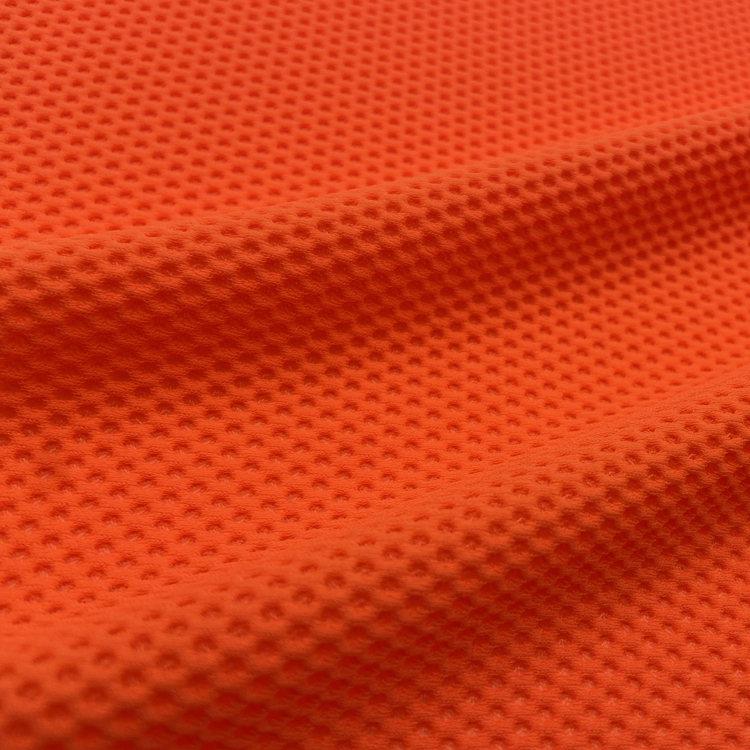
Synthetic mesh is not merely a material; it is a structural engineering feat. By varying the knit density, manufacturers can create "ventilation zones" that correspond to the body's high-heat areas. For those asking is bamboo underwear good for high-intensity sports, the answer is nuanced. While bamboo offers soft hand-feel and moderate anti-microbial properties, it cannot compete with the tensile strength and structural ventilation of synthetic mesh during vigorous movement. Synthetic filaments can be extruded into non-circular cross-sections (like X or Y shapes) to increase surface area, making them the best underwear fabric for sweating when airflow is restricted by outer layers of gear.
Natural fibers tend to lose their shape when wet, while synthetic mesh maintains a "porous" structure that allows for continuous air exchange.
| Structural Metric | Natural Fiber Weaves | Engineered Synthetic Mesh |
| Air Permeability (Wet) | Low (Fibers swell and close pores) | High (Rigid structure remains open) |
| Dimensional Stability | Poor (Stretches and sags when damp) | Excellent (Retains compression and fit) |
| Durability (High Friction) | Moderate (Prone to pilling) | High (Resistant to abrasion) |
While synthetics dominate the speed-of-dry category, natural fibers like Merino wool remain a strong contender for breathable underwear fabric for hot weather due to their unique vapor-management capabilities. Merino wool can absorb moisture vapor before it even turns into liquid sweat, a process known as heat of sorption. However, for high-intensity sports where sweat production exceeds the vapor-management threshold, the benefits of polyester vs cotton underwear become undeniable. Synthetic mesh handles the "flood" of liquid sweat far more efficiently than the limited saturation capacity of natural fibers.
Friction is the enemy of the high-intensity athlete. When natural fibers become wet, the friction coefficient increases, leading to skin irritation and "chafing." Synthetic mesh technology often includes low-denier filaments and flat-lock stitching to minimize mechanical irritation. When deciding how to choose underwear for sweat prevention, one must look at the yarn's "smoothness" and its ability to keep the skin dry, as dry skin is significantly more resistant to bacterial infections and fungal growth (like Tinea Cruris) than macerated, wet skin.
| Condition | Natural Fiber Response | Synthetic Mesh Response |
| Surface Friction (Wet) | High (Leads to abrasive chafing) | Low (Maintains slick surface) |
| Skin Health | Risk of maceration from dampness | Promotes dryness and skin barrier health |
| Odor Management | Naturally bacteriostatic (Merino/Bamboo) | Requires antimicrobial treatments (Silver/Zinc) |
For high-intensity sports, synthetic mesh technology remains the gold standard as the best underwear fabric for sweating. Its ability to mechanically transport liquid, maintain airflow when saturated, and resist the rigors of heavy friction makes it technically superior to natural fibers in a performance context. At Haining Yitai Knitting Co., Ltd, we continue to bridge the gap between textile science and human performance, ensuring that our knitting fabrics empower users to push their limits without the burden of moisture-related discomfort.
Generally, no. For high-intensity sports, cotton's tendency to hold water makes it heavy and cold. It is better suited for low-activity daily wear where sweat production is minimal.
Avoid fabric softeners. Softeners coat the synthetic fibers in a waxy layer that fills the moisture-wicking channels, effectively turning your high-tech gear into a non-breathable plastic bag.
It works excellently for low-to-medium intensity or cold-weather sports. However, in high-intensity heat, it may not dry fast enough to keep up with the volume of liquid perspiration.
A high-gauge synthetic mesh (Nylon/Spandex blend) or a micro-perforated polyester offers the highest air permeability (CFM) ratings for summer heat.
Yes. With 15 years of R&D experience, we specialize in developing custom knitting fabrics tailored to specific requirements for elasticity, weight, and moisture management for global brands.

As Yitai, since 2004, we have manufactured sportswear knitted fabrics such as interlock fabric, nylon fabric, spandex fabric, polyester fabric etc. With excellent R&D group, marketing team, quality control system, experienced dyeing & finishing supporting facility and customer service system.
Haining Yitai Knitting Co., Ltd
No. 198 Canghai Road, Warp Knitting Zone, Haining City, Zhejiang, 314419, China Tel: +0086 135 6738 5757 Email: [email protected] [email protected] [email protected]FOLLOW US




 英语
英语 中文简体
中文简体