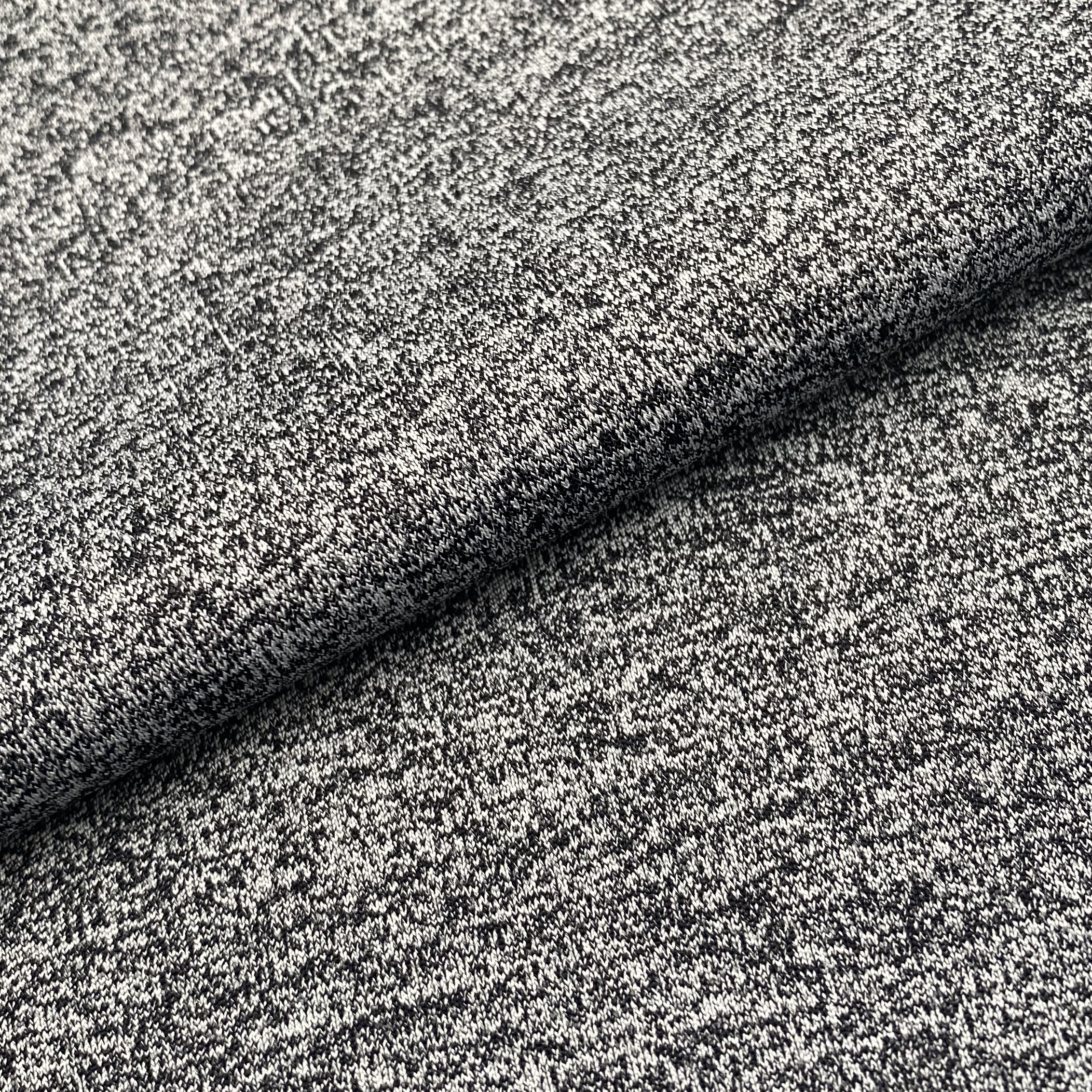
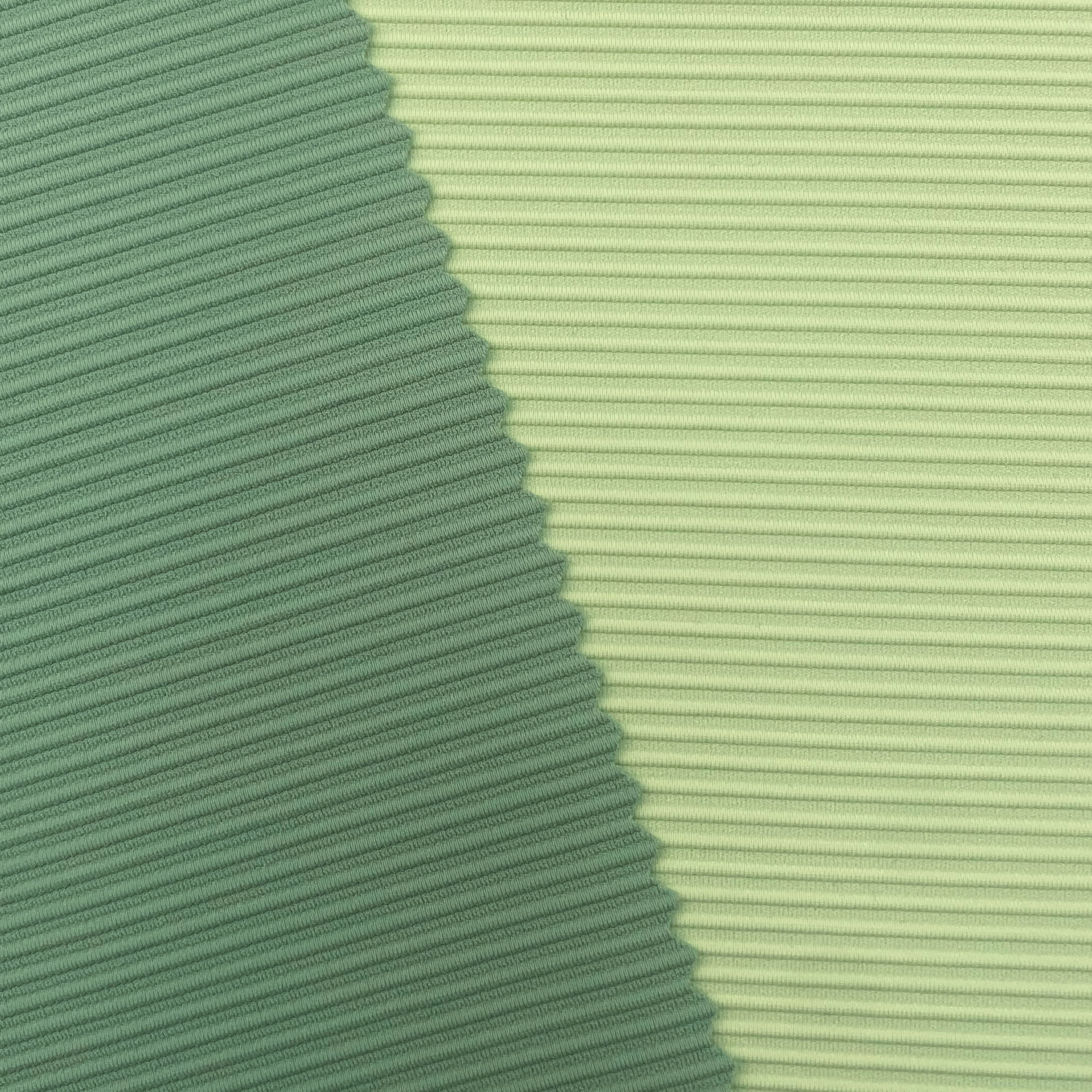
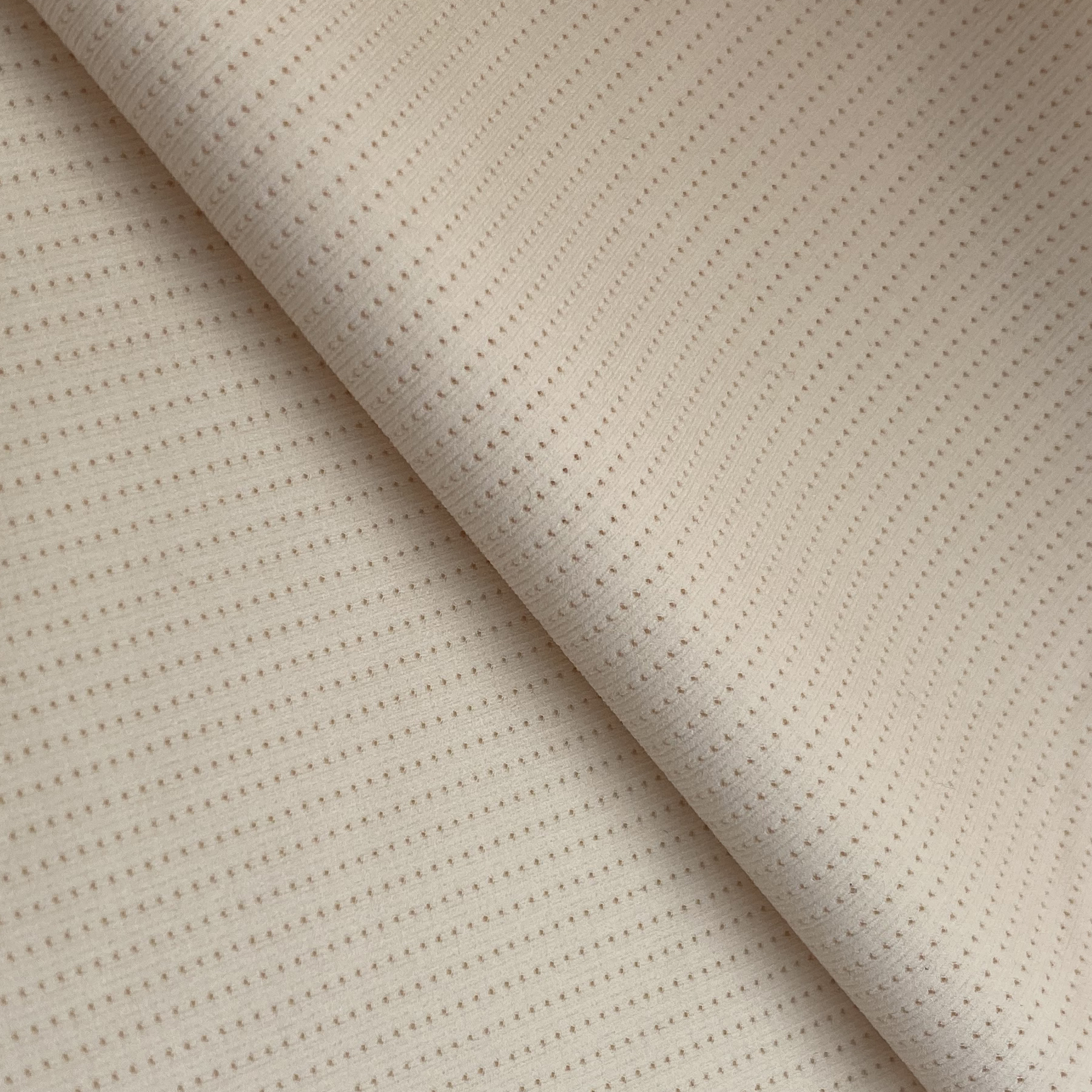
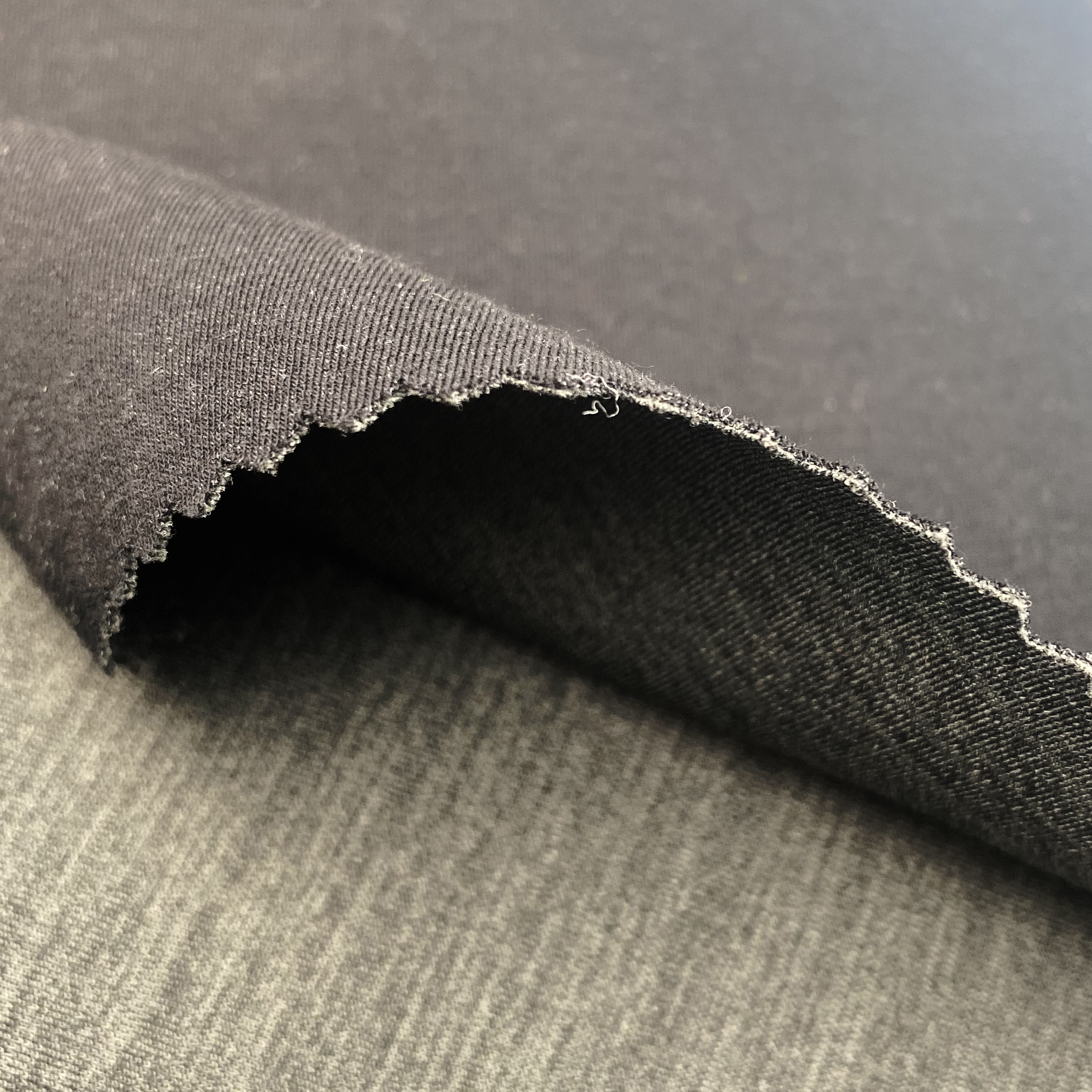
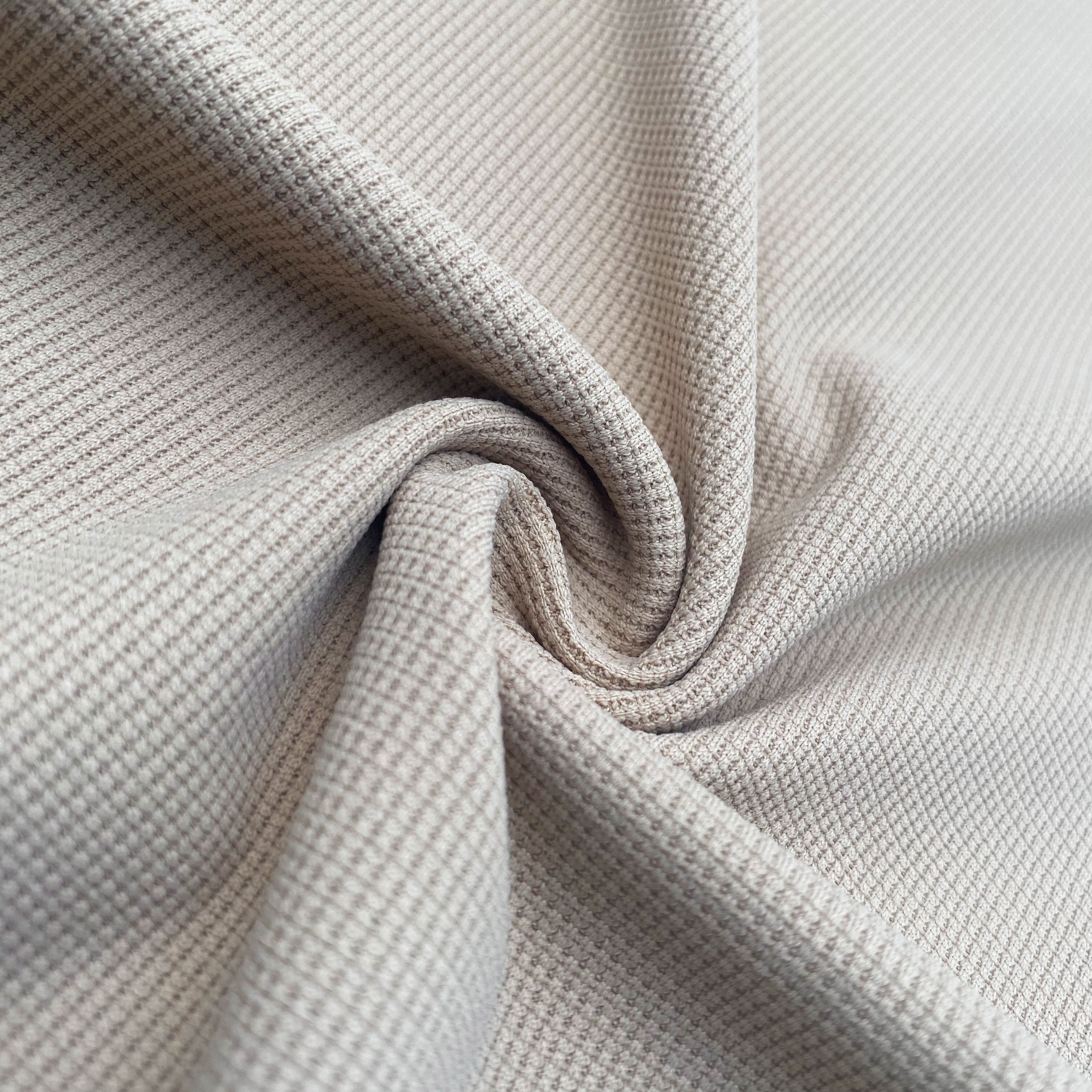
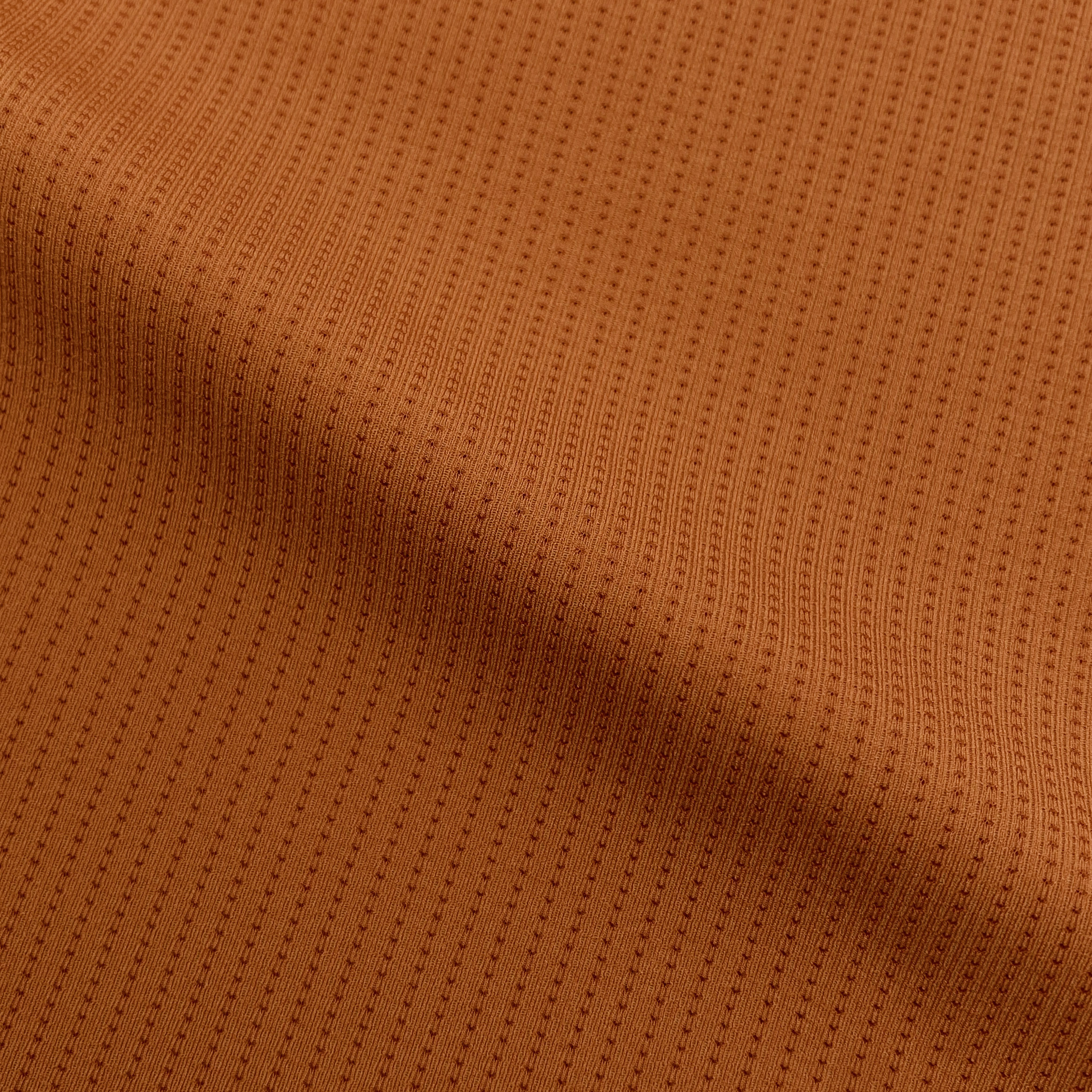
Haining Yitai Knitting Co., Ltd, established in 2004, has positioned itself as a technical leader among performance knitting fabric suppliers. Over 15 years, our R&D and dyeing & finishing facilities have focused on "intelligence creation," moving beyond high-volume output to prioritize technical parameters such as capillary action and skin-side pH balance. Our specialized best underwear fabric for sweating is engineered to provide comprehensive physiological support for individuals with hyperhidrosis or sensitive skin, ensuring material safety and effective thermal regulation on a global scale.
Advanced Fiber Morphology and Capillary Action Dynamics
- 1. Hydrophilic vs. Hydrophobic Balance: Effective moisture management relies on a dual-layer structure. Understanding how moisture-wicking fabric works for hyperhidrosis involves analyzing the denier of the fiber; a finer filament on the skin side pulls sweat toward the outer surface through capillary pressure.
- 2. Fiber Cross-Section Engineering: We utilize non-circular fiber profiles (such as X-shaped or Y-shaped cross-sections). This synthetic vs natural fabric for heavy sweaters debate is often settled by the increased surface area of engineered polyesters, which allows for a 30% faster evaporation rate than standard cotton.
- 3. Vapor Permeability: To reduce skin temperature, the fabric must maintain a high Air Permeability (ISO 9237). This breathable underwear fabric for sensitive skin prevents the "cling effect," which can trigger contact dermatitis in patients with hyperhidrosis.
Biocompatibility and Skin-Side Microclimate Control
- 1. Antibacterial Integration: Sweat itself is odorless, but bacterial breakdown causes odor. Integrating silver ion or zinc-based additives creates anti-odor fabric technology for excessive sweating, maintaining a bacteriostatic environment without migrating harmful chemicals to the skin.
- 2. pH Neutralization: Sensitive skin requires a material that maintains a pH of 4.5 to 5.5. Why bamboo fabric is good for sweating and sensitive skin is due to its natural porous structure, though processed Bamboo Viscose must be strictly monitored for residual chemicals during the finishing stage at Yitai.
- 3. Softness and Friction Reduction: To prevent chafing, the fabric undergoes mechanical softening. Micromodal vs cotton for sweat management testing shows that Micromodal maintains a lower coefficient of friction even when saturated, protecting the skin barrier.
Technical Comparison of Textile Substrates for Moisture Regulation
In the development of underwear for medical-grade sweat management, we compare materials based on their dry-time (AATCC 195) and liquid moisture management properties.
| Fabric Type |
Moisture Recovery % |
Drying Rate (ml/h) |
Skin Irritation Index |
| Organic Cotton |
8.5 |
0.12 |
Low |
| Engineered Polyester (Wicking) |
0.4 |
0.45 |
Neutral |
| Micromodal / Spandex Blend |
13.0 |
0.28 |
Extremely Low |
| Yitai Performance Knit |
Customizable |
>0.40 |
Validated Safe |
Mechanical Properties and Finishing Standards
- 1. Elasticity and Recovery: Underwear must maintain a close fit to maximize the wicking interface. High-stretch fabrics for hyperhidrosis underwear typically incorporate 5% to 15% Elastane (Lycra) to ensure the fabric remains in contact with the sweat glands.
- 2. Bursting Strength: Following ISO 13938-1, our performance knits maintain high bursting strength (typically >300 kPa) even after 50 wash cycles, ensuring long-lasting underwear fabric for active sweaters.
- 3. Dyeing and Finishing Safety: As a 15-year veteran in the industry, Yitai abides by OEKO-TEX Standard 100. Identifying the best non-toxic fabric for sensitive skin and sweating means ensuring the absence of formaldehyde and heavy metal dyes that could leach into open pores during heavy perspiration.
- 4. Thermal Conductivity: To actively cool the wearer, we select fibers with high thermal conductivity. Cooling fabrics for night sweats and hyperhidrosis work by rapidly conducting heat away from the body core to the environment.
Optimization for Dermatological Health
- 1. Seam Geometry: For sensitive skin, the knit construction itself is only half the battle. Our R&D group emphasizes flatlock stitching compatibility to reduce pressure points.
- 2. Moisture Management Tester (MMT) Grading: We grade our textiles based on the MMT indices for performance underwear, aiming for a "Top Grade" (Grade 5) in one-way transport capacity to keep the skin dry.
Engineering FAQ
- Does 100% cotton help with hyperhidrosis? While cotton is absorbent, it holds moisture (high regain) and dries slowly, which can lead to skin maceration. A blend or an engineered synthetic is often superior for heavy sweating.
- What is the ideal GSM for sweat-wicking underwear? A weight of 140 to 180 GSM (grams per square meter) provides the best balance of durability and breathability for base layers.
- How does silver-ion technology affect sensitive skin? When embedded within the fiber (rather than a surface coating), silver ions provide antibacterial benefits without direct skin irritation.
- Are recycled polyesters safe for sensitive skin? Yes, provided they undergo rigorous purification and meet OEKO-TEX standards to ensure no residual contaminants remain.
- How often should performance underwear be replaced? Due to salt buildup and fiber fatigue, we recommend replacement every 6 to 9 months for individuals with severe hyperhidrosis to maintain wicking efficiency.
Technical References
- ISO 9237: Textiles — Determination of the permeability of fabrics to air.
- AATCC 195: Liquid Moisture Management Properties of Textile Fabrics.
- ISO 105-E04: Textiles — Tests for colour fastness — Part E04: Colour fastness to perspiration.





 英语
英语 中文简体
中文简体