Article Directory
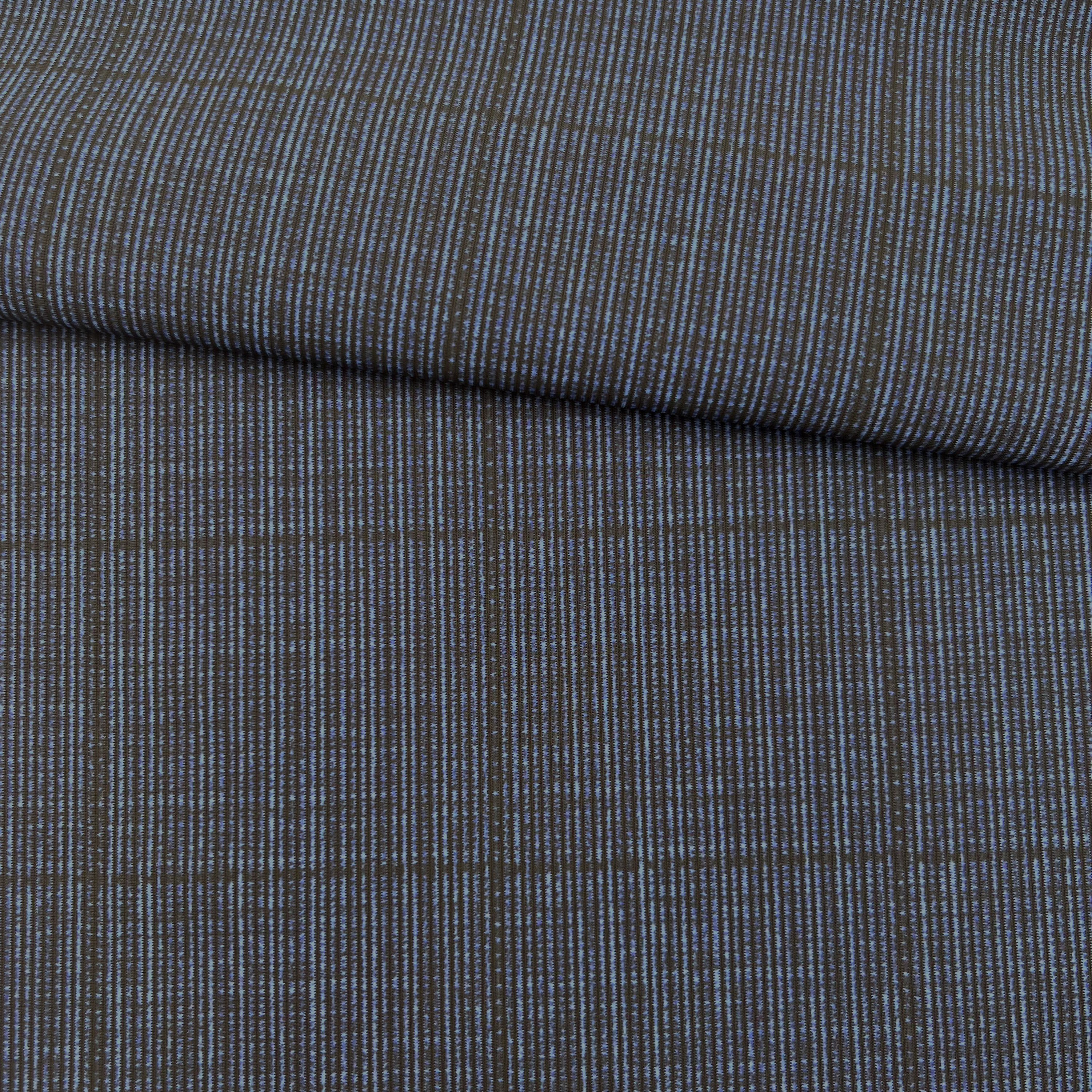
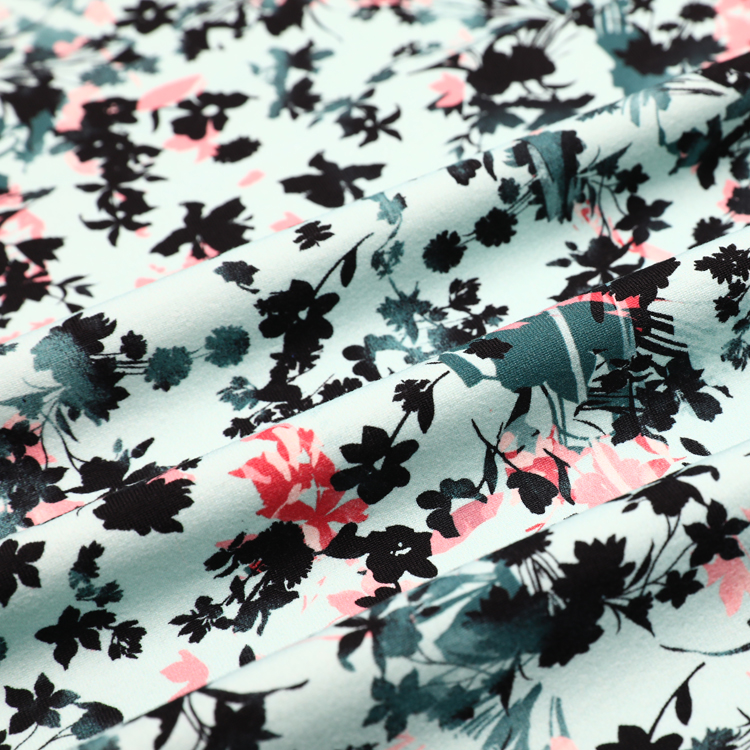
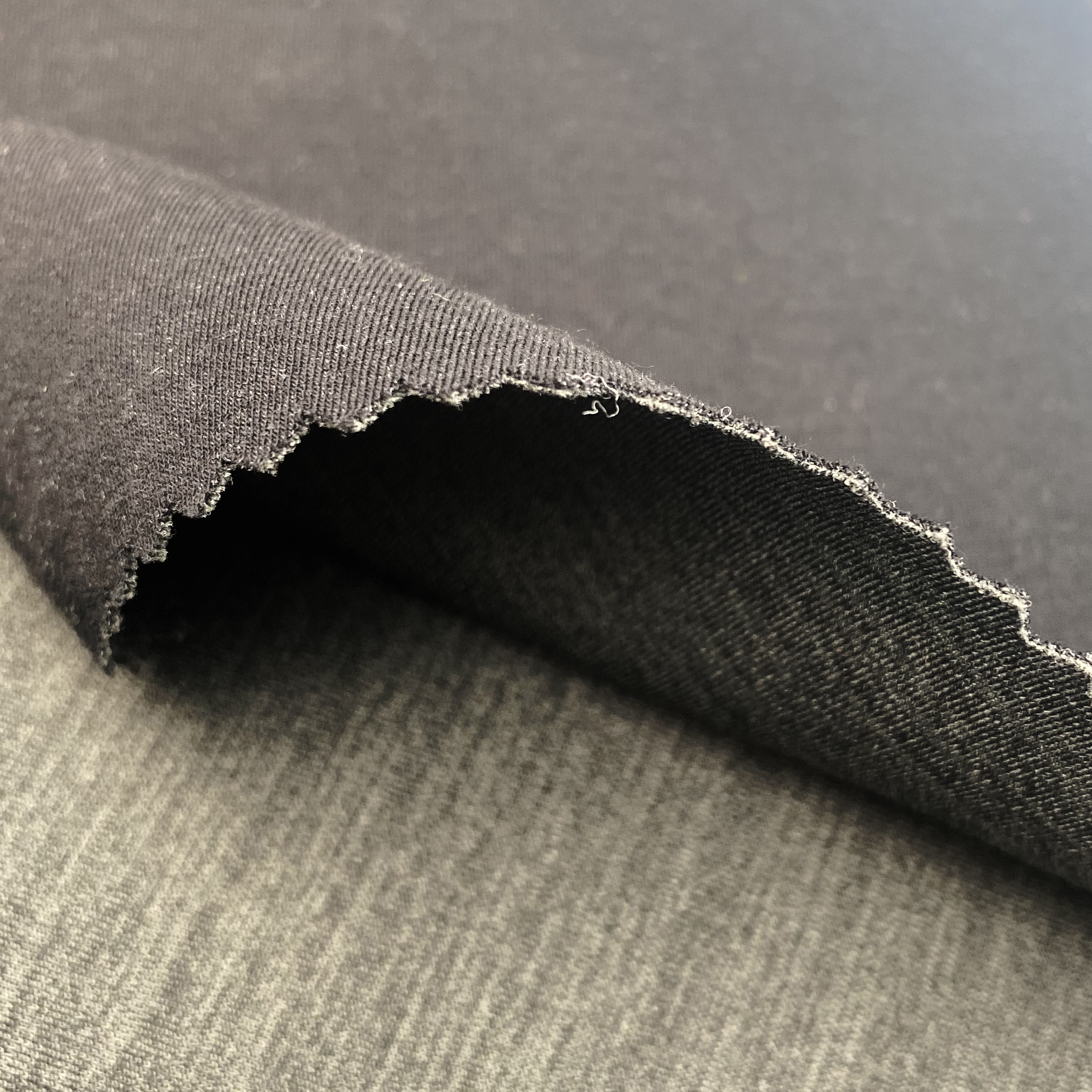
Knit fabrics are widely regarded as some of the most comfortable textiles available, and this is not accidental—it comes down to how they are constructed. Unlike woven fabrics, where threads cross each other at right angles, knit fabrics are made from interlocking loops of yarn. This loop structure creates built-in elasticity, breathability, and softness that woven fabrics simply cannot replicate at the same level.
Here is what drives the comfort of knit fabrics:
Fiber content also plays a major role. Cotton jersey—used in most everyday T-shirts—scores high for comfort but can feel heavy when wet. Modal and bamboo knits are exceptionally soft, often softer than standard cotton. Wool knits, such as merino, are remarkably comfortable even against sensitive skin because the fibers are fine enough not to scratch. Synthetic knits like polyester can feel less natural to some wearers, though modern microfiber versions have greatly improved in softness.
Yes, virtually all knit fabrics stretch—and this is one of their defining characteristics. The degree of stretch, however, varies significantly depending on the type of knit structure and whether elastane (spandex/Lycra) has been added.
Even without any added elastic fibers, a knit fabric stretches because its looped construction allows the loops to elongate under tension and return to their original shape when released. This is called mechanical stretch. A plain 100% cotton jersey T-shirt, for example, can stretch 25–50% in the horizontal direction due purely to this structure.
When elastane (commonly sold under the brand name Lycra or Spandex) is blended into a knit, the stretch increases dramatically and—critically—the recovery improves. This means the fabric returns to its original shape more reliably after being stretched. Common blends and their typical stretch performance:
| Fabric | Elastane content | Stretch capacity | Common uses |
|---|---|---|---|
| Cotton jersey | 0% | 25–50% (2-way) | T-shirts, casual wear |
| Cotton/elastane jersey | 2–5% | 50–75% (2-way) | Fitted tees, leggings |
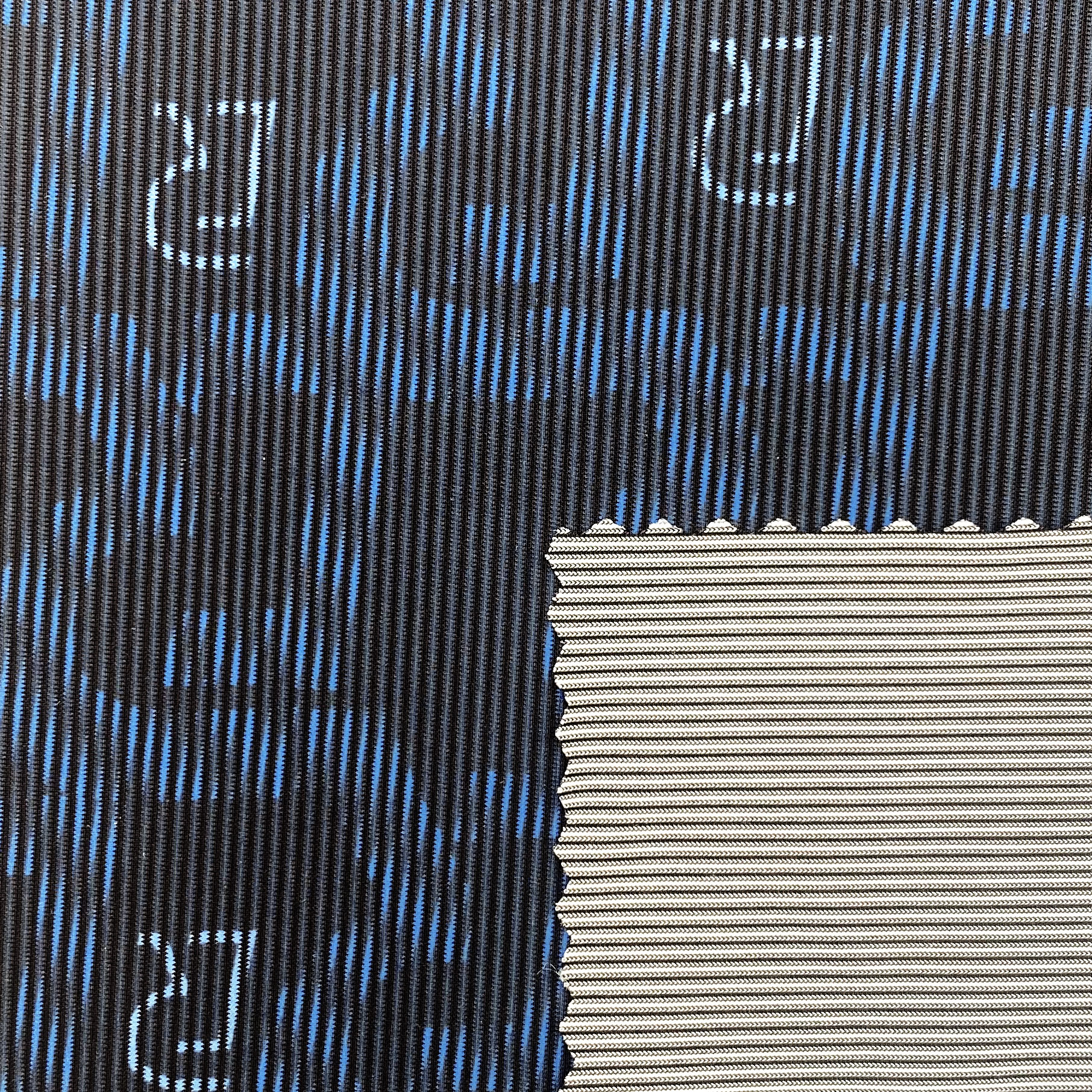
| Nylon/elastane (swimwear knit) | 15–20% | 100–200% (4-way) | Swimwear, activewear |
| Polyester/elastane (performance knit) | 10–15% | 75–150% (4-way) | Yoga pants, sports bras |
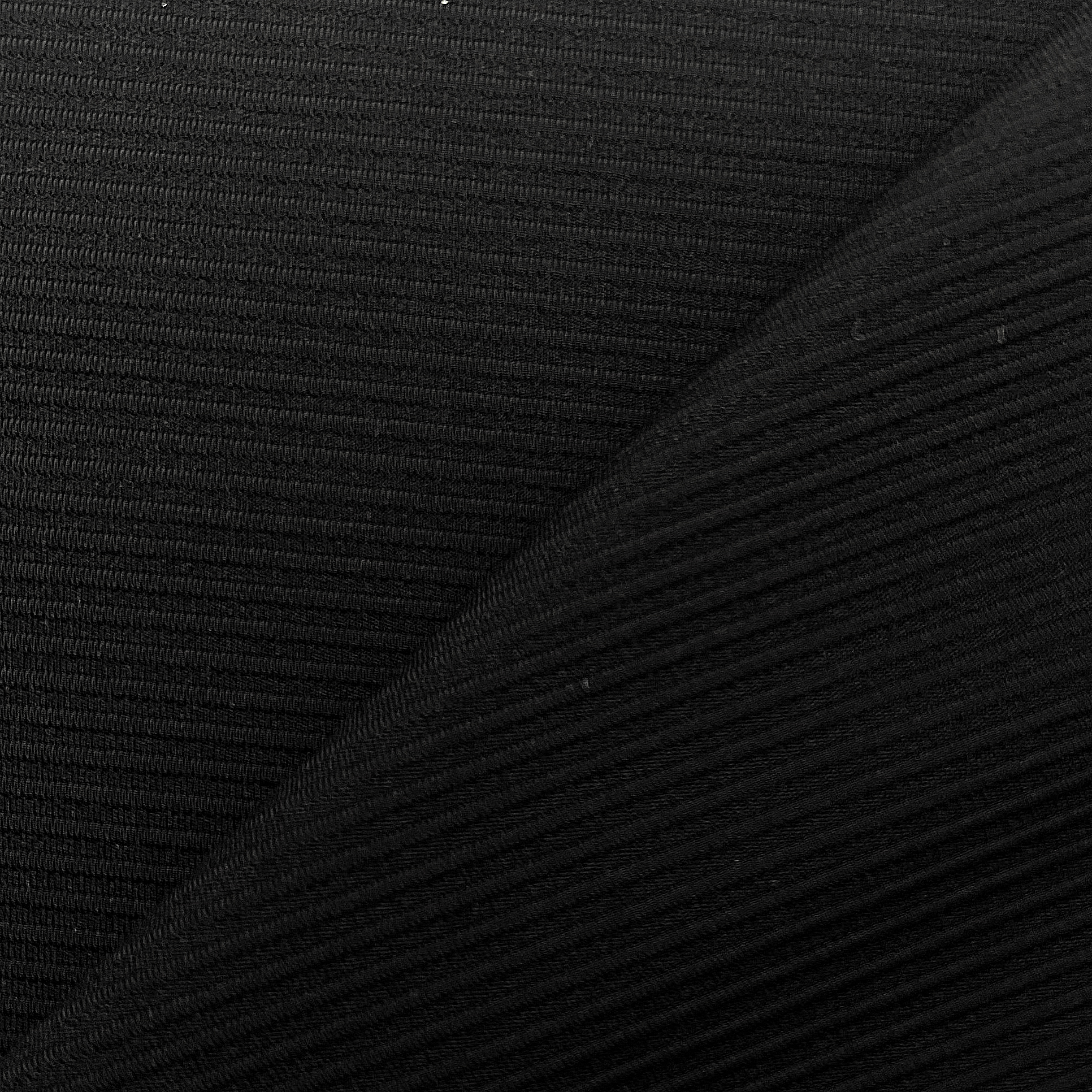
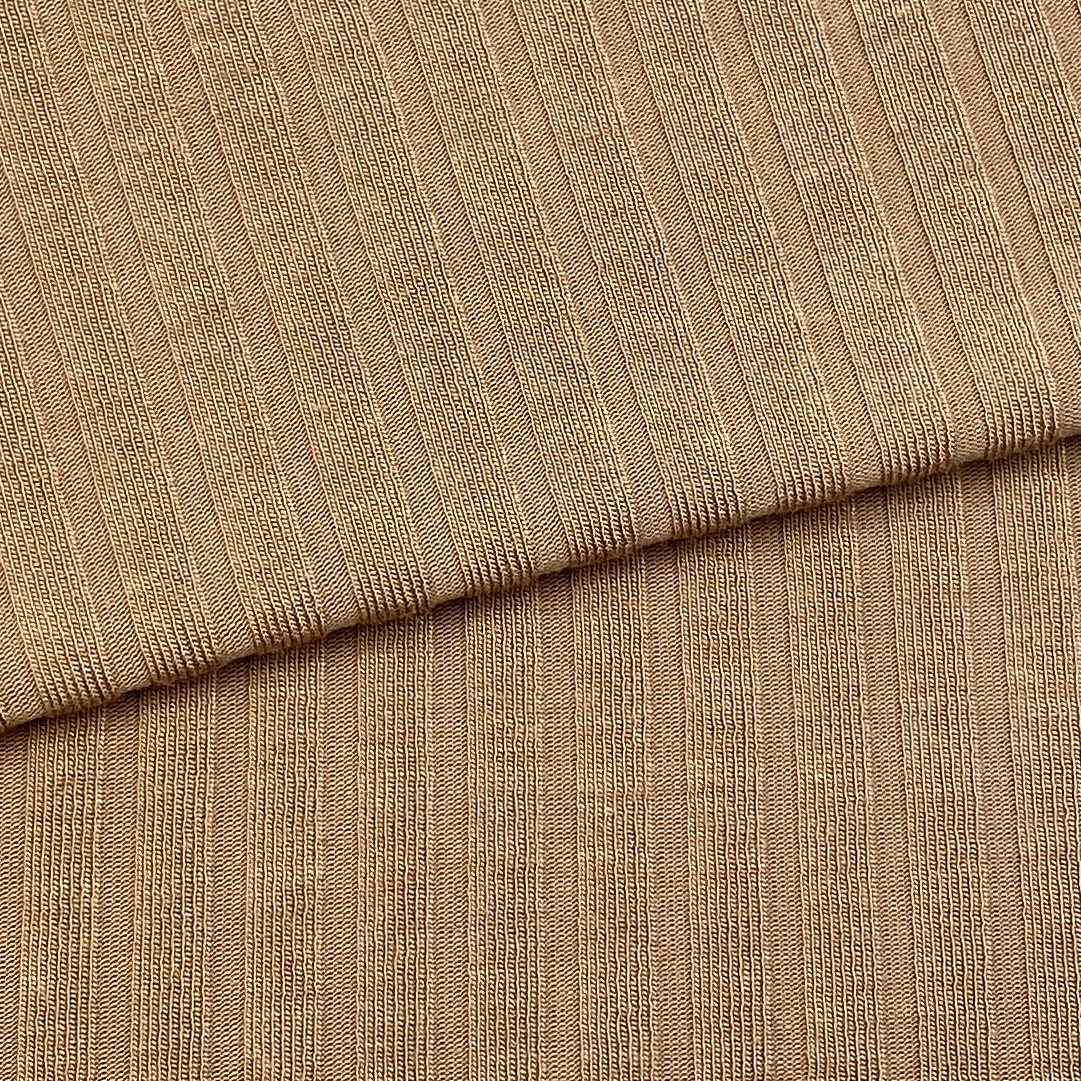
| Rib knit (cotton) | 0–5% | 50–100% (widthwise) | Cuffs, waistbands, tank tops |
A fabric with two-way stretch stretches in one direction (usually across the width). A fabric with four-way stretch stretches both horizontally and vertically. Most standard knits offer two-way stretch, while performance fabrics with a higher elastane content typically offer four-way stretch. For garments requiring unrestricted movement in all directions—such as gymnastic suits, swimwear, or compression garments—four-way stretch is essential.
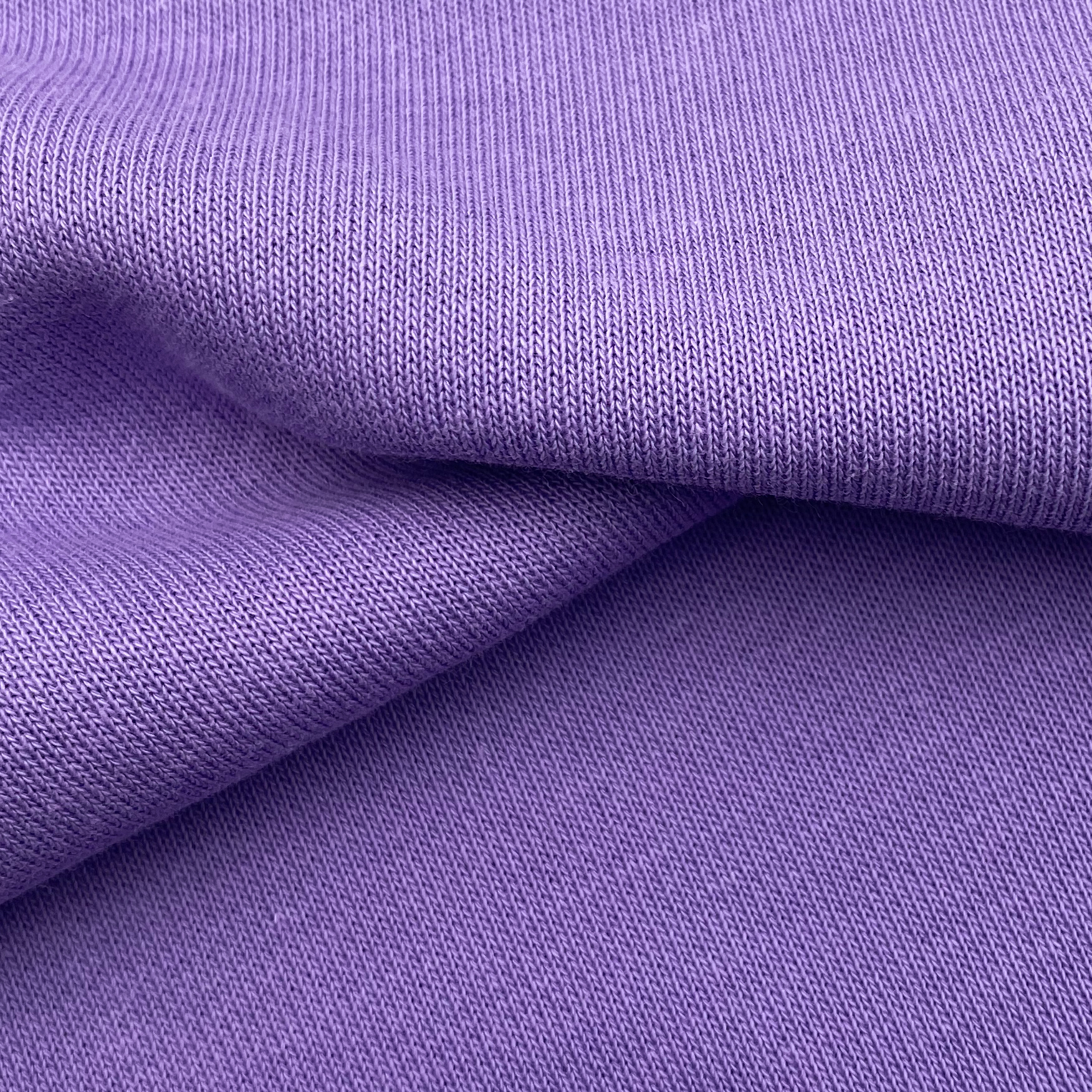
Beyond elastane content, the knit pattern itself influences stretch. A rib knit (the kind used on the cuffs and collar of sweatshirts) can stretch up to 100% of its width because of its alternating columns of raised and recessed loops. A double-knit fabric, by contrast, is more stable and stretches less than a single jersey.
Yes, knit fabrics can be dyed—but success depends almost entirely on the fiber content. The fiber determines which dye chemistry works, how vivid the final color will be, and whether the color will hold over time.
Natural fibers absorb dye readily because their protein- or cellulose-based structure bonds chemically with dye molecules.
A fabric blend, such as 60% cotton / 40% polyester (common in many jersey fabrics), presents a challenge: the cotton will absorb the dye fully while the polyester will resist it. This creates a heathered or two-tone effect—sometimes desirable, but often not what the dyer intended. If uniform color is the goal, choose a knit with 95%+ of a single dyeable fiber.
Understanding the differences between common knit fabric types helps in choosing the right material for a project, whether for sewing, crafting, or purchasing garments.
| Knit type | Comfort | Stretch level | Dye-ability | Best for |
|---|---|---|---|---|
| Jersey (cotton) | Very high | Moderate (2-way) | Excellent | T-shirts, casual tops |
| Rib knit | High | High (widthwise) | Good | Waistbands, cuffs, fitted tanks |
| French terry | Very high | Moderate | Good | Sweatshirts, hoodies |
| Fleece | Very high | Low–moderate | Moderate (if cotton) | Outerwear, loungewear |
| Ponte knit | High | Low–moderate | Moderate | Structured dresses, pants |
| Interlock | Very high | Moderate | Good | Baby clothing, underwear |
| Performance knit (polyester) | Moderate | Very high (4-way) | Poor | Activewear, swimwear |
Knit fabrics are relatively easy to care for, but a few missteps can permanently alter their stretch, shape, or softness.
With proper care, high-quality knit fabrics maintain their comfort, stretch, and appearance for years. A 100% cotton jersey T-shirt, for instance, can withstand hundreds of wash cycles with minimal change in texture or fit if washed in cold water and line-dried.

As Yitai, since 2004, we have manufactured sportswear knitted fabrics such as interlock fabric, nylon fabric, spandex fabric, polyester fabric etc. With excellent R&D group, marketing team, quality control system, experienced dyeing & finishing supporting facility and customer service system.
Haining Yitai Knitting Co., Ltd
No. 198 Canghai Road, Warp Knitting Zone, Haining City, Zhejiang, 314419, China Tel: +0086 135 6738 5757 Email: [email protected] [email protected] [email protected]FOLLOW US




 英语
英语 中文简体
中文简体