英语
英语 中文简体
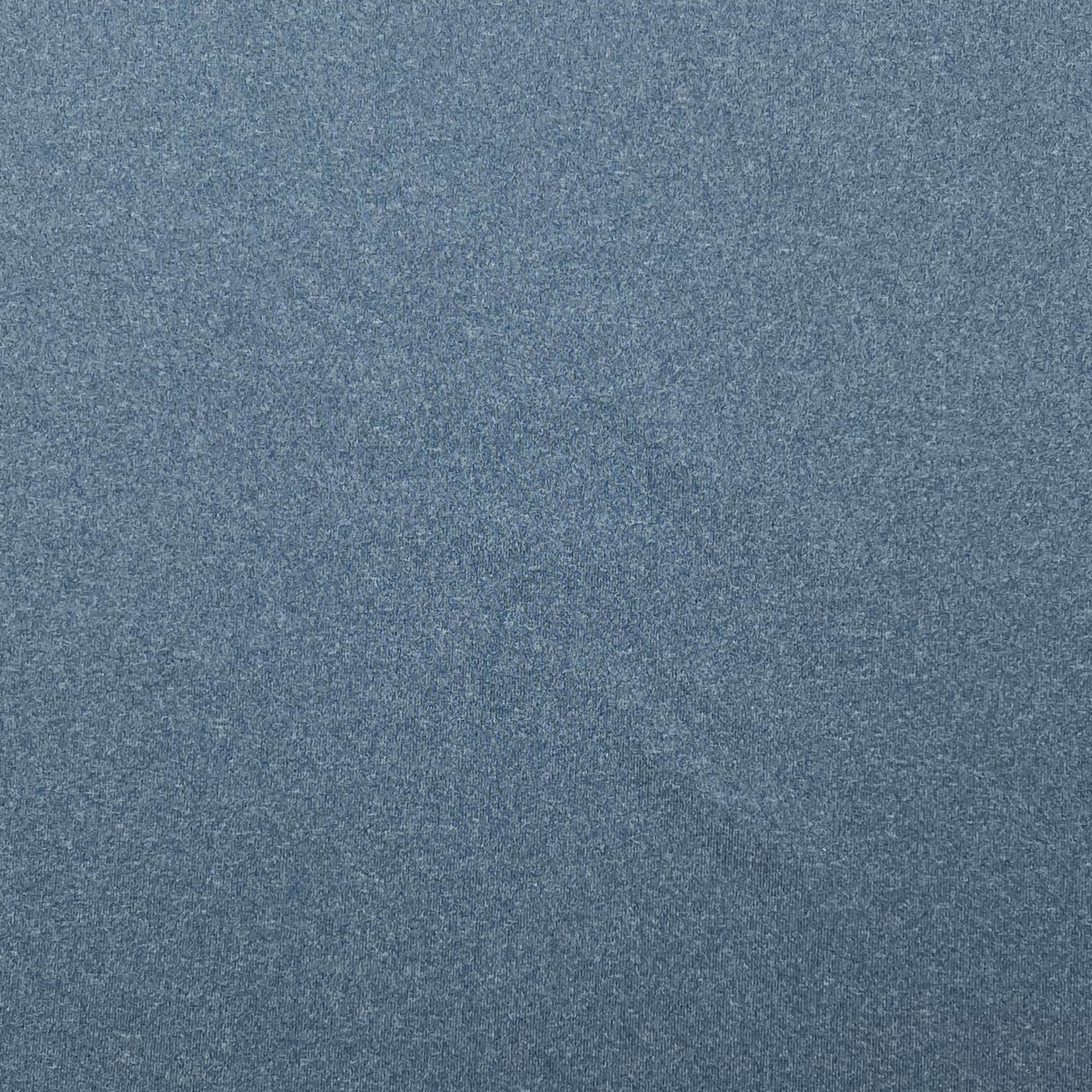
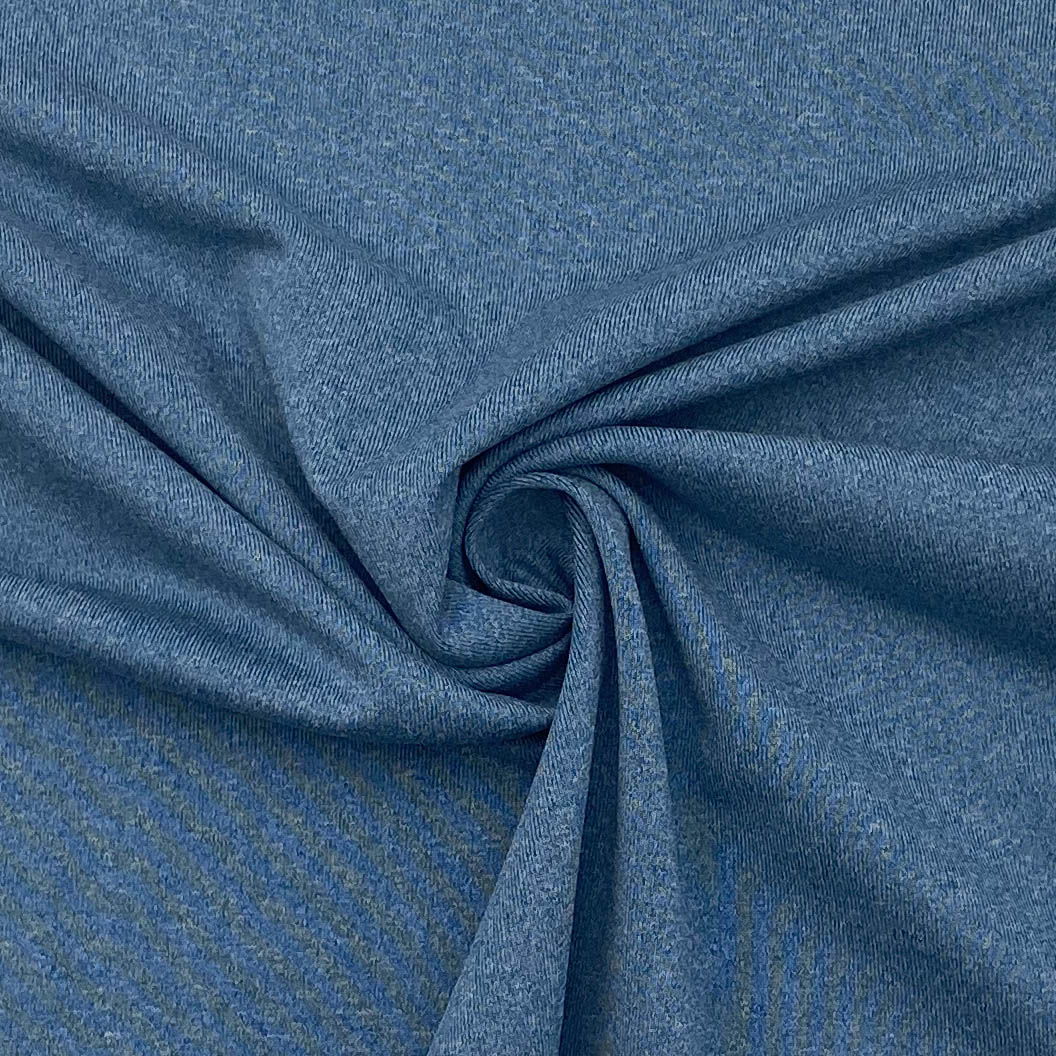
中文简体Activewear knit fabric is any stretch-capable, performance-engineered textile constructed through a loop-interlocking knitting process — as distinct from the over-under weaving of woven fabrics — that gives athletic apparel its defining properties: four-way stretch, moisture management, shape retention, and the freedom of movement that woven fabrics cannot replicate. The best activewear knit fabrics achieve 50–150% elongation in both length and width directions while recovering to within 5% of their original dimensions after 10,000 stretch cycles — a technical benchmark that separates genuine performance athletic knit fabric from fashion fabrics marketed with activewear styling but without the engineering to back it up.
What Makes Knit Fabric Right for Activewear
The fundamental advantage of knit construction in sportswear knit fabric comes from its loop structure. In a knitted fabric, yarn is formed into interlocking loops that can slide and realign relative to each other when the fabric is stretched, then spring back when tension is released. This behaviour is intrinsic to the structure — not added by a finish or coating — which means it persists through repeated washing and use in a way that stretch finishes on woven fabrics cannot.
Woven fabrics used in activewear (such as woven nylon shells or stretch wovens with elastane warp yarns) can achieve one-way or limited two-way stretch, but they require carefully engineered elastane content and specific weave structures to do so. Knit fabrics achieve comparable or greater stretch with simpler construction, lower production cost, and no reliance on the elastane yarns maintaining their elastic properties after repeated laundering. The comparison in practical performance terms:
| Property | Activewear Knit Fabric | Woven Athletic Fabric | Advantage |
|---|---|---|---|
| Stretch direction | Four-way (all directions) | One or two-way with elastane | Knit |
| Stretch recovery after 10,000 cycles | 95 – 98% recovery | 85 – 92% recovery | Knit |
| Seam comfort at high flex points | Excellent — seams stretch with body | Moderate — seams can restrict at flex | Knit |
| Wind and water resistance | Lower — open loop structure | Higher — denser weave blocks elements | Woven |
| Abrasion resistance | Moderate — loops can snag | Higher — flat interlaced surface | Woven |
| Moisture transport rate | High — loop structure holds moisture channel | Variable — depends on yarn and finish | Knit (with performance yarns) |
Types of Activewear Knit Fabric — Which Structure Suits Which Sport
Not all knit athletic fabric is interchangeable. The specific knit construction — the way loops are formed and interlocked — determines the fabric's weight, stretch direction, surface texture, and compression characteristics. Specifying the wrong knit structure for an application produces garments that either restrict movement, lose shape, or fail to manage moisture in the required way.
Single Jersey — The Lightweight Foundation
Single jersey is the simplest knit construction, formed by one set of needles creating a single layer of interlocking loops. The result is a lightweight, fine-gauge fabric with excellent drape and a characteristic difference between the smooth face (visible loop feet) and the textured reverse (visible loop heads). In activewear applications, single jersey knit fabric typically weighs 120–200 gsm and is used for running T-shirts, lightweight athletic dresses, yoga tops, and base layer tops where breathability and minimal weight are prioritised over compression or structure. The stretch is good in both directions but particularly pronounced across the fabric width (course direction), making single jersey naturally conforming without requiring high elastane content.
Double Knit (Interlock) — Stability for Athletic Dresses and Dresses
Interlock fabric is formed by two interlocked sets of single jersey loops creating a double-faced fabric that looks identical on both sides and has no natural curl at its edges. This stability makes interlock the preferred knit athletic fabric for garments that require clean, finished edges without hemming — particularly knit active dresses and knit athletic dresses where the hem falls freely without rolling. Interlock fabric for activewear typically weighs 200–280 gsm, stretches evenly in both directions, and maintains its shape under repeated washing better than single jersey equivalents. The firmer hand of interlock also makes it the choice for structured athletic shorts and polo-style athletic shirts where some body is needed alongside stretch.
Rib Knit — Compression and Recovery for Functional Athletic Wear
Rib knit constructions alternate knit and purl loops in vertical columns, creating a fabric with pronounced vertical ridges that can stretch to twice its relaxed width and contract back powerfully. This high compression-and-recovery characteristic makes rib knit indispensable in performance athletic knit fabric applications including waistbands, cuffs, collar bands, and compression garments. A 2x2 rib (alternating two knit columns and two purl columns) used for a legging waistband can extend to fit a range of body sizes while maintaining consistent compressive force across that range — a functional requirement no woven elastic can match over time.
Four-Way Stretch Warp Knit (Tricot and Raschel) — High-Performance Applications
Warp knit fabrics are constructed by machines that simultaneously loop multiple yarns in the warp (lengthwise) direction rather than the single yarn used in weft knitting. The result is a highly stable, relatively inextensible fabric in the warp direction with significant stretch across the width — unless construction techniques specifically engineer four-way stretch. Tricot and Raschel warp knits used in performance sportswear knit fabric applications achieve exceptional snag resistance (their loop connections make runs impossible, unlike weft knits), precise stretch control, and the ability to engineer specific compression zones within a single panel by varying the knit structure across the fabric width. Compression sports tights and swimwear are the primary applications.
Yarn Composition in Knit Athletic Fabric — What Each Fibre Contributes
| Fibre | Content Range in Athletic Knits | Key Performance Contribution | Limitation |
|---|---|---|---|
| Polyester | 60 – 100% | Moisture wicking, dimensional stability, colour fastness, durability | Lower inherent softness than natural fibres; static build-up in some constructions |
| Nylon (Polyamide) | 15 – 80% | Superior abrasion resistance, softness, dyeability, higher strength-to-weight | Higher cost than polyester; slightly lower UV resistance without stabiliser |
| Elastane (Spandex/Lycra) | 5 – 25% | Four-way stretch elasticity, compression, shape retention | Degrades with heat and chlorine; reduces fabric breathability at high content |
| Merino wool | 50 – 100% (in wool athletic knits) | Natural odour resistance, temperature regulation, moisture management | Higher cost, requires careful laundering, limited abrasion resistance |
| Recycled polyester (rPET) | 50 – 100% | Same performance as virgin polyester; reduced environmental impact | May have slightly higher pilling tendency in early generations of yarn |
| Polypropylene | 30 – 70% | Lowest moisture absorption of any common textile fibre; excellent wicking | Poor dyeability — limited to solution-dyed colour options |
The dominant formulation in contemporary fabric athletic knit for mainstream athletic apparel is 87–88% polyester and 12–13% elastane — a ratio that balances moisture management, stretch performance, production cost, and washability. Premium performance fabrics for competitive sports applications increasingly use nylon-elastane blends at 80/20 for improved softness and abrasion resistance in high-contact sports. Natural fibre blends with merino or bamboo derivatives occupy the lifestyle and outdoor athletic segment where odour management and tactile comfort outweigh maximum stretch performance.
Knit Active Dress and Knit Athletic Dress — Fabric Selection Criteria
The knit active dress category — athletic dresses intended for tennis, golf, padel, running, and general gym use — presents specific fabric requirements that differ from both conventional athletic separates and from fashion knitwear. The fabric must simultaneously:
-
Maintain opacity during movement: Athletic dresses are worn without fixed underlayer coverage in many contexts, making fabric opacity under stretch a critical specification. A fabric that appears opaque at rest but becomes translucent when stretched across the seat or thighs fails a basic functional requirement. Test for opacity by stretching the fabric to its in-use elongation (typically 30–40% for a well-fitted athletic dress) and checking against a contrasting background. Fabrics above 200 gsm in opaque polyester constructions typically pass; fabrics below 160 gsm or with open-loop structures often fail.
-
Provide adequate drape without clinging: A knit athletic dress fabric must drape naturally through its full length — typically 70–90 cm from shoulder to hem — without the rigid silhouette of a structured woven garment or the body-hugging cling of a high-elastane compression fabric. Interlock fabric at 220–260 gsm with 8–12% elastane content strikes this balance for most knit active dress applications: the elastane provides enough recovery to maintain shape through movement, while the interlock structure's stability prevents the fabric from over-conforming to the body.
-
Resist permanent creasing at waistband and hem: Athletic dresses worn during prolonged seated activity — as in golf or spectating — must not develop permanent crease marks at the back hem or waist seam. High-elastane knit fabrics recover from these compressive creases within minutes of standing; low-elastane or natural-fibre knit athletic dresses may require steam to remove permanent crease marks after extended wear. This property is directly testable: fold the fabric tightly, hold for 10 minutes under light pressure, release, and measure crease recovery after 30 minutes.
-
Produce stable seams without rolling or puckering: The natural elasticity of knit fabrics that makes them comfortable in wear makes them challenging to sew. Side seams in knit athletic dresses must be sewn with a stitch that stretches with the fabric — typically a four-thread overlock (serger) stitch, a twin-needle straight stitch, or a cover stitch — or the seams will break under first wear. Lightweight single jersey requires finer needle gauges (75/11 or 80/12) and lower stitch tension than heavier interlock to prevent skipped stitches and seam puckering.
Performance Fabric Technologies in Modern Sportswear Knit Fabric
Beyond basic fibre composition and knit construction, modern athletic knit fabric incorporates engineered performance technologies that address specific athletic requirements. Understanding these technologies helps brands and buyers evaluate supplier claims against measurable performance outcomes:
Moisture Management — Wicking and Quick-Dry Engineering
Moisture management in knit athletic fabric is achieved through two mechanisms that operate simultaneously: surface wetting (wicking) and evaporative transport. The wicking function is typically engineered into the fibre cross-section — polyester fibres with cruciform, trilobal, or channelled cross-sections create capillary channels that pull moisture along the fibre surface away from the skin before it can absorb into the textile. The evaporative function requires the fabric construction to permit airflow — loop structures in knit fabrics naturally permit more airflow than equivalent-weight woven fabrics, which is why moisture evaporates faster from performance knit athletic wear than from comparable woven athletic shells of the same thickness.
Standardised moisture management testing (AATCC 195 Liquid Moisture Management Properties or AATCC 79 Absorbency) allows objective comparison between fabrics. A performance knit athletic fabric should achieve a wicking rate above 3 mm per 30 seconds in the vertical wicking test and a spreading speed above 2 mm/second in the spreading speed test. Fabrics marketed as moisture-wicking but untested to these standards may simply be hydrophilic (absorbing moisture into the fibre) rather than genuinely wicking (transporting moisture along the fibre surface), a distinction with major consequences for comfort during sustained exercise.
Compression Zoning in Athletic Knit Fabric
Graduated compression in athletic leggings and performance tights is achieved not by applying compression bands to a uniform fabric, but by engineering different knit structures and elastane content levels into different panels of a single garment. A performance compression tight might use a heavy rib construction with 20% elastane at the calf for graduated venous return support (18–21 mmHg at the ankle, 14–17 mmHg at the calf), transition to a flat-lock interlock construction at mid-thigh, and use a brushed-surface single jersey at the waistband for comfort against the skin. Each zone requires its own fabric specification and testing against compression standards (ISO 11092 for thermal comfort; RAL-GZ 387 for medical compression garments).
Thermal Regulation — Cold and Warm Weather Athletic Knit
Knit athletic wear for cold conditions uses two engineering approaches: fleece-backed constructions that trap an insulating air layer on the inner face while maintaining a smooth, moisture-wicking outer surface, and phase-change material (PCM) microcapsule finishes that absorb and release heat at specific transition temperatures to buffer the wearer's microclimate. Fleece-backed athletic knit fabrics (single jersey with brushed or pile inner surface) are the dominant cold-weather construction, used in running jackets, thermal base layers, and winter training tops. The pile height and density determine both insulation value and moisture management — high-pile constructions insulate better but dry more slowly because trapped moisture takes longer to evaporate through the pile structure.
Fabric Weight Selection Guide for Knit Athletic Wear
| Weight Range (gsm) | Feel and Drape | Primary Knit Athletic Applications | Season Suitability |
|---|---|---|---|
| 100 – 150 gsm | Ultra-lightweight, sheer, high drape | Mesh panels, running singlets, lightweight layering pieces | Summer, tropical climates |
| 150 – 200 gsm | Lightweight, excellent drape, good stretch | Running T-shirts, yoga tops, knit active dresses (lightweight) | Spring, summer, indoor training |
| 200 – 260 gsm | Medium weight, structured, versatile | Knit athletic dresses, training shorts, polo tops, sports leggings | Year-round; most versatile weight range |
| 260 – 340 gsm | Substantial, compression-capable, warm | Compression leggings, mid-layer athletic tops, structured athletic wear | Autumn, winter, outdoor training |
| 340 gsm and above | Heavy, insulating, structured | Fleece athletic jackets, cold-weather training tops, thermal base layers | Winter, cold climate outdoor sports |