Article Directory
If you are looking for the best fabric for activewear, the answer is clear: activewear knit fabric — specifically moisture-wicking stretch knits such as nylon-spandex, polyester-spandex, and performance jersey — delivers the ideal combination of stretch, breathability, and durability that active movement demands. Understanding the differences between these fabric types will help you select the right material for every garment.
Activewear places unique demands on fabric. Unlike casual clothing, performance garments must flex with the body, manage sweat, resist wear, and retain their shape through repeated washing and movement. The fabric must meet several functional criteria:
Knit construction is central to meeting these requirements. Unlike woven fabrics, knit fabrics are made from interlocking loops of yarn, giving them inherent stretch and recovery without the need for excess ease in pattern cutting.
Not all knit fabrics perform equally in activewear. Below is a breakdown of the most widely used performance knit fabric types, their composition, and their best applications.
| Fabric Type | Typical Composition | Key Properties | Best For |
|---|---|---|---|
| Nylon-Spandex | 75–85% Nylon, 15–25% Spandex | Exceptional softness, excellent stretch recovery, chlorine resistance | Leggings, swimwear, yoga pants |
| Polyester-Spandex | 80–92% Polyester, 8–20% Spandex | Superior moisture wicking, colorfast, budget-friendly | Running gear, gym tops, cycling shorts |
| Performance Jersey | Poly blend or cotton-poly-spandex | Lightweight, breathable, soft hand feel | Training tops, casual activewear, sports bras |
| Supplex Nylon | 100% Nylon (textured) | Cotton-like feel, UV protection, quick-dry | Outdoor fitness, hiking, yoga |
| Brushed Fleece Knit | Polyester or poly-spandex with brushed interior | Thermal insulation, soft inner layer | Cold-weather workouts, warm-up sets |
Leggings are arguably the most technically demanding activewear garment. They must offer compression without restriction, opacity under pressure, and comfort across hours of movement. The best knit fabric for leggings typically combines 70–80% nylon with 20–30% spandex.
Nylon provides a buttery, smooth surface that resists pilling and wears well against the skin. At 200–300 GSM (grams per square meter), nylon-spandex fabric offers enough weight for full opacity while remaining lightweight enough for athletic use. Studies from textile testing labs show nylon-spandex retains over 95% of its original stretch after 50 wash cycles — a key longevity advantage over cotton blends.
Polyester-spandex is a popular alternative for leggings at a lower price point. It excels in moisture wicking — moving sweat 30–40% faster to the fabric surface than cotton — making it a strong choice for high-intensity training sessions. The trade-off is a slightly less luxurious hand feel compared to nylon.
For squat-proof performance, look for a tightly knitted four-way stretch construction with a GSM of at least 230. Double-layered waistbands cut from the same knit fabric add structure without bulk.
Activewear jersey fabric refers to a category of single or double-knit fabrics with a smooth face and looped back. In performance contexts, jersey is typically constructed from polyester or a poly-cotton-spandex blend, producing a fabric that is light, breathable, and easy to cut and sew.
Performance jersey is most commonly used in training tops, sports bras, and casual activewear sets. Its open knit structure promotes airflow, making it ideal for warm-weather or indoor workouts where ventilation matters more than compression. A standard activewear jersey weight falls between 140–180 GSM — light enough to feel airy, heavy enough to maintain shape.
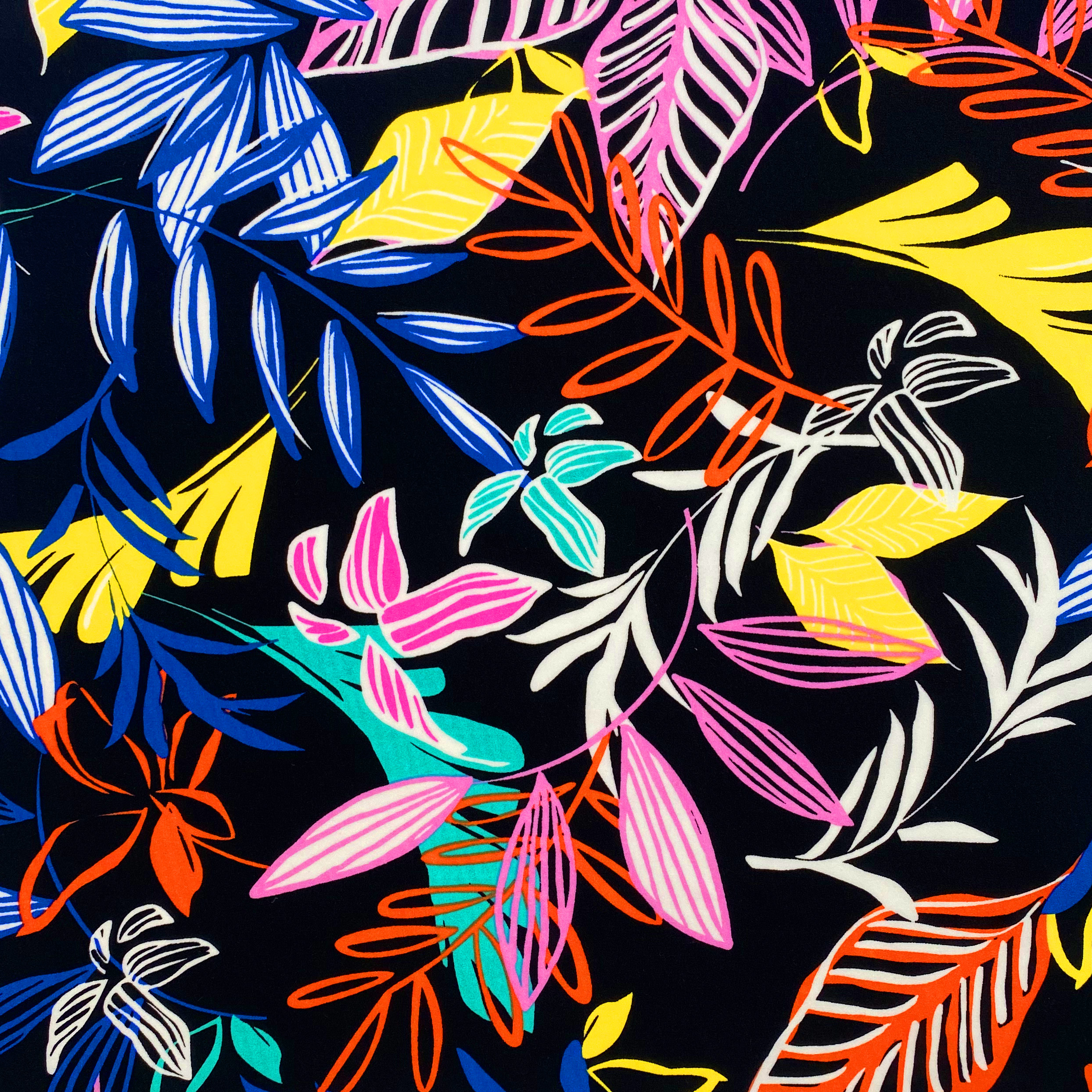
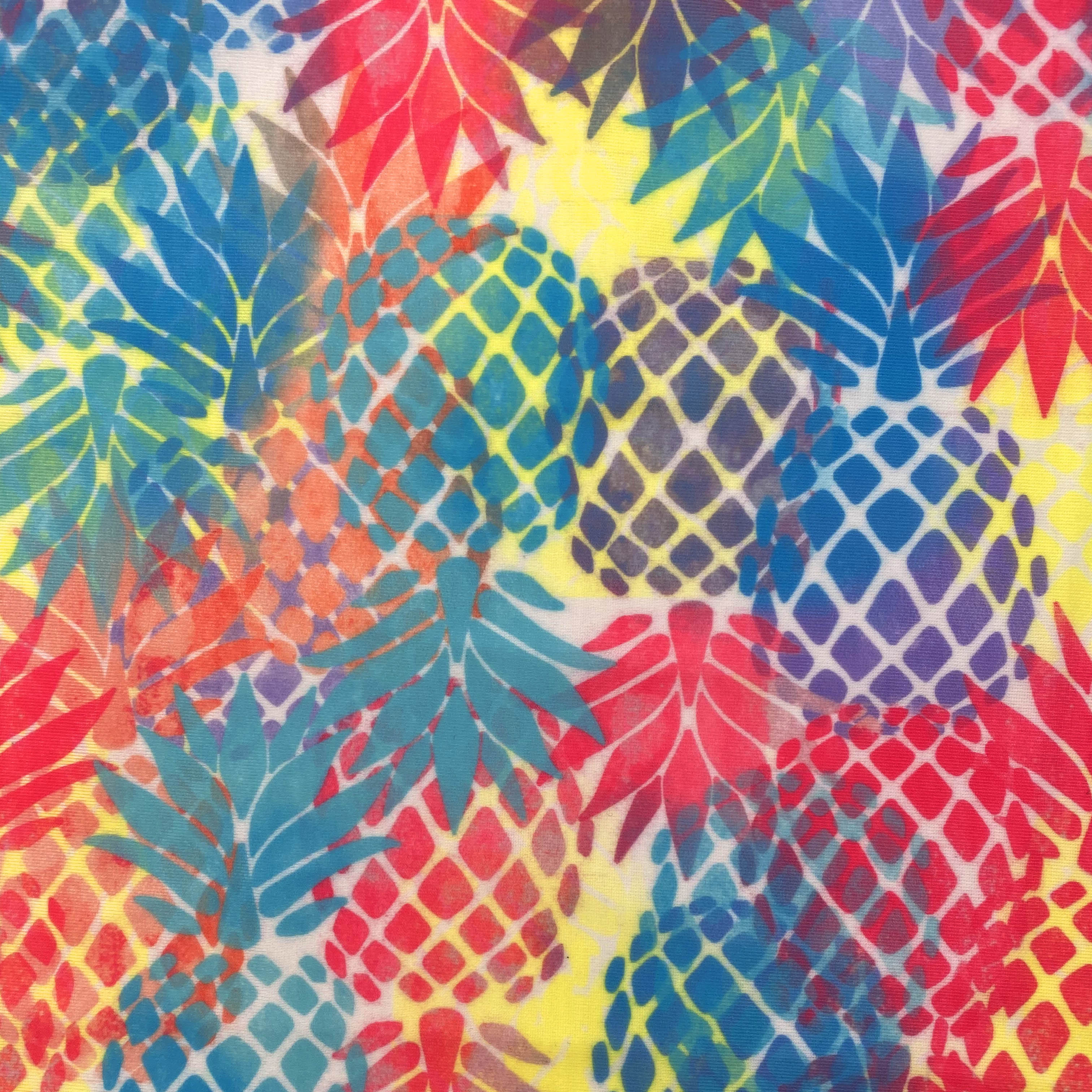
One of the practical advantages of activewear jersey is printability. Sublimation printing bonds deeply to polyester jersey, producing vibrant, long-lasting graphics that do not crack or peel — a major reason it is favored for team uniforms and branded athletic apparel.
The right fabric depends on the specific performance demands of the garment. Use the following guide to match fabric to application:
Two technical specifications help narrow fabric selection: GSM (fabric weight) and stretch percentage. GSM measures the density of the fabric; higher GSM means more coverage and compression. Stretch percentage indicates how far the fabric extends before returning to its resting state.
For reference:
Stretch percentage for activewear knits typically ranges from 50% (moderate) to 100% or more (four-way high stretch). Garments with seams placed under stress — such as crotch seams in leggings — benefit from fabrics with at least 80% stretch recovery to prevent distortion during wear.
While synthetic fabrics dominate performance activewear, natural fiber knits have a role in specific contexts. Merino wool knit is used in base layers for outdoor activities where temperature regulation across varied conditions is essential. Merino manages moisture through absorption rather than wicking, keeping the wearer comfortable across both cold and mild temperatures.
However, for mainstream activewear — leggings, sports bras, training tops — synthetic knits consistently outperform natural fibers on speed of drying, stretch recovery, and wash durability. A pure cotton knit absorbs up to 27 times its weight in water and dries slowly, making it a poor choice for high-intensity use. Cotton-spandex blends improve this somewhat but still lag behind polyester and nylon for moisture management.
Even the highest-quality performance knit fabric degrades faster with improper care. Follow these guidelines to preserve stretch, color, and moisture-wicking performance:

As Yitai, since 2004, we have manufactured sportswear knitted fabrics such as interlock fabric, nylon fabric, spandex fabric, polyester fabric etc. With excellent R&D group, marketing team, quality control system, experienced dyeing & finishing supporting facility and customer service system.
Haining Yitai Knitting Co., Ltd
No. 198 Canghai Road, Warp Knitting Zone, Haining City, Zhejiang, 314419, China Tel: +0086 135 6738 5757 Email: [email protected] [email protected] [email protected]FOLLOW US




 英语
英语 中文简体
中文简体