Article Directory
In the specialized field of technical textiles, the mechanical performance of a material is the bridge between textile engineering and patient care. The 4 way stretch knit fabric is no longer just a staple of activewear; it has become a critical substrate for medical-grade compression and post-surgical recovery garments. Haining Yitai Knitting Co., Ltd, founded in 2004, has dedicated over 15 years to the research and development of performance fabrics. By focusing on "intelligence creation and high quality," we have established a sophisticated R&D group and a strict quality control system. Our 4 way stretch knit fabric is engineered to provide precise tension and durability, meeting the rigorous demands of the healthcare sector where consistent pressure is vital for healing. This article examines the structural mechanics of these fabrics and why they are superior for therapeutic applications.
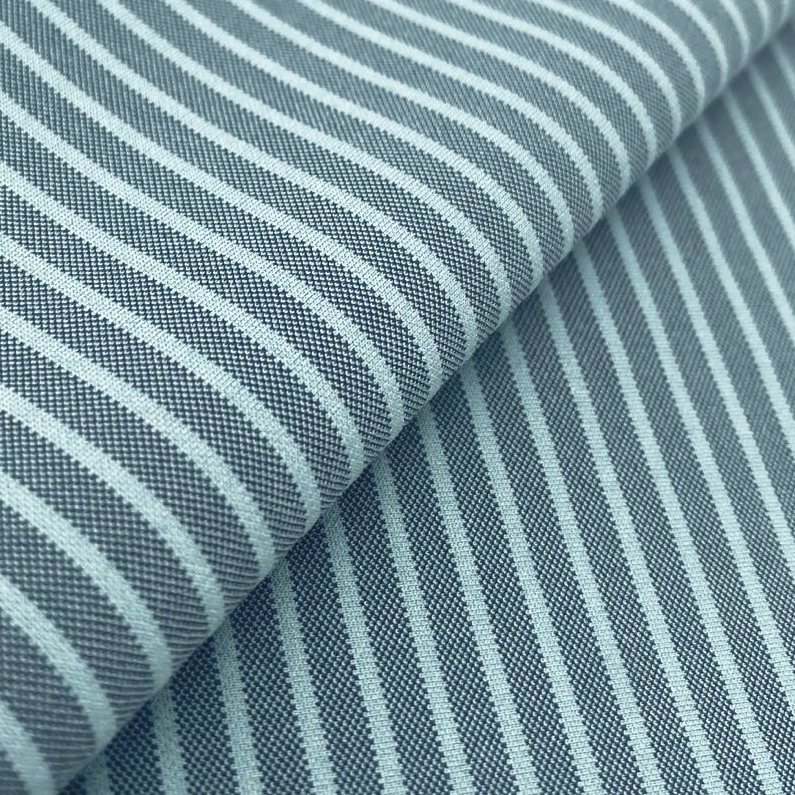
The primary engineering advantage of a 4 way stretch knit fabric is its ability to extend both crosswise and lengthwise simultaneously. For medical compression, this multidirectional elasticity ensures that the garment can contour to complex anatomical shapes while maintaining a constant modulus of elasticity. Unlike 2-way stretch materials, which may create uneven pressure "pockets," 4-way variants distribute tension uniformly across the limb or torso. This is essential for compression fabric for lymphedema management, where gradual and consistent pressure is required to facilitate lymphatic drainage. While 2-way fabrics offer high tension in one direction, they lack the adaptive fit necessary for moving joints, whereas 4-way knits maintain therapeutic pressure during patient mobility.
The structural versatility of 4-way stretch allows for a more "active" fit that responds to the physiological changes of the wearer during the recovery process.
| Mechanical Property | 2-Way Stretch Knit | 4 Way Stretch Knit Fabric |
| Stress Distribution | Linear (Unidirectional) | Omnidirectional (360-degree support) |
| Anatomical Contouring | Limited (May bunch or slip) | Superior (Molds to body curves) |
| Pressure Stability | Variable during movement | Consistent (Dynamic stability) |
For post-surgical recovery, the elastic recovery of 4 way stretch fabric is perhaps its most critical technical metric. Medical garments must exert a specific pressure range (measured in mmHg) for extended periods without experiencing "creep"—the permanent elongation of fibers under stress. High-quality spandex blend knit fabric properties include a high recovery percentage, meaning the fabric returns to its original dimensions after being stretched. If a fabric loses its recovery strength, the compression level drops, rendering the garment medically ineffective. Haining Yitai Knitting utilizes advanced dyeing and finishing facilities to lock in the polymer memory of the spandex, ensuring that our fabrics withstand the repeated laundering required in clinical environments.
The structural integrity of the knit also dictates its thermoregulatory properties. A breathable 4 way stretch fabric must maintain its porosity even when under maximum tension. In medical-grade garments, trapped moisture can lead to skin maceration and increase the risk of infection at surgical sites. Engineering the knit density is a delicate balance: the fabric must be tight enough to provide compression, yet open enough to facilitate moisture vapor transmission. This moisture wicking knit fabric for medical use ensures that the microclimate between the skin and the garment remains dry and cool, which is essential for patient comfort during the 24/7 wear cycles required after surgery.
Synthetic blends engineered by professional suppliers provide the durability and moisture management that natural fibers cannot achieve in a medical context.
| Performance Factor | Cotton-Based Stretch | Engineered Synthetic 4-Way Knit |
| Moisture Absorption | High (Retains sweat) | Low (Transports moisture away) |
| Durability (Laundering) | Degrades quickly | High (Industrial wash resistant) |
| Tension Retention | Weakens over time | Excellent (Long-term stability) |
A soft 4 way stretch fabric for sensitive skin is non-negotiable for patients with fresh incisions or compromised skin barriers. The structural integrity of the knit includes the smoothness of the surface. Technical fabrics for medical use are often produced with fine-gauge knitting machines to minimize friction. At Haining Yitai Knitting Co., Ltd, we focus on "high quality" by ensuring our finishing processes remove any chemical residues or abrasive fibers. This reduces shear force on the skin, which is a major factor in preventing skin irritation from compression garments. When a patient feels comfortable, compliance with the compression therapy increases, leading to better surgical outcomes.
The role of 4 way stretch knit fabric in medical-grade applications is a testament to the evolution of performance textiles. By providing multidirectional support, high elastic recovery, and superior moisture management, these fabrics are indispensable tools for post-surgical recovery and chronic condition management. Haining Yitai Knitting Co., Ltd remains dedicated to forging ahead on the world stage, abiding by the "customers come first" philosophy. Our unremitting efforts in R&D and quality control ensure that our fabrics continue to change people's lives through intelligence creation and high-standard manufacturing.
Sewing medical-grade 4-way stretch requires ballpoint needles and specialized stretch stitches (like zigzag or overlock) to ensure the seams can expand along with the fabric without popping under pressure.
For medical-grade compression, a high spandex content (typically 15% to 30%) is paired with high-performance nylon or polyester to provide the necessary "snap-back" and tension retention.
Yes. Due to its superior contouring and consistent pressure distribution, it is the preferred choice for pressure therapy used in hypertrophic scar prevention after burn injuries.
Absolutely. Our R&D and quality control systems are designed to produce fabrics that meet high-load requirements without sacrificing the soft hand-feel needed for skin contact.
It prevents heat buildup and moisture accumulation, which are uncomfortable for the patient and can interfere with the wound-healing process by promoting bacterial growth.

As Yitai, since 2004, we have manufactured sportswear knitted fabrics such as interlock fabric, nylon fabric, spandex fabric, polyester fabric etc. With excellent R&D group, marketing team, quality control system, experienced dyeing & finishing supporting facility and customer service system.
Haining Yitai Knitting Co., Ltd
No. 198 Canghai Road, Warp Knitting Zone, Haining City, Zhejiang, 314419, China Tel: +0086 135 6738 5757 Email: [email protected] [email protected] [email protected]FOLLOW US




 英语
英语 中文简体
中文简体