Article Directory
4 way stretch fabric stretches both horizontally and vertically, making it the most flexible textile option available for activewear, swimwear, and cosplay. To answer the most common questions directly: yes, it can shrink if washed incorrectly; yes, it is generally better for cosplay than 2-way stretch; and yes, you should stretch the fabric while sewing seams that need to move with the body.
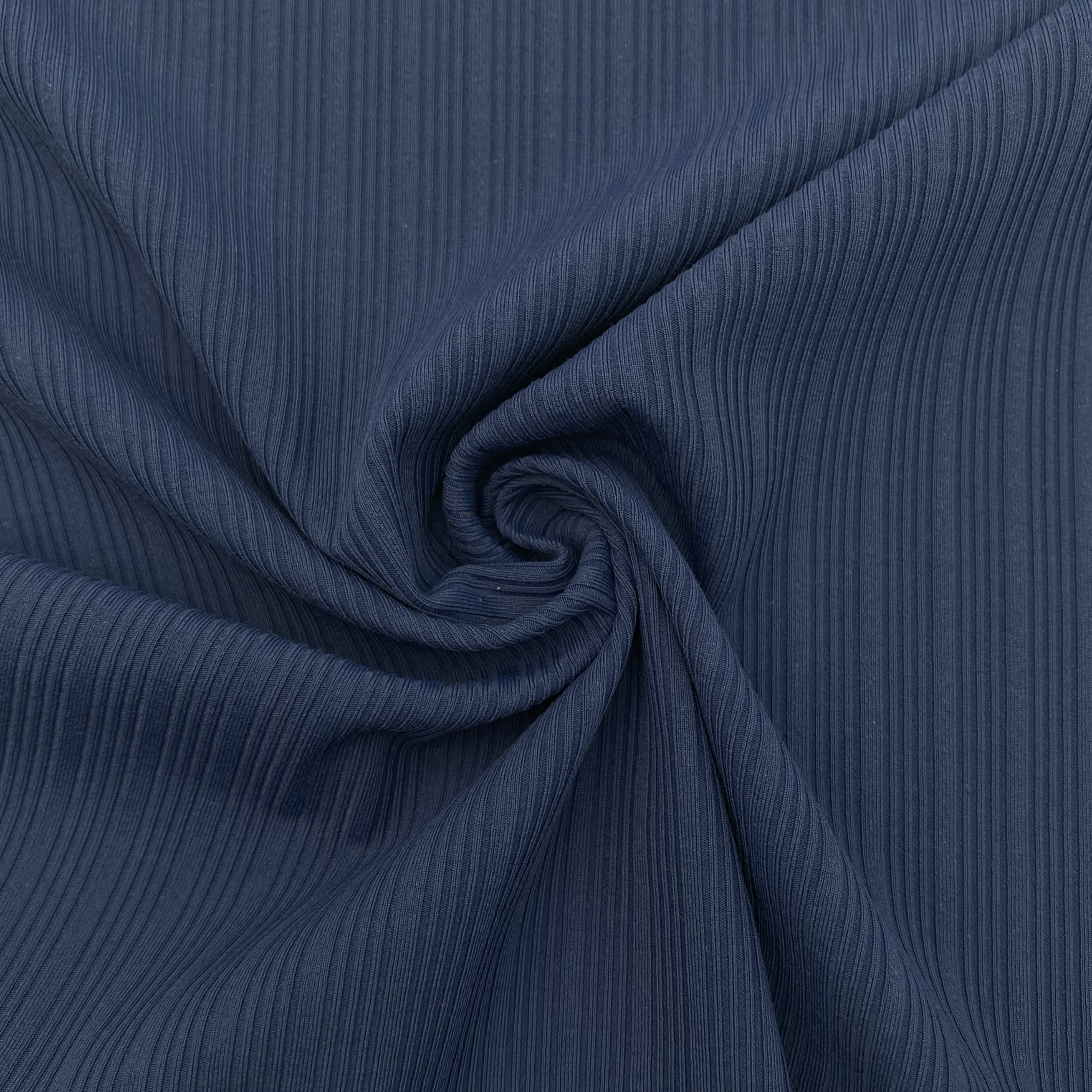
Standard woven fabric has almost no give. Two-way stretch fabric extends in one direction — usually across the grain. Four-way stretch fabric expands in all four directions: left, right, up, and down. This is achieved by incorporating elastane (also sold as spandex or Lycra) into a knit base such as nylon, polyester, or cotton. The elastane content typically ranges from 5% to 25%, with higher percentages producing greater stretch and recovery.
The key performance measure is recovery — how completely the fabric returns to its original dimensions after being stretched. High-quality 4-way stretch fabrics recover to within 2–5% of their original size even after repeated stretching. Lower-grade options may "bag out" over time, losing shape at the knees, elbows, or seat.
| Stretch Type | Direction of Stretch | Common Uses | Typical Elastane % |
|---|---|---|---|
| 2-Way Stretch | Horizontal only | T-shirts, basic jersey | 0–5% |
| 4-Way Stretch | Horizontal and vertical | Swimwear, leggings, cosplay | 8–25% |
Yes — but the risk depends heavily on the fiber content and care method. Here is how each common base fiber behaves:
To prevent shrinkage, always wash in cold water (30°C / 86°F or below), turn garments inside out, and either hang to dry or use a low-heat tumble dry setting. Ironing directly on spandex blends — even at medium heat — can permanently damage the elastic fibers.
For most cosplay applications, 4-way stretch is significantly better than 2-way stretch. The reason is practical: cosplay costumes must fit a wide range of body shapes, often need to be put on and taken off repeatedly, and frequently include form-fitting bodysuits, catsuits, or armored panels that must move naturally during wear and performance.
Two-way stretch only gives horizontally, which means vertical movement — bending knees, raising arms, crouching — creates tension in the fabric and stress on seams. This leads to torn stitching, distorted panels, and visible pulling across the costume. Four-way stretch fabric eliminates these problems by accommodating movement in every direction.
Specific cosplay scenarios where 4-way stretch excels:
The only scenario where 4-way stretch may not be preferred is structured costume pieces — corsets, tailored jackets, or historical garments — where stability and minimal give are design requirements.
Yes — for any seam that must flex during wear, you should stretch the fabric slightly as you sew. This is called "sewing with ease" or using a stretch stitch, and it prevents the most common failure mode in stretch garments: popped seams.
If you sew a straight stitch on 4-way stretch fabric without stretching the fabric, the thread forms a rigid line. When the wearer moves and the fabric stretches, the thread cannot extend with it and snaps. A seam sewn with even mild tension on both layers — typically 10–15% stretch while feeding through the machine — allows the stitching to extend with the fabric before breaking.
Not all 4-way stretch fabrics perform equally. The right choice depends on the end use, required opacity, and expected stress levels. Here is a practical guide:
| Fabric Type | Best For | Key Properties |
|---|---|---|
| Nylon/Spandex (80/20) | Swimwear, dancewear | Chlorine-resistant, fast-drying, smooth surface |
| Polyester/Spandex (88/12) | Activewear, leggings | Moisture-wicking, colorfast, durable |
| Cotton/Spandex (95/5) | Casual wear, fitted tees | Breathable, soft, slight shrink risk |
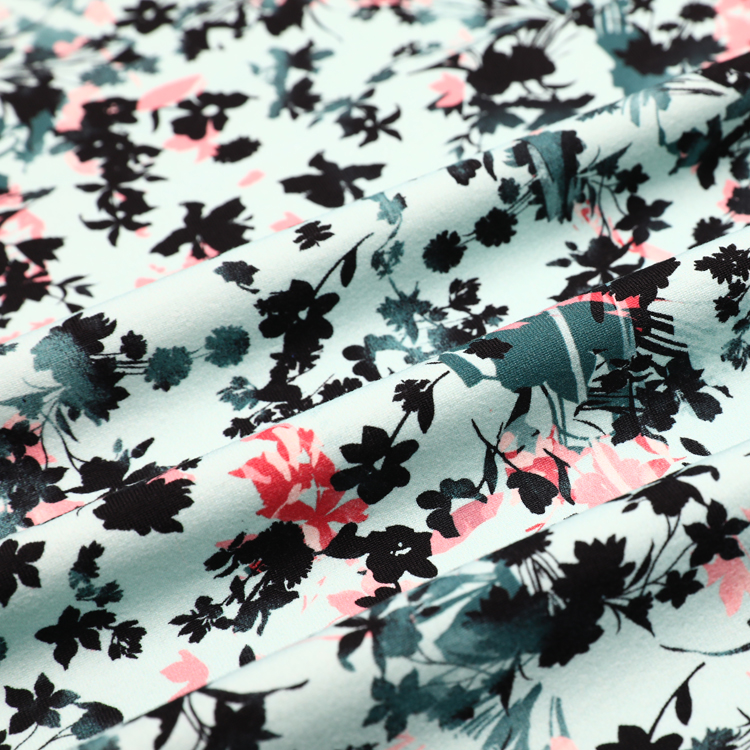
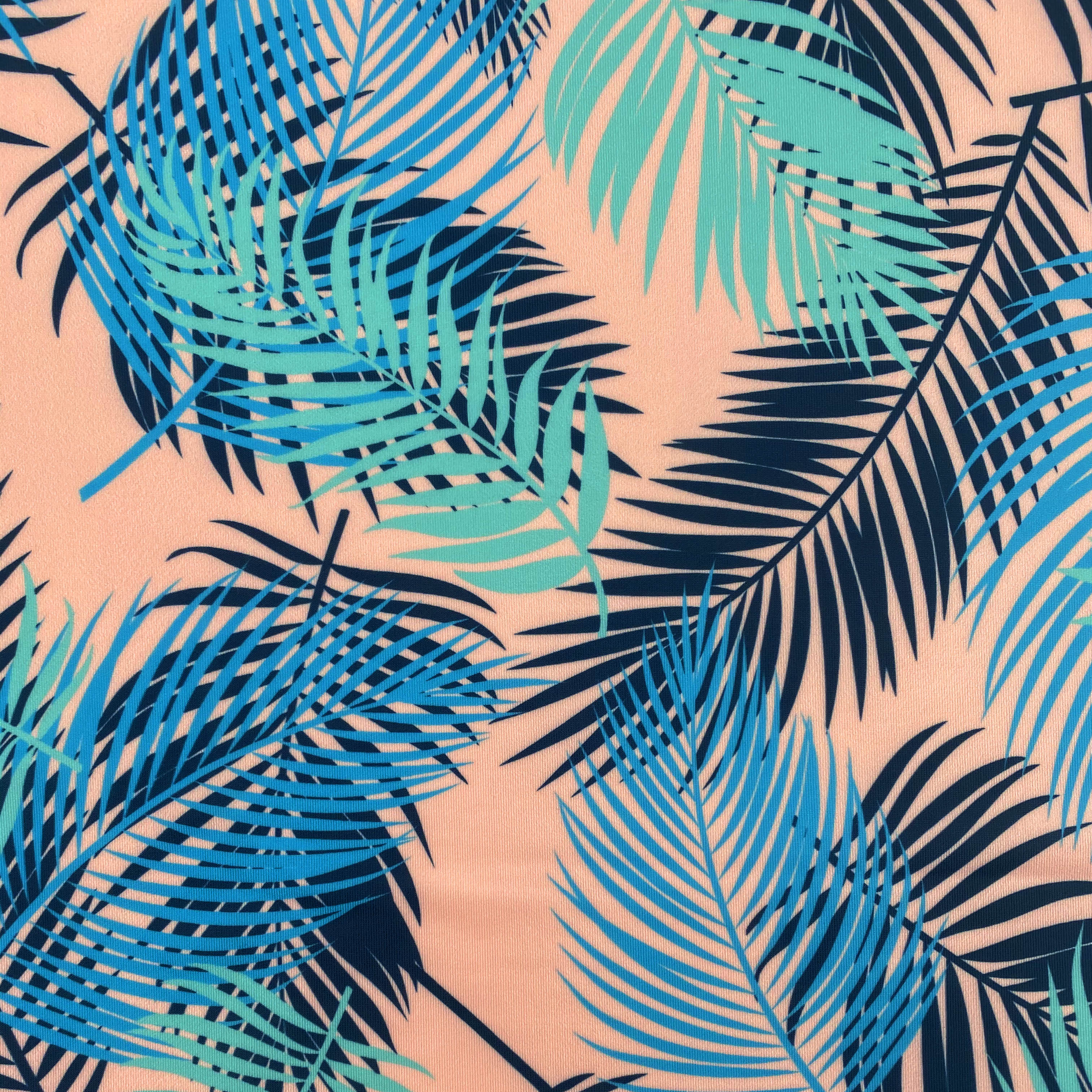
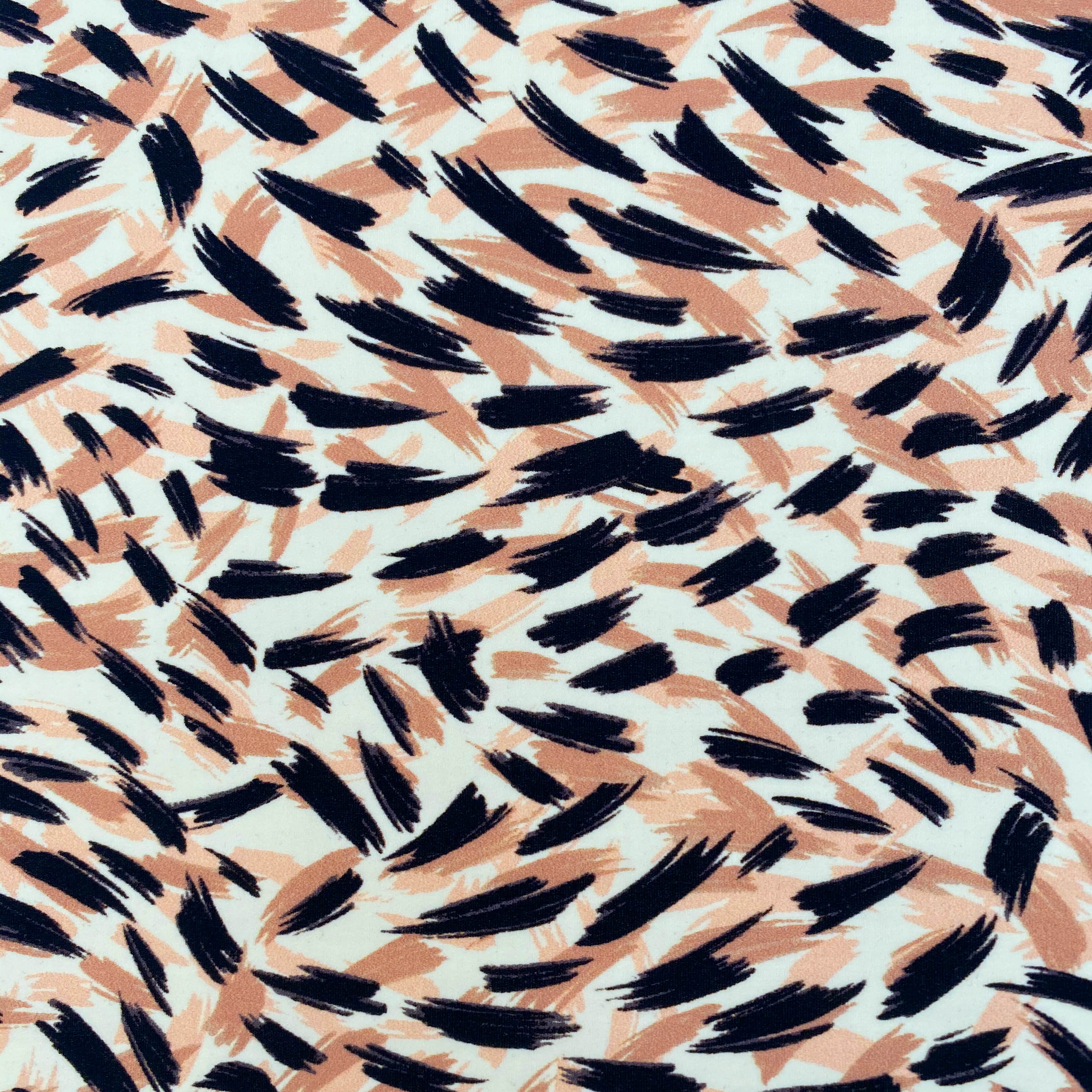
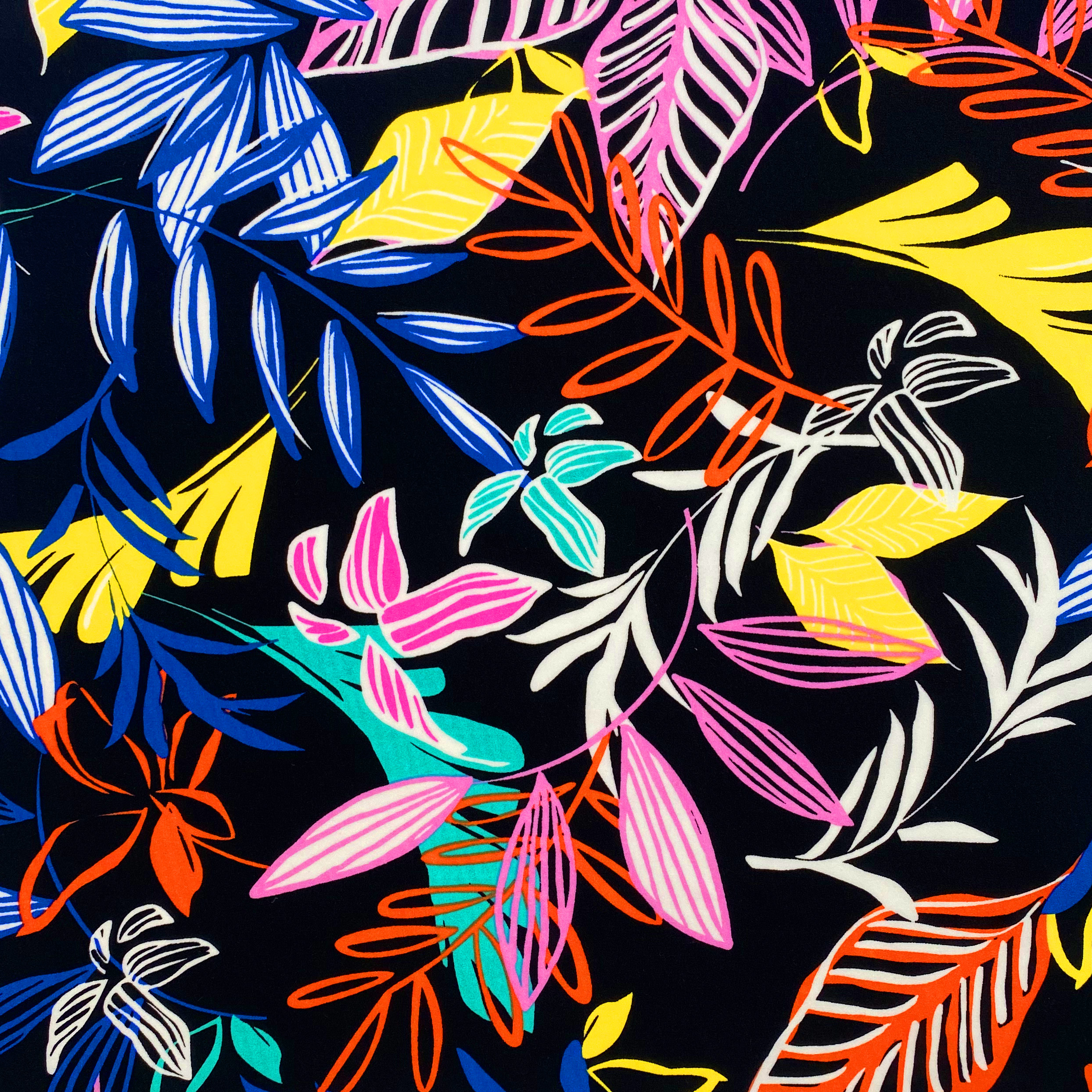
| Printed Lycra | Cosplay, performance | High opacity, vibrant prints, full 4-way recovery |
| Velvet Spandex | Costume, fashion | Rich texture, moderate stretch, elegant finish |
When purchasing, always check the stretch percentage in both directions before cutting. A simple test: cut a 10cm swatch and pull it to measure how far it extends before resistance builds. A quality 4-way stretch fabric should reach at least 150% of its original length in both directions without distorting.

As Yitai, since 2004, we have manufactured sportswear knitted fabrics such as interlock fabric, nylon fabric, spandex fabric, polyester fabric etc. With excellent R&D group, marketing team, quality control system, experienced dyeing & finishing supporting facility and customer service system.
Haining Yitai Knitting Co., Ltd
No. 198 Canghai Road, Warp Knitting Zone, Haining City, Zhejiang, 314419, China Tel: +0086 135 6738 5757 Email: [email protected] [email protected] [email protected]FOLLOW US




 英语
英语 中文简体
中文简体